Your new car’s paint has its own “bulletproof vest.” The factory-applied clear coat provides 30+ protection and stays tough as nails.
The dealership might push extra paint protection packages on you. The real question is whether they’re worth your money. A basic wax job only lasts 4-6 weeks, while paint sealants protect your car for 4-6 months. Ceramic coatings shield your vehicle for 2-5 years. Paint protection film (PPF) delivers impressive results lasting 5-10 years with proper installation.
Paint protection film costs between $300 and $2,500 based on coverage area. Your car’s paintwork could look fantastic with regular detailing every six to twelve months. This option might save you money.
This piece helps you see through the sales pitch and make a smart choice that saves money long-term. Let’s protect your new car’s paint without emptying your wallet!
Why Protecting New Car Paint Matters
That showroom shine on your new car won’t stick around forever. The glossy finish making people turn their heads today will face tough battles against countless enemies right from the start. Modern automotive paint is thinner than before because of environmental rules, which makes it much easier to scratch and fade. Let me show you why protecting your car’s paint really matters.
How paint degrades over time
Your car’s paint isn’t just one layer – it’s a complex system that protects the metal underneath. This system has a primer layer (which sticks to metal and fights rust), a base coat (which gives color), and a clear coat (which shields everything below).
This protective shield gets weaker as time passes. The clear coat starts breaking down through oxidation. This chemical reaction happens when paint molecules mix with oxygen in the air, which steals the paint’s shine, dries out the surface, and makes colors fade.
What happens next isn’t pretty:
- Red turns into pink
- Black loses its deep look
- Bright blue becomes dull pastel
- The surface looks chalky and hazy
Changes in temperature speed up this damage. Your car’s paint expands in hot sun and shrinks in cool shade. These temperature swings stress the paint layers and create tiny breaks called micro-cracks. Once these cracks appear, moisture and dirt can get under the surface and cause deeper damage.
Common threats to new car paint
Your car’s paint faces many dangers from day one:
Acidic Attacks: Bird droppings, dead bugs, and tree sap pack highly acidic compounds that eat through clear coat quickly, especially in hot weather. These substances don’t just sit there – they bond with your paint and etch into it.
Environmental Exposure: Sunlight’s UV rays break down paint’s chemical bonds, which leads to oxidation and fading. Acid rain carries sulfuric and nitric acids that slowly eat away your paint’s protective layers.
Road Hazards: Winter road salt and de-icing chemicals can rust your car fast, especially in wheel wells and lower panels.
Chemical Contaminants: Spills like gas, brake fluid, and even coffee can dissolve clear coat right away. Air pollution can settle on your paint and leave tiny scratches when you wipe it off wrong.
Neglect: Bad washing habits rank among the top causes of paint damage. Rough cloths, hard brushes, or strong chemicals leave swirl marks and speed up wear.
Is paint protection worth it on a new car?
You bet it is. Paint protection isn’t just about looks – it’s about keeping your investment safe. Here’s why:
- Factory Paint Isn’t Invincible: Factory paint is tough but still needs extra protection against nature’s threats.
- Immediate Exposure: Your car faces damaging elements right away – early protection stops damage from building up.
- Financial Sense: Protecting your paint now saves big money on repainting or detailed work later. Paint protection costs way less than fixing damaged paint.
- Resale Value Protection: A car with great paint attracts more buyers. After a year of driving, parts with paint protection film won’t show any rock chips, unlike areas without protection.
Some experts say modern cars have “rock-hard” clear coats that work well enough. All the same, looking at how many things try to damage your paint, extra protection gives you a valuable shield against wear and tear.
Paint protection works like health insurance for your car’s exterior – a small investment now prevents big headaches later. Just as you wouldn’t wait to get sick before buying health coverage, don’t wait for paint damage before you think about protection.
Understanding the Main Types of Paint Protection
Picking the right paint protection for your new car is like choosing the perfect outfit for different weather conditions. Some options work great for quick trips, while others get you ready for longer journeys. Let’s get into each option to help you make a smart choice.
Wax: The traditional option
Car wax remains a trusted paint protection method for decades. It works like a light jacket on a cool day and provides simple protection with a beautiful finish. Traditional car waxes contain carnauba from Brazil’s carnauba palm trees. These trees create this substance on their leaves to defend against harmful UV rays.
Wax creates a distinctive “warm glow” that gives your vehicle a deep, rich shine. Synthetic alternatives struggle to match this classic finish. This explains why many car enthusiasts still prefer wax despite newer options in the market.
Your car’s paint gets a protective shield from minor environmental threats with car wax. The protection comes with a downside – it doesn’t last long. Most waxes need reapplication every 1-2 months to stay effective. The wax repels water and adds shine but offers little protection against scratches and rock chips.
Sealants: Longer-lasting than wax
Paint sealants take protection up a notch. These synthetic products made from polymers bond with your car’s paint, much like upgrading from a light jacket to a weather-resistant coat.
Durability stands out as the biggest advantage. Sealants protect your vehicle for 4-6 months before needing reapplication, nowhere near the monthly maintenance wax requires. This extended lifespan suits drivers who prefer less frequent upkeep.
A slick barrier against environmental contaminants makes sealants shine. They protect better against UV rays than waxes and handle harsh weather conditions well. The practical benefits of longevity and protection often outweigh the warmer, deeper shine that carnauba wax provides.
Ceramic coatings: Advanced protection
Ceramic coatings serve as the high-tech raincoat in paint protection. These liquid polymers create a semi-permanent protective layer by bonding chemically with your vehicle’s paint. Silicon dioxide (SiO2) forms an incredibly hard surface after curing.
The benefits stand out:
- Protection lasts 2-5 years with proper care
- Superior chemical and UV resistance
- Enhanced hydrophobic properties make cleaning easier
- Better gloss and depth for your paint
Ceramic coatings blend with your paint instead of sitting on top like waxes and sealants. This creates a stronger bond and explains why they last so long. Professional application works best for ceramic coatings, and their long-term value often makes up for the upfront cost.
Paint protection film (PPF): Physical barrier
Paint protection film acts as body armor for your car, taking protection beyond what ceramic coating offers. This thermoplastic urethane film, often called clear bra, guards against real-life hazards.
PPF differs from other protection methods because it absorbs impacts rather than just fighting off chemicals. The film blocks rock chips, bug splatter, minor abrasions, and road debris. Modern PPF products look crystal clear and blend perfectly when installed by professionals.
Quality PPF comes with an impressive self-healing feature. The top layer fixes itself after scuffs or scratches, especially with heat exposure. This remarkable quality helps maintain clarity for years.
Professional-grade PPF lasts 5-10 years, making it the most durable choice available. Most people apply it to high-impact areas like the front bumper, hood, and fenders, but full vehicle coverage provides complete protection.
Your budget, driving habits, and how long you plan to keep your car will determine the best protection type. Each option brings unique benefits, whether you want quick application, lasting results, or the best physical protection.
How Long Each Protection Method Lasts
Your car’s paint protection starts losing effectiveness the moment you apply it. Each method lasts for different periods, just like kitchen appliances come with different warranty periods. Let’s look at how long each option works and what makes them last longer or shorter.
Wax: 1–2 months
Car enthusiasts love the classic warm, deep shine that traditional carnauba wax creates, but it doesn’t last very long. Most natural carnauba waxes last between 4–8 weeks before you need to apply them again. Spray waxes last even less time, usually just 2-4 weeks.
Synthetic waxes do a better job by offering:
- Protection that lasts longer than natural options
- Better defense against heat and detergents
- A typical lifespan of 6-8 weeks
Your wax job’s lifespan depends on several things:
- Elements exposure (cars kept in garages keep their wax longer)
- How often and how you wash your car
- Weather conditions (heat makes wax break down faster)
You’ll know it’s time to wax again when water stops beading on your paint. Think of wax like sunscreen – it works well but needs frequent reapplication to keep protecting your car.
Sealants: 4–6 months
Paint sealants last much longer than wax. These synthetic polymer products usually protect your paint for 3-6 months, so you only need to reapply them about four times a year. Some high-end sealants can protect your car for up to 12 months.
Sealants last longer because of their chemical makeup. They create stronger bonds with your car’s paint than natural waxes do. It’s like comparing super glue to school paste – both stick, but one clearly lasts longer.
Many new car owners pick sealants over wax. A good way to maintain protection is to reapply your sealant once every season.
Ceramic coatings: 2–5 years
Ceramic coatings protect your car way longer than other methods. These silicon dioxide-based formulas create a semi-permanent shield by bonding with your paint at the molecular level. A professionally applied ceramic coating lasts 2-5 years, which beats traditional waxes and sealants by a lot.
The coating’s lifespan depends on its quality and how it’s applied:
- Professional-grade products last longer than consumer ones
- Multiple layers make it more durable
- Professional installation usually works better than DIY
Different types last for different periods:
- Spray ceramic sealants: 6-12 months
- DIY ceramic coatings: 1-2 years
- Professional ceramic coatings: 2-7 years
Your ceramic coating needs proper care to last as long as possible. Regular washes with pH-balanced soaps and occasional deep cleaning help maintain the coating’s protective properties.
PPF: 5–10 years
Paint Protection Film (PPF) is the longest-lasting paint protection you can get. Premium PPF products can shield your vehicle for 5-10 years, which explains why many car owners think the higher upfront cost is worth it.
How long PPF lasts depends on:
- Installation quality (you need professional installation)
- Weather conditions
- How well you maintain it
- Film quality
High-quality PPF keeps its clarity and protective properties throughout its life. These films can even heal minor scratches when exposed to heat, which helps them look good and work well for years.
Most manufacturers say professional installation is the way to go. A premium PPF from a good brand, installed properly, can protect your car for about 7-10 years. That’s the best long-term value compared to other options.
Note that your driving habits, local environment, and maintenance routine affect how long any paint protection lasts. Following the manufacturer’s guidelines helps you get the most out of whatever protection method you choose.
How to Choose the Best Paint Protection for Your Car
You need to balance several factors to find the right paint protection for your car. Think of it like choosing the right clothes for the weather – your car’s protection should match your specific needs. Let me show you how to make this choice simple.
Think about your driving habits
The way you drive plays a vital role in choosing the right level of protection. People who drive a lot see paint damage from everyday wear and tear much sooner than weekend drivers. Ask yourself these questions:
- Do you often drive on highways where rock chips are common?
- Do you love off-road driving on rough terrain?
- Do you mainly use your car to commute in the city?
Thick paint protection film (10-12 mils) becomes essential if you drive on roads with lots of pebbles and debris. The same goes if you enjoy off-roading or drive through construction zones where rocks fly around – robust protection is worth every penny.
Your daily drive on smooth city streets might need just 7-8 mils of protection. This gives you enough defense against light debris without spending too much.
Check your local climate
Weather conditions where you live will affect your choice of protection method. Cars near coastal regions face harsh elements like ocean salt spray that speeds up corrosion. Experts say these environments need thicker films, around 10-12 mils, to create a strong barrier against salt and other corrosive elements.
Cars in snowy areas often deal with road salt and sand. These materials can really wear down unprotected surfaces, so thicker protection makes sense.
Cars in polluted or industrial areas face a different challenge – airborne contaminants like acid rain that harm paint quality. A stronger protective barrier shields your paint from immediate damage and helps maintain its resale value.
People living in mild climates often tell us their paint protection lasts longer than those dealing with harsh weather.
Pick protection that fits your budget
Money often decides what kind of paint protection you choose. Here are your options:
- Limited Budget: Spray-on sealants or DIY ceramic coatings protect against UV rays and light scratches
- Mid-Range Budget: Professional waxing or paint sealants that last 4-6 months
- Higher Budget: Professional-grade ceramic coatings or partial PPF coverage
- Premium Budget: Full vehicle PPF with ceramic coating on top
Think about long-term savings when looking at initial costs. Quality protection helps you avoid big repair bills later. Plus, cars with PPF tend to sell for more.
Full car protection makes financial sense if you have a high-end vehicle. A front-end protective wrap covering high-impact zones works well for newer but not luxury vehicles.
Should I get paint protection on my new car?
Yes! Paint protection works best on new cars because the main goal is to keep what’s underneath looking perfect. Protection makes a big difference for new vehicles, luxury cars, vintage collectors, or even newer used cars in great shape.
Paint protection might not be worth it if you bought a used car with front-end damage from highway rocks. Protective wraps won’t improve how your car looks.
The best approach matches protection to your specific needs instead of following general advice. Your new car deserves protection that fits how you drive, where you live, and what you can spend – this gives you peace of mind and keeps your investment looking great for years.
Step-by-Step: Applying Paint Protection at Home
You don’t always need a professional appointment to protect your new car’s paint. The right supplies and techniques can help you achieve impressive results at home. Let’s get started and head over to the DIY approach that preserves your car’s showroom finish.
Wash and prep the surface
A clean canvas makes all the difference in paint protection effectiveness. Your car needs proper prep before applying protective products, just like you wouldn’t put sunscreen on dirty skin.
Here are the items you’ll need:
- Car-specific pH-balanced soap
- Clean microfiber wash mitts
- Fresh water supply
- Clay bar kit
- Isopropyl alcohol solution (50/50 mix with water)
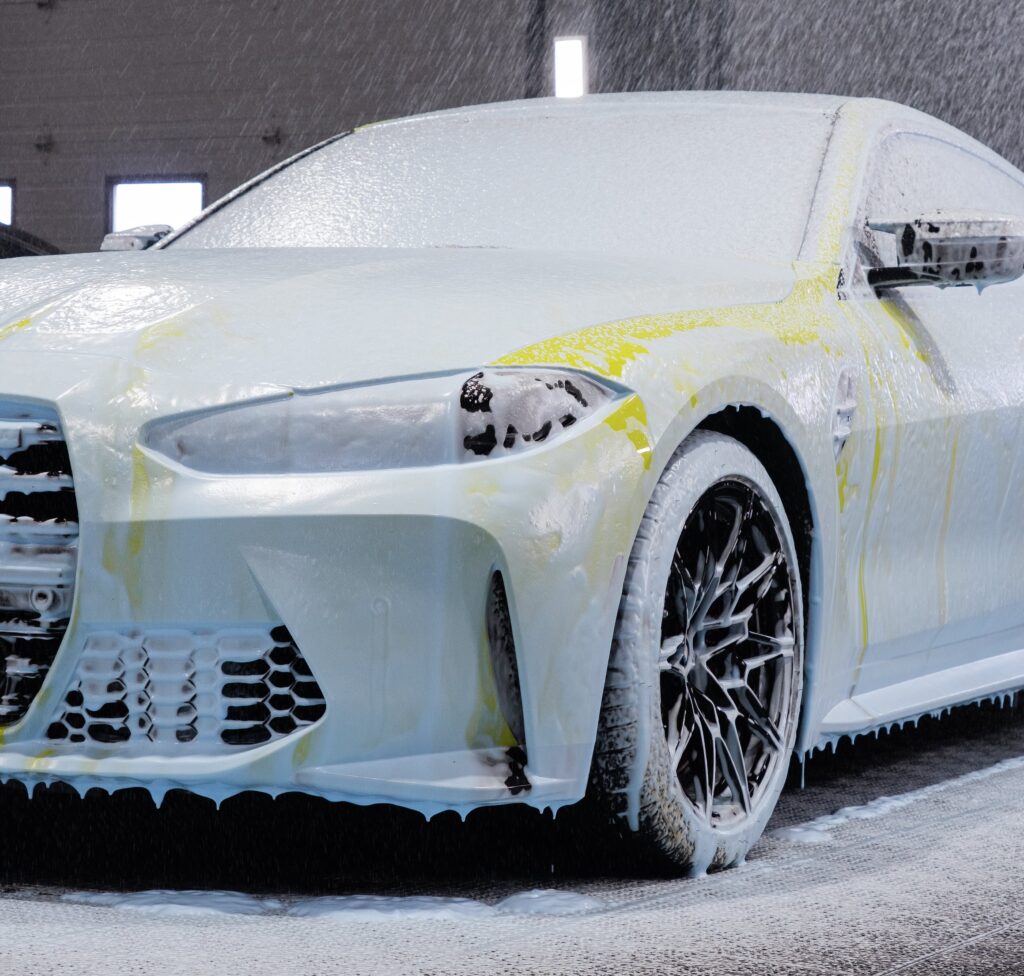
Start with a thorough wash using automotive-specific soap, ordinary dish detergents can strip existing protection. Work from top to bottom so you don’t drag dirt across clean areas. The quickest way to get best results is the two-bucket method, one for soapy water and another for rinsing your mitt.
Use premium microfiber towels to dry the vehicle completely after cleaning. This stops water spots from damaging your finish. A clay bar removes embedded contaminants that washing alone can’t eliminate, giving you exceptional results. This step prepares your paint surface before protection.
A final isopropyl alcohol wipedown (paint prep) removes leftover oils and waxes. This step creates the best bonding conditions for your next layer of protection.
Apply wax or sealant
Your application technique matters just as much as the product choice. Both waxes and sealants work better with less product.
Get these materials ready:
- Clean applicator pad (foam or microfiber)
- Your chosen wax or sealant
- Fresh microfiber towels for removal
Put a dime-sized amount of product on your applicator. Work in 2′ × 2′ sections so the product doesn’t dry too fast. Use gentle pressure and overlapping circular motions to create a thin, even coat.
Waxes and sealants have one key difference: sealants need more bonding time, often up to 12 hours. Apply sealants in a controlled space away from direct sunlight or extreme temperatures.
Each product’s instructions matter, brands have different requirements for application and removal times. If you’re not sure which product to pick, use one brand since their products usually work well together.
Use microfiber towels for buffing
Your results depend on the quality of your microfiber towels. Premium towels protect against scratches while removing product residue.
Pick towels with at least 300 GSM (grams per square meter) for buffing. These higher GSM towels offer better protection for delicate surfaces. The best towels feel soft and plush between your fingers.
Most waxes need about 20 minutes to cure. Then, buff the surface gently with a clean, high-quality microfiber towel. Use light pressure and keep turning the towel to work with a clean surface.
Wash new microfiber towels before use to remove manufacturing residues. Don’t use fabric softeners, they coat fibers and reduce absorbency and effectiveness. Keep your towels in a clean, dust-free spot to avoid contamination.
When to consider professional help
DIY isn’t always your best option, especially with advanced protection methods. Professional help makes sense if:
- You plan to apply ceramic coatings or PPF. These need precise application techniques and controlled environments.
- Your vehicle has curved or complex surfaces. PPF installation on large or curved panels challenges beginners.
- You want warranty protection. Professional installations include warranty coverage that DIY applications don’t.
- Your car faces harsh conditions. Expert precision and professional-grade products protect vehicles exposed to extreme elements better.
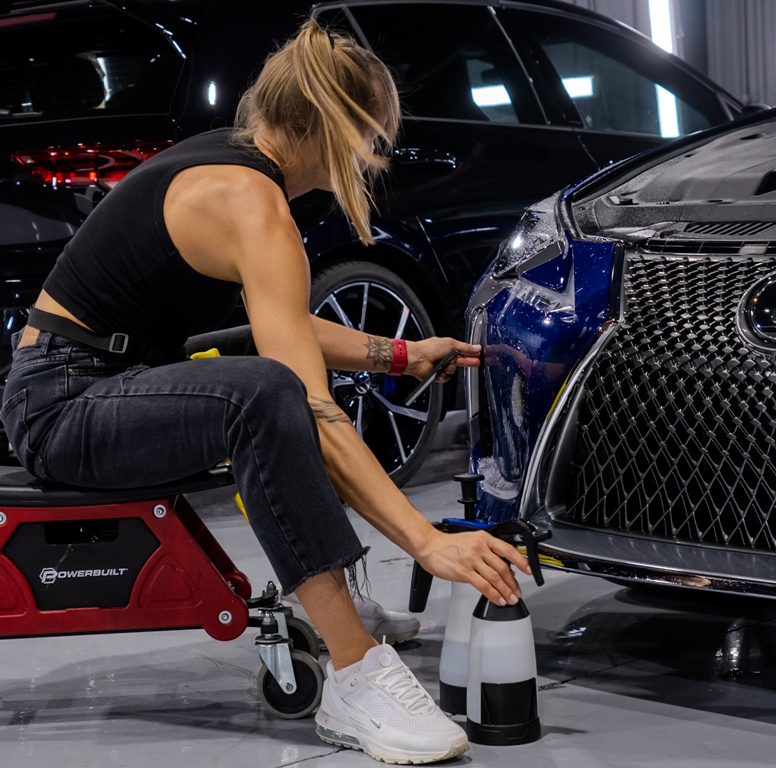
DIY enthusiasts who want to try PPF installation should start with small areas like headlights or mirrors before tackling larger panels. Use isopropyl alcohol to prep surfaces and apply slowly, squeegeeing from the center outward.
Traditional waxes and sealants work fine with DIY application. Regular maintenance beats perfect application, a decent wax job you keep up with protects better than waiting too long between perfect applications.

When to Choose Professional PPF Installation
Most car owners should leave PPF installation to professionals. DIY kits rarely match the results of expert installation because the process needs special training and equipment.
Benefits of professional PPF
Professional installation gives you several advantages that make it a smart investment for your new car:
- Expert precision – Skilled specialists know vehicle contours and can handle complex curves, corners, and edges easily
- High-quality materials – Professionals use premium films with advanced features like self-healing properties and better UV protection (up to 99% shielding)
- Time efficiency – A job that takes you 10+ hours needs only 3-4 hours when done by experts
- Superior finish – Expert application reduces the risk of bubbles, wrinkles, or misalignments
- Warranty protection – You get 7-10 year warranties against yellowing, bubbling, and peeling with most professional installations
Quality installation makes a big difference in how long your PPF lasts. A properly installed PPF usually lasts 5-10 years, much longer than DIY applications.
What to expect during installation
Professional installers follow several important steps:
Your vehicle needs a complete cleaning to remove all contaminants. Small dirt particles can affect how well the film sticks and reduce its effectiveness.
Installers then use computer-cut templates made for your specific vehicle model or hand-trim film for exact fitting. This careful cutting creates custom pieces that fit your car’s unique contours.
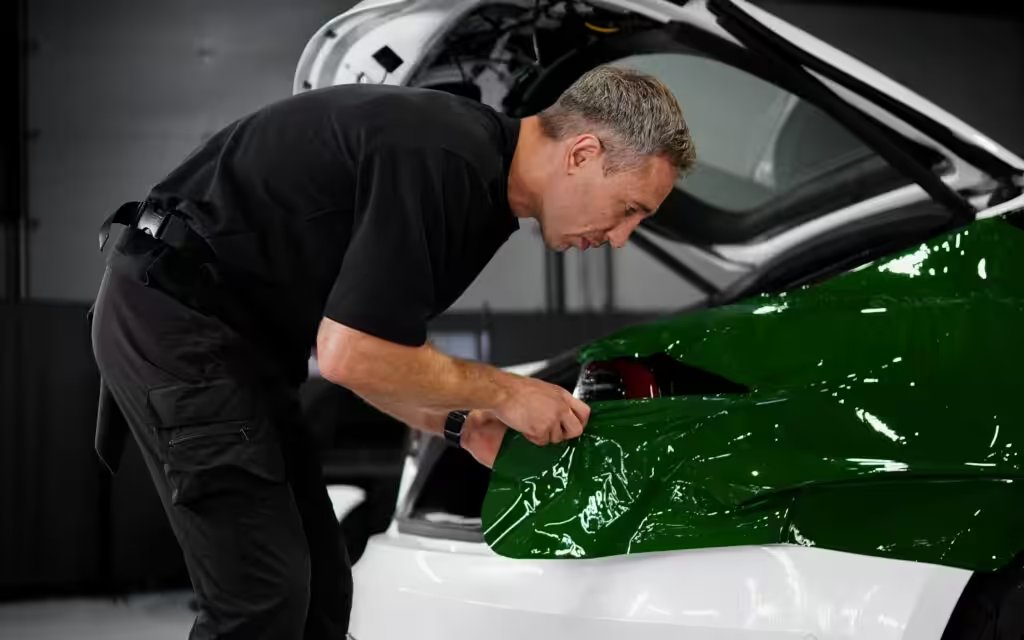
The film goes on using special techniques like “tack and slip” solutions. This helps position everything correctly before final adhesion. Heat guns and squeegees help stretch the film properly, which removes air bubbles and creates perfect adhesion.
Simple PPF jobs take 1-2 days while complete coverage needs 3-5 days.
ID Protection PPF services
ID Protection stands out by offering specialized PPF installation services for both full and partial PPF installation. They provide:
- Full and partial PPF installations
- Interior PPF protection
- Colored PPF options
- Tesla PPF
- PPF training
Their work starts with careful preparation using computer-cut templates that match your vehicle’s contours perfectly. The PPF becomes almost invisible after application and can repair minor scratches through self-healing properties.
Toronto drivers looking for professional paint protection can count on ID Protection’s quality results backed by a 10-year warranty against yellowing, bubbling, and cracking.
Maintaining Your Car’s Paint Protection
Quality paint protection isn’t a “set it and forget it” solution. Your maintenance routine determines whether you’ll get a short-lived shine or years of glossy protection.
Washing tips to avoid damage
The right washing technique keeps your protection intact. Use soft, clean microfiber mitts that trap dirt rather than dragging it across your finish. Start with the roof and work your way down to lower panels since they collect more abrasive grime.
Drying techniques matter just as much. Plush microfiber towels should pat the surface dry instead of rubbing it. This prevents tiny scratches from forming even through protection layers.
How often to reapply protection
Your choice of protection determines the reapplication schedule:
- Wax needs a fresh coat every 4-8 weeks
- Sealants last 3-6 months typically
- Ceramic coatings need maintenance products every 3-4 months
- PPF doesn’t need reapplication but requires regular cleaning
A simple water bead test helps with wax and sealants. Time for a new application comes when water stops forming tight beads and spreads across the surface instead.
Avoiding automatic car washes
Spinning brushes at automatic car washes destroy paint protection. These brushes become abrasive scrubbers that create microscopic swirl marks by collecting dirt from countless vehicles.
Touchless washes might seem safer but their harsh chemicals can break down protective coatings gradually.
Using pH-balanced soaps
Dish soap damages automotive finishes by stripping away protective coatings. pH-balanced car shampoos made specifically for vehicles work better.
These specialized cleaners do their job without removing your protective layer. Products labeled “wax-safe” or “coating-safe” match your protection type best.
Quick-application spray maintenance products help after washing. They boost water repellency and extend your base protection’s life between major reapplications.
Note that good maintenance habits protect your car’s showroom shine effectively.
Cost vs Value: Is Paint Protection Worth It?
Money talks about car paint protection. Let me break down what it’s actually saying.
Upfront cost vs long-term savings
Quality PPF installation isn’t cheap, prices range from $1,500 to $5,500. That’s serious money. A single paint repair job runs between $300 and $1,500. These expenses add up quickly after a few incidents.
Paint protection works like insurance for your car’s exterior. The original investment builds a shield against daily hazards that damage your vehicle’s looks. Cars with PPF show 50% fewer paint-related issues after five years.
Effect on resale value
Your investment pays off at selling time. Cars with PPF hold onto 15% more value compared to unprotected ones. Some cars even bring 20% higher returns at resale.
Buyers gladly pay more for flawless paintwork. PPF-protected vehicles also sell 20% faster.
Avoiding repairs that get pricey
Minor paint flaws can drop your car’s value by 10-20%. Damage sets off a chain of deterioration once it starts.
PPF shields against these costs and can reduce lifetime paint repair expenses by 80%. The math makes sense, pay once now or keep paying later.
Conclusion
Paint protection does more than keep your car looking good, it’s a smart money move that pays off down the line. Your vehicle takes a beating every day from bird droppings to UV rays that work together to destroy that showroom shine.
The best paint protection choice depends on your needs. Waxes give you that classic warm glow but you’ll need to apply them often. Sealants work longer and build a slick barrier against dirt. Ceramic coatings protect for years with little upkeep. PPF gives you the ultimate shield, especially on areas that take the most damage.
Your driving style, local climate, and budget all matter in this choice. Highway drivers see more rock chips than city drivers do. Cars near the coast fight salt spray constantly. Your protection should match these ground conditions.
Quality paint protection costs money upfront, but the numbers work in your favor over time. One professional PPF installation costs less than fixing multiple paint jobs throughout your car’s life. Cars with good paint also sell faster and bring better prices when you decide to upgrade.
You can handle wax and sealant applications yourself with great results. Ceramic coatings and PPF need professional skills and equipment to get the best results and warranty coverage.
The key lies in proper maintenance, no matter what protection you pick. Stay away from automatic car washes with harsh brushes. Use car-specific pH-balanced soaps. Stick to the reapplication schedule for your protection type.
Paint protection makes perfect sense for your new car. Today’s small steps prevent tomorrow’s big problems. Years from now, you’ll thank yourself when your car still turns heads, and your wallet isn’t empty from endless touch-ups and repairs.