Choosing between pre-cut and custom PPF is one of the most important decisions to protect your car’s paint. Paint Protection Film’s tough thermoplastic urethane material shields your vehicle from scratches, chemicals, and UV damage. Let’s explore which installation method gives you better results.
The differences between pre-cut PPF and custom installations matter. Pre-cut patterns are digitally mapped to your car’s exact make and model and stop about 0.22 cm from your vehicle’s edges to prevent lifting. Custom PPF installers hand-cut the film directly on your vehicle, which gives you nowhere near the same coverage and protection around edges and corners. Pre-cut kits save you money and time, but they leave visible edges and seams without full coverage in complex areas.
The extra cost of custom PPF makes sense for certain vehicles. Cars that demand attention benefit from hand-cut PPF’s clean edges and maximum coverage. Professional installers use advanced techniques you won’t find in off-the-shelf kits. They also back their work with warranties that cover problems like peeling, yellowing, and bubbling.
This piece helps you pick between these two protection options based on your needs, budget, and car type. ID Protection’s expert PPF installation services are a great way to get your car looking showroom-fresh for years.
Understanding Paint Protection Film (PPF)
PPF has become the go-to shield for car owners who want to keep their vehicles looking new. This technology started with military helicopters and now serves as invisible armor for cars all over the world.
What is PPF and how it works
PPF uses a thermoplastic urethane film that acts as a protective barrier between your car’s paint and environmental threats. This clear layer, 6-8 mils thick, protects painted surfaces from stone chips, bug splatters, minor scratches, and road debris that could damage your finish.
The magic of PPF lies in its multi-layered design. Quality film includes these essential layers:
- An adhesive layer that bonds to your car’s paint
- A polyurethane core layer that absorbs impacts
- A clear top coat with self-healing properties
This smart structure absorbs and spreads out the energy from impacts. Your car’s paint stays chip-free because the film flexes to absorb the force from rocks and debris. Cars with PPF show 90% less chipping than those without protection.
The Self-Healing Technology
Modern PPF’s most impressive feature is its self-healing ability. Heat from warm water, sunlight, or a heat gun makes minor scratches and swirl marks vanish. The film’s molecular structure naturally reforms with heat and returns to its original state.
Your car gets more than just physical protection. The film blocks up to 99% of harmful UV radiation that would fade and oxidize paint, which keeps your car’s color bright for years. Your clear coat stays safe from chemical damage caused by bird droppings, tree sap, and road salt.
Benefits of using PPF on new cars
New vehicles benefit from PPF protection right away. Factory paint jobs have consistent, high quality that’s hard and expensive to match at body shops. Protecting this original finish makes good financial sense.
New car owners love how PPF:
- Keeps that showroom look by stopping scratches and swirl marks
- Makes washing easier since many films repel dirt and contaminants
- Helps maintain resale value by protecting the paint
Research shows cars with PPF look new 30% longer than those without it. Your driving becomes safer too because PPF keeps headlights clear and prevents fogging or fading.
Luxury vehicle owners get peace of mind with PPF. You can enjoy driving without stress about parking lots or gravel roads. Professional PPF installations often come with 10-year warranties, making them a smart long-term investment.
Complete PPF protection costs between $5,000 and $8,000+. Partial coverage focusing on high-impact areas runs from $1,500 to $3,500. This upfront cost seems high but paint repair bills could easily cost more for extensive damage restoration.
Pre-Cut PPF Installation Explained
Pre-cut PPF installation gives you precise vehicle protection without the usual hassles of other methods. These digitally mapped patterns come ready to apply, which takes away the guesswork and speeds up installation time compared to traditional approaches.
How pre-cut patterns are generated
Digital templates created through sophisticated computer systems are the foundations of pre-cut Paint Protection Film patterns. Advanced software helps manufacturers map the exact dimensions and contours of specific vehicle makes and models. These digital blueprints serve as the basis for precisely cut film pieces.
Your vehicle’s panels match perfectly with patterns created through computer-cutting. Each pre-cut section, whether for hood, fenders, bumpers, or mirrors, fits exactly without needing much trimming. Digital precision removes human error during measurements.
XPEL and other major manufacturers keep extensive databases of vehicle specifications and update their pattern libraries as new models arrive. The pre-cut method leaves approximately 0.22 cm of space from your car’s edges, which prevents peeling or lifting issues that often happen at panel boundaries.
This digital production method gives installers substantial benefits. Professional shops say pre-cut PPF patterns cut installation time by up to 30% compared to hand-cut methods. The computer precision also leads to better installation accuracy and protection results.
Installation process overview
You’ll need these items to start your pre-cut PPF installation:
- Pre-cut PPF kit for your specific vehicle
- Installation solution (typically water with baby shampoo)
- Squeegee and spray bottle
- Microfiber cloths
- Heat gun or hair dryer
- Clean workspace
Start by washing and drying your vehicle completely. Dirt particles left behind will show up as visible imperfections under the film. The best results come from working indoors with temperatures between 50-90 degrees Fahrenheit.
The installation solution needs preparation according to manufacturer instructions. This soapy mixture lets you position the film correctly before it sticks permanently. Some professionals add alcohol drops to help the film stick faster after placement.
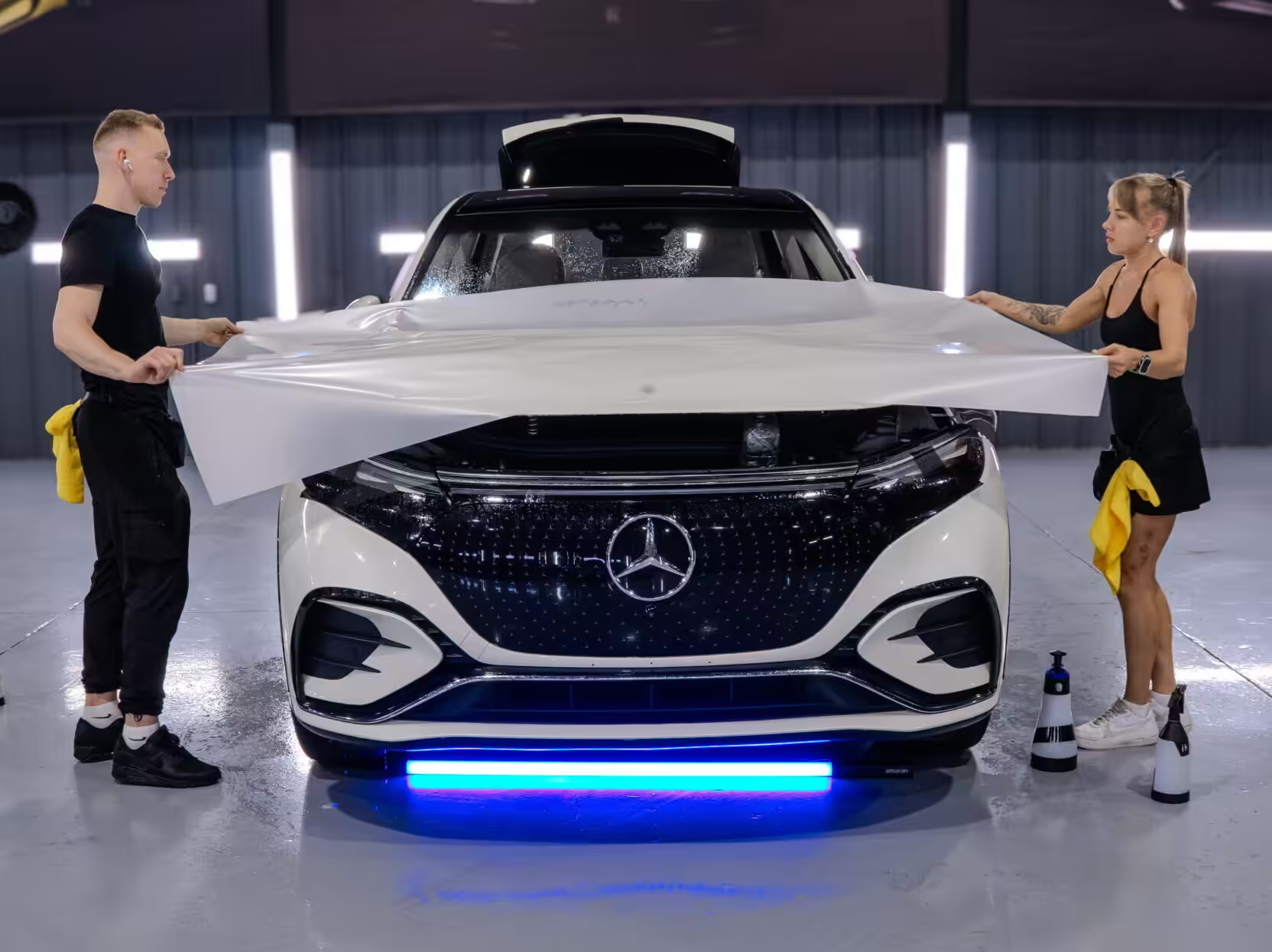
Application starts with carefully peeling the film from its backing while spraying both the adhesive side and vehicle surface with solution. Each piece needs precise positioning before using the squeegee to push out air bubbles and excess solution from the center outward. This creates a smooth finish without bubbles.
Complex curves need gentle heating with a heat gun. The film becomes more pliable and follows contoured surfaces better. A final inspection helps catch any imperfections or lifted edges that need fixing.
Common use cases for pre-cut kits
Popular vehicle models with standard body shapes work best with pre-cut PPF kits. These standardized patterns fit production vehicles perfectly when they don’t have extensive modifications.
DIY enthusiasts love pre-cut kits because they don’t need precise cutting skills. The risk of damaging your vehicle’s paint during installation drops substantially. First-time installers gain confidence knowing their final result will look professional.
High-impact areas get the most benefit from pre-cut protection. Partial coverage kits usually include front bumpers, partial hoods, fenders, and mirrors, areas that face constant road debris. Full front packages protect the complete hood and headlights too.
Pre-cut PPF gives you an available entry point to paint protection without needing advanced technical skills or special equipment.
Custom PPF Installation Explained
Custom PPF installations take a different path to protect your vehicle. Pre-cut options can’t match the precision you get when the film adapts to your vehicle’s curves and contours.
What makes custom PPF different
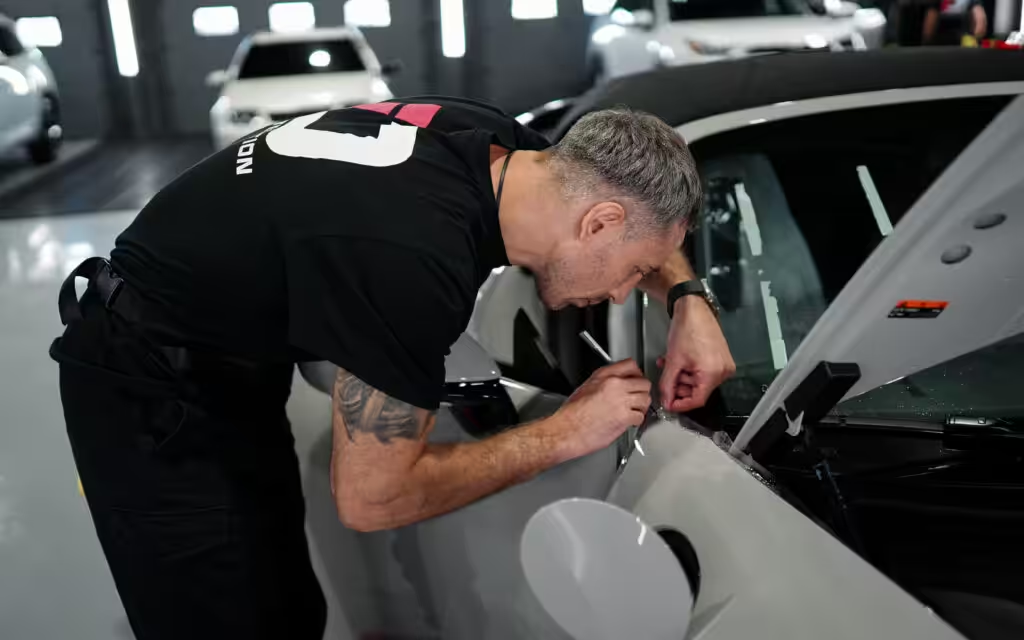
Installers hand-trim the film right on your vehicle. They work with larger sheets of film that go over panel edges and corners instead of using pre-made patterns. This hands-on work wraps edges and corners to create a cleaner look.
The biggest difference shows up in coverage. The film wraps completely around corners and edges, so no areas remain exposed to damage. Your protection becomes almost invisible – only experts can spot it. White cars and other light-colored vehicles won’t show the dark outline that often appears with pre-cut installations where dirt builds up.
There’s another reason custom PPF works better. Installers can adjust for any small changes in your specific vehicle – even past repairs that might have changed the original curves. This really helps cars with aftermarket modifications or body kits where standard templates don’t fit right.
Steps involved in custom installation
The process starts with careful prep work. Professionals clean and decontaminate your vehicle’s surfaces through several steps:
- They take apart specific panels to remove trapped dirt
- A detailed washing, clay treatment, and chemical decontamination follows
- Panels getting PPF are polished for the best surface
- A final wash and prep solution finishes the setup
The actual application comes next. Based on the panel, installers might:
- Use one sheet of film (called “bulk install”)
- Make pattern edges longer to wrap corners fully
- Take off bumpers, lights, and vents for better access
- Trim the film by hand to match each panel perfectly
This detailed work takes 30-50% longer than pre-cut installations, but you get much better protection and looks.
Complex parts like bumpers often need complete removal. Installers take out internal pieces, put on the film, then put everything back together. The result looks factory-installed.
When custom PPF is necessary
Custom PPF really shines in certain cases. Owners of high-value or rare vehicles get the best protection for their investment with hand-cut film. The expert care matches your car’s quality.
Light-colored vehicle owners should think over custom installation. Film lines show up more on lighter paint, and dirt collects along edges. Custom wrapping takes care of these looks.
Modified vehicles really need custom PPF. Pre-cut patterns won’t fit right if you’ve added aftermarket body parts, spoilers, or unique design elements. You’ll also need custom installation for protection in areas standard kits don’t cover, like extended rear quarter panels.
Vehicles with complex designs or detailed styling elements work best with custom PPF since pre-cut templates can’t capture all the details. You’ll also want custom installation for a seamless look without visible edges or seams.
Pre-Cut vs Custom PPF: Key Differences
The differences between pre-cut and custom PPF become clear when you look beyond their simple descriptions. These differences affect how the film looks on your vehicle and its protective capabilities.
Coverage: Panel edges and corners
The biggest difference between these installation methods is edge coverage. Custom PPF wraps completely around vulnerable edges and corners, which leaves no exposed paint. Pre-cut patterns stop short of edges by about 0.22 cm to prevent lifting.
A Mustang GT500 showed this difference when rocks damaged the exposed edges left by pre-cut PPF. Custom installations protect these high-impact areas by extending coverage.
Custom PPF gives you these advantages:
- Corners receive full coverage, which protects frequently damaged areas
- Edges get wrapped protection instead of exposed lines
- Door edges, trunk lips, and wheel arches have stronger bonds
The custom approach creates what experts call “virtually invisible protection.” You need trained eyes to spot the film on your vehicle. This invisible shield keeps your car’s original look while giving better protection.
Fit and finish: Seam visibility
Seam visibility marks a key difference between these methods. Pre-cut installations show noticeable film edges along panel boundaries. Custom work eliminates this issue through techniques like:
- Tucking film beneath adjoining panels (approximately 1/4 inch)
- Using heat guns to make the film more malleable around curves
- Implementing specialized trimming approaches with surgical precision
Professional installers use “tucking and wrapping” methods to avoid visible edges in custom applications. They carefully warm the film with a heat gun to stretch it around tricky edges without creases or bubbles.
Custom PPF is especially valuable for light-colored vehicles. Dark outlines where dirt collects along pre-cut installation edges show up more on white and light-colored cars. Custom installation solves this esthetic issue.
Adaptability to vehicle modifications
Your car’s modifications or unique features make the difference between these methods more obvious. Pre-cut patterns work well for stock vehicles but have trouble with:
- Aftermarket body kits and spoilers
- Custom paint jobs with slightly altered contours
- Repaired areas where original curves might have changed
Think of it like buying a suit off the rack versus having one custom-tailored. Pre-made options work fine for standard body types. But if you have unusual proportions (or in this case, vehicle modifications), only custom work will fit correctly.
Custom PPF lets installers make strategic relief cuts wherever needed for your specific vehicle. These relief cuts (like darts in clothing) help the film conform perfectly to complex shapes without bubbling or incorrect stretching.
Cost and Time Comparison
Your choice between pre-cut and custom PPF depends on two things: time and money. Both options shield your vehicle, but they’re quite different in these vital aspects.
Installation time: Pre-cut vs custom
The numbers tell a clear story about pre-cut and custom PPF. Pre-cut PPF installation takes about 3-6 hours. This speed comes from ready-to-apply templates that skip the measuring and cutting steps.
Custom PPF installations need more patience. A complete job takes 1-3 days, and full vehicle coverage might stretch to 5 days. Several steps make this process longer:
- Complete vehicle disassembly to access panels better
- Hand-trimming film to match vehicle dimensions
- Careful wrapping around edges and complex curves
Pre-cut kits are the quickest way to protect your car without extended downtime. Time equals money, and this difference shows clearly between these two methods.
Upfront cost vs long-term value
First-time buyers often get surprised by the price difference. Pre-cut kits cost less upfront because of standardized production and faster installation. Budget-conscious owners looking for quick protection find this appealing.
Custom installations cost 15-30% more than pre-cut options. This price reflects:
- More labor hours
- Installers’ higher skill level
- Full edge coverage and better protection
The long-term picture looks different though. Custom PPF delivers better value through improved durability and edge protection. The cost of repainting or fixing paint damage from rock chips and scratches makes even premium PPF installations worth it over time.
Hidden costs of DIY mistakes
DIY PPF kits priced between $50-$500 look tempting. These savings disappear fast when things go wrong. Common DIY problems include:
- Air bubbles under the film that get worse
- Paint damage from incorrect cutting
- Edges lifting due to poor sealing
DIY installations need extra tools costing $100-$200. This pushes your total investment to $300-$500 before any mistakes happen.
Time becomes the biggest hidden cost. New DIY installers spend a full day or more compared to 4-8 hours for professionals. Mistakes might force you to seek professional help anyway, making you pay twice.
High-value vehicles face an extra risk. DIY installation mistakes can reduce your car’s value. Professional installers bring unique experience that protects both your vehicle and investment.
Professional installations give you peace of mind that DIY just can’t match. Looking at everything – time, materials, potential mistakes, and protection – professional installation makes more sense financially, even with higher upfront costs.
Durability and Maintenance
Your vehicle investment depends on Paint Protection Film durability, whatever installation method you choose. The way you install it determines how long your protection lasts and how well it works.
Edge lifting and peeling risks
Problems usually start at the PPF edges. Custom PPF installations lower the risk of edge lifting by extending protection around curves and corners. Professional custom installers pay special attention to these vulnerable areas. They heat and seal edges properly to prevent early failure.
Pre-cut PPF success depends on exact arrangement. Templates that don’t match your vehicle’s dimensions perfectly can create small gaps or overlaps. These issues might hurt long-term performance. These small misalignments let contaminants get in.
Several things speed up edge lifting in both types:
- Exposure to extreme temperatures
- Improper washing techniques
- Insufficient edge sealing during installation
- High-friction areas (door handles, mirrors, bumpers)
Skilled installers use advanced edge-sealing methods for both types. Custom PPF gives better edge protection through complete wrapping techniques.
Impact resistance and longevity
Pre-cut and custom PPF both protect against physical damage, but installation quality affects how well they work. Custom PPF protects contoured areas better where impacts happen often.
Film longevity depends on several things beyond installation:
- Quality of the film itself – Premium films last much longer
- Professional installation – Cars with professionally installed PPF last up to 30% longer
- Climate conditions – Garage-kept vehicles’ PPF lasts about 30% longer than those left outdoors
- Driving habits – Highway driving causes less wear than off-road adventures
You need to replace your PPF when you see yellowing/discoloration, visible scratches that don’t self-heal, bubbles, creases, or uneven finishes. These problems affect both types, but properly applied custom jobs show fewer issues over time.
Ease of cleaning and care
Good maintenance makes PPF last longer for both types. Regular washing with pH-neutral soap stops dirt buildup that can weaken the protective layer. Automatic car washes with stiff brushes create unnecessary friction that damages film edges, so avoid them.
Your PPF will last longer if you:
- Hand wash using microfiber mitts
- Avoid harsh chemicals and abrasive cleaners
- Regularly inspect edges for early signs of lifting
- Address minor edge issues promptly
Edge lifting often shows up first around headlights, bumpers, or door panels. Early problem detection prevents further damage. Professional follow-up appointments help catch and fix potential issues before they get worse.
Custom PPF makes maintenance easier. Completely wrapped edges collect less dirt and debris along boundaries. This makes the car easier to clean, especially light-colored vehicles. Pre-cut installations might collect more dirt along visible seam lines.
The way you install and maintain your PPF determines its durability. Good care helps both pre-cut and custom films protect your vehicle the way they should.
Esthetic and Visual Impact
The visual difference between pre-cut and custom PPF goes way beyond protection. Your choice of PPF affects your car’s appearance today and its future value.
Seamless look with custom PPF
Custom PPF creates what experts call a “factory finish” look. The film wraps smoothly around edges and corners. You won’t notice the protection even up close. Quality installations blend so well that your car looks like it came straight from the factory. No visible lines or breaks disrupt your vehicle’s natural beauty.
Expert installers create this flawless finish by carefully wrapping edges between panels. The optical clarity keeps your vehicle’s showroom shine intact. This matters a lot if you care about your car’s looks.
Visibility of film lines on light vs dark cars
Your car’s color plays a big role in how noticeable PPF looks. Light-colored cars show film lines more clearly. White and light-colored vehicles reveal both PPF edges and dirt buildup along these edges as time passes.
Dirt creates dark outlines along pre-cut film edges that look worse over time. Dark vehicles hide these lines better. This becomes important if looks matter to you.
Today’s premium films are crystal clear but tough. Quality PPF becomes invisible once installed. The best films can boost your paint’s appearance. They add depth to the finish, just like a good wax brings out rich colors.
How PPF affects resale value
PPF does more than protect your car’s looks – it protects your investment. Cars with paint protection film hold up to 15% more value compared to unprotected ones.
The largest longitudinal study shows PPF-equipped vehicles gain 10-15% more resale value after three years. This extra value comes from keeping that fresh-from-the-showroom look buyers love.
Exterior condition ranks as a top priority for 70% of used car buyers. A vehicle with protective film sends a clear message about quality care. Buyers notice this and are willing to pay more.
Choosing the Right Option for Your Car
Smart choices between pre-cut and custom PPF depend on your specific situation. The best decision comes from balancing protection needs with practical aspects.
Factors to think over: budget, car type, color
Your budget plays a big role in this decision. Pre-cut PPF costs less because it uses standard templates that installers can apply quickly. Custom PPF costs 10-30% more upfront but gives you tailored protection that’s worth it in the long run.
Your vehicle’s color makes a huge difference. White or light-colored cars need custom PPF because pre-cut kits show visible lines where dirt builds up. Dark-colored vehicles work well with pre-cut options since the edges blend in better.
Modifications to your car create another decision point. Aftermarket body kits, spoilers, or custom shapes need hand-cut film because pre-cut templates just won’t fit.
When to choose pre-cut PPF
Pre-cut kits work great in these situations:
- Standard production vehicles without modifications
- Budget-conscious owners who want reliable protection
- Projects that need quick installation
- Dark-colored vehicles that hide edges better
Pre-cut PPF is a practical choice for popular vehicle models with common body shapes. First-time PPF buyers get good value from these kits without spending too much.
When custom PPF is the better choice
High-value or rare vehicles need custom installation. These cars deserve the extra investment in hand-cut protection that keeps their looks perfect.
Light-colored cars absolutely need custom PPF. White and light-colored vehicles show pre-cut kit lines too easily, which ruins their clean look.
Cars with aftermarket changes must go custom. Pre-cut patterns can’t fit unique spoilers, body kits, or design elements. Custom PPF is the only way to protect these investments properly.
The installer’s expertise matters more than the method you pick. ID Protection’s skilled PPF installers handle both custom and pre-cut PPF installations, from basic protection to full vehicle coverage.
Conclusion
The choice between pre-cut and custom PPF really comes down to your car and what matters most to you. Both options protect your paint, but they’re substantially different in how they’re applied, what they cover, and what results you get.
Pre-cut PPF makes perfect sense for standard vehicles without any mods. It’s cheaper, goes on faster, and still gives you solid protection from road debris. Dark cars look great with pre-cut film since you can barely see the edges. You’ll also get your car back faster, which is great if you need quick protection.
Custom PPF is the premium choice and with good reason too. It covers edges completely, which stops the damage you often see around pre-cut borders. It also looks seamless, keeping your car’s showroom appearance without visible lines. If you have a light-colored car, you’ll love how custom installations avoid those dark lines that show up along pre-cut edges.
The price gap between these options makes more sense once you look at the long-term benefits. Custom PPF costs 15-30% more upfront, but this investment pays off through better protection and higher resale value. You could get up to 15% more for your protected car compared to ones without PPF.
Both options are easy to maintain. Just wash with pH-neutral soap, stay away from automatic car washes with hard brushes, and fix any lifting edges quickly. Your film will last much longer this way. Professional installation matters most, whatever option you pick.
Custom PPF becomes a must-have for valuable or rare vehicles. The extra attention and full coverage match what high-end cars deserve. Cars with aftermarket modifications need custom film since pre-cut patterns won’t fit non-standard body parts.
Your final choice depends on three things: your budget, your car’s details, and how long you plan to keep it. If you want the best protection and looks, go for custom PPF from qualified pros like ID Protection. They’re experts at installing both custom and pre-cut options, as well as colored PPF installation services and PPF training.
Good PPF does more than protect your paint – it keeps your car looking fresh and valuable for years. Whether you go with practical pre-cut or perfect-fit custom, professional installation will keep your car looking showroom-fresh through all your road adventures.