Which invisible shield better protects your car’s paint, SunTek or XPEL? Both brands sit at the top of the paint protection film market, and every spring the same cars roll into our Toronto studio with the same story: a winter of salt brine, a stretch of gravel-strewn on-ramp, and a hood full of stone chips from the 401, the DVP, or the Gardiner. Once the road gets through the clear coat, the fix is paint, not polish. That is why so many drivers start comparing SunTek vs XPEL PPF before the next season of road damage begins.
Both films are premium, and both are genuinely good. The trouble is that most comparison pages get the basic facts wrong, then bury the one thing that actually changes your outcome. This guide fixes the specs first, then tells you what a working studio sees on the bench every day.
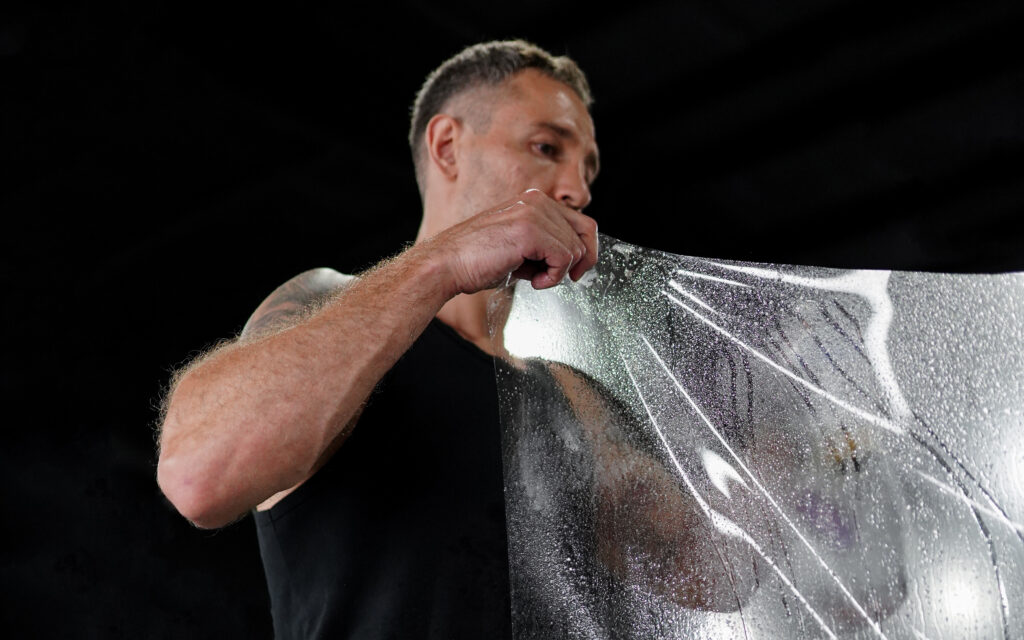
PPF. Paint protection film is a clear urethane layer applied over your paint so it takes the abuse instead of the factory finish. It is a sacrificial layer: the film wears, chips, and scratches so the paint underneath does not.
Self-healing. Premium PPF is made from thermoplastic urethane (TPU) with a topcoat that re-flows when it warms up. Light swirls and fine scratches disappear as the panel heats in the sun or under warm water, generally above roughly 20 degrees Celsius.
XPEL. A film manufacturer that makes paint protection film, window tint, and coatings, sold through installers rather than applied at its own locations.
SunTek. A global film manufacturer owned by Eastman that makes paint protection film and window film, also fitted through a dealer network.
Choosing between these premium films is not easy, and both stay clear after installation and preserve your car’s looks. Let us take a closer look at which paint protection film truly lasts longer, and what really drives that answer.
XPEL PPF: What Sets It Apart
XPEL is one of the most recognized names in paint protection film, and its clear film is built from an advanced elastomeric polymer that resists everyday threats to your finish. Three qualities come up most often in any XPEL vs SunTek PPF comparison: how it heals, how it sheds water, and how it is warrantied.
Self-Healing Speed and Depth
XPEL’s self-healing is its best-known feature. The film uses a specialized thermoplastic urethane that reflows at the molecular level, so light scratches vanish without any manual effort. Heat from sunlight or warm water triggers the process: the top layer expands slightly and fills in fine marks on its own.
Where XPEL is strong is the range of shallow damage it lifts. Its elastomeric polymer handles most surface scratches, though deeper cuts that go through the film still need professional help. For the swirl marks a car picks up from automatic washes or a light branch scratch, self-healing keeps the finish looking clean year after year.
Hydrophobic Options: Ultimate Fusion and Fusion Plus
This is the detail most comparison pages get wrong, so it is worth getting straight in any SunTek vs XPEL PPF read. XPEL’s flagship clear film, Ultimate Plus, is a self-healing film without a built-in hydrophobic topcoat. The hydrophobic behavior comes from one of two separate products:
- Ultimate Fusion is the version of the film with a hydrophobic topcoat built in, so water and grime shed without a second product.
- Fusion Plus is a separate ceramic coating, not the film’s own surface. It is layered on top of paint or film for added slickness and gloss.
Whichever route you take, the practical benefits are the same. Water beads and rolls off, road grime struggles to stick, cleaning takes less effort, and the surface stays clear in all weather. Treating Fusion Plus as the film’s own topcoat is one of the most common mistakes in the XPEL vs SunTek PPF debate, and it changes what you are actually buying.
Warranty Coverage: 10 Years, With Yellowing Protection
XPEL backs Ultimate Plus with a 10-year manufacturer’s warranty, not the 12 years some pages claim. The coverage protects against the defects that matter most:
- Yellowing or discoloration from UV exposure.
- Staining from environmental contaminants.
- Cracking of the film surface.
- Blistering from adhesive failure.
- Delamination, where the film peels away.
XPEL’s formula is designed to fight UV yellowing so protected areas stay invisible across the warranty term. Many owners report their film performing well even past the decade mark with normal use.
SunTek PPF: Key Features and Innovations
SunTek has carved out its place against XPEL with features car owners genuinely value: water repellency, clarity, and a top-tier film that outlasts the rest on paper. These are strong reasons the SunTek vs XPEL PPF question is such a close call.
HydroResist Top Coat for Water Repellency
SunTek’s signature is the HydroResist top coat on its Ultra film, a surface engineered to push away water and contaminants so the film beads instead of spotting. At the top of the range, SunTek Reaction adds a ceramic-infused super-hydrophobic topcoat.
Reaction is where SunTek makes its boldest claim. According to SunTek’s own product specs, the topcoat provides up to 25% increased resistance against damage from harsh elements such as acid rain, bird droppings, and tree sap versus other top brands. Read the framing carefully, because it is easy to misquote: it is up to 25% versus other top brands, not 25% more than standard film, and SunTek does not describe it as ceramic particles inside the film body. What HydroResist and the Reaction topcoat do in practice is limit buildup, keep the film glossy with less care, and let road grime, bugs, and bird droppings wash off more easily. That water-repelling behavior is often what tips a buyer weighing SunTek PPF vs XPEL.
Clarity and Gloss Retention Over Time
SunTek films are known for optical clarity, becoming close to invisible once installed. That transparency is a real factor in the SunTek vs XPEL clear bra decision, because the whole point is that the film disappears and the paint shows through.
The clarity comes from a manufacturing process that reduces the orange-peel texture found in cheaper films, so the finish reads like factory paint. You get two finish choices, gloss and matte, and both work with SunTek’s self-healing technology. Minor scratches lift with heat from the sun, the engine, or warm water, and the clarity is backed by a 10-year warranty on Ultra against yellowing, cracking, and bubbling.
Ease of Installation for Professionals
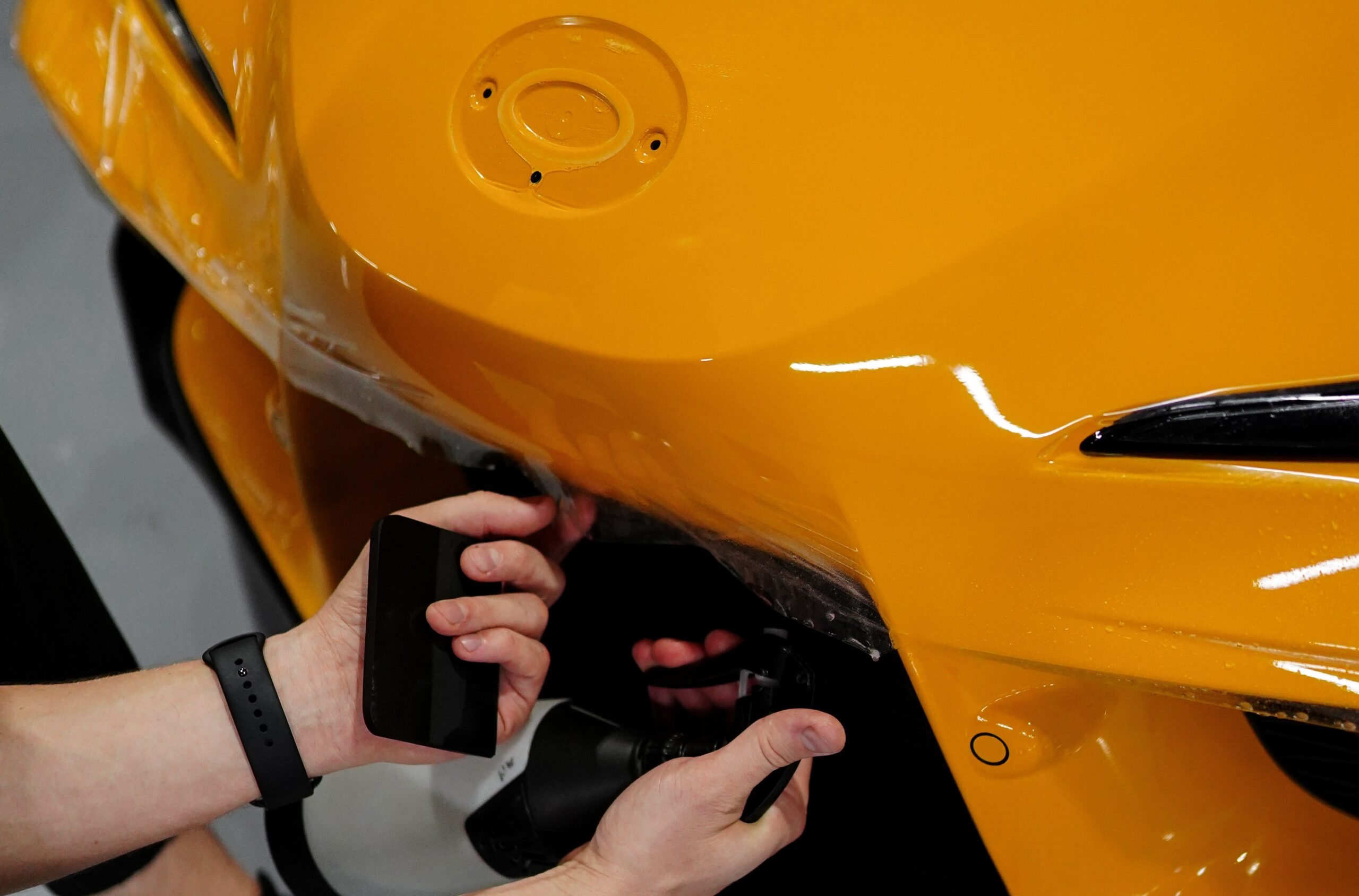
Installers tend to like how SunTek handles. It is fitted with a wet-installation method, similar to window tinting, starting with a soap and water slip solution before the film is squeegeed into place. SunTek film is flexible, so it wraps around complex curves and edges with fewer visible seam lines, and the adhesive helps prevent bubbles during application. Smoother application means fewer imperfections and better durability over time, which is exactly why professional fitting matters as much as the film you pick.
Durability Over Time: SunTek vs XPEL
Premium paint protection film proves itself over years of sun, salt, and daily driving hazards, not in the showroom. On the durability question, XPEL vs SunTek PPF splits into a few real differences and one shared truth.
Scratch Resistance in Daily Use
Your car faces constant micro-abrasion from dust, debris, and routine washing. Both films protect well, but they get there slightly differently. XPEL’s elastomeric polyurethane is well regarded for bouncing back from everyday scrapes and shrugging off road debris. SunTek has its own defenders: as one experienced installer put it, “I find the SunTek better in the scratch resistance and self-healing department.” Treat that as bench experience rather than a lab result, but it shows how close these two films sit on daily scratch resistance.
UV Resistance and Yellowing Prevention
Yellowing is where cheap film fails, and where both premium brands hold up. XPEL and SunTek block the large majority of UV, which is what drives paint fading and film discoloration, and both warrant their films against yellowing for the coverage term. Ground experience adds a caveat worth knowing: in very hot, high-sun climates, some owners report faint yellowing on either brand over time, more noticeable on light-colored cars and on rear sections that take extra engine heat. In the GTA that is a smaller risk than the salt, but it is a fair reason to insist on a genuine premium film rather than a lookalike.
Performance in Harsh Weather Conditions
Tough weather is the real test. XPEL stays stable through big temperature swings, which also helps its self-healing work. SunTek’s HydroResist topcoat tends to shed water and ice more readily, a plus in a wet, freeze-thaw climate. Both shield against the road salt that eats paint and metal, which matters most where winter roads get salted. One installer notes a cold-weather caution with any film: in deep cold, a hard stone strike can shatter the film at the impact point rather than flex, so your local winter is part of the decision. For GTA drivers, that combination of salt, slush, and freeze-thaw is exactly what our Toronto studio builds the install around.
Clarity and Esthetics After Installation
How your car looks after PPF is as important as how it is protected, and the result depends on the film, the finish, and the quality of the install.
Visual Transparency: Matte vs Gloss Options
Both brands offer gloss and matte, and each changes the character of the car. Gloss keeps the showroom shine and can deepen it, giving a wet, glass-like finish that brings out color. Matte gives a flat, understated look that hides minor scratches, fingerprints, and light dirt, and sets a car apart from the usual glossy crowd. On the gloss side, XPEL Ultimate Plus brings out a paint’s natural shine, while SunTek’s gloss keeps that crystal-clear, fresh-from-the-factory look. For matte, XPEL Stealth delivers a satin finish that transforms even glossy factory paint, and SunTek’s matte gives the same modern, flat result. Your final call in the XPEL vs SunTek PPF comparison may simply come down to how each brand handles your preferred finish on your specific paint color.
Color Retention: Does the Film Alter Paint Hue?
Top-quality PPF from both brands is optically clear, so it does not change your car’s true color once installed properly. Premium film actually helps paint stay vibrant longer by blocking UV that fades it, which helps darker colors that show wear sooner. A few nuances are worth knowing: lower-quality films can yellow and tint a light car, gloss film can make some colors look richer, and matte film changes how light reflects without changing the paint itself. XPEL and SunTek both use UV inhibitors to stay clear, so on a quality install the color you keep is the color you started with.
Self-Healing Capabilities Compared
Self-healing is one of the headline features of modern PPF, and both brands have it, though the details differ.
Heat Activation Time: XPEL vs SunTek
Both films rely on heat to trigger healing, and both respond to sunlight, engine heat, or warm water. XPEL is often reported to heal marginally faster in day-to-day use, which fits its long history with heat-activated self-healing film. That said, this is installer and owner observation rather than a certified lab spec, so it is fair to call it a small edge rather than a deciding factor in the XPEL or SunTek PPF choice. For most drivers the difference is academic, because both films heal overnight in a parked car under normal conditions.
Types of Scratches That Heal Automatically
Setting expectations matters. Both films handle swirl marks from automatic washes, light brush scratches from shrubbery, minor scuffs from daily handling, and surface abrasions from dust and grit. Neither film repairs a deep cut that reaches the adhesive layer. The healing works through the TPU and its specialized polymers, which remember their shape and return to it when heat is applied. Used for what they are good at, both films keep a car looking flawless with very little effort, and that is genuinely useful in a city full of automatic car washes.
Maintenance and Cleaning Requirements
Good film rewards simple, consistent care, and the two brands ask for slightly different routines.
Water Spot Resistance and Dirt Repellency
Here the SunTek vs XPEL PPF question often comes down to how each fights contaminants. SunTek’s HydroResist topcoat is excellent at repelling water so it beads and rolls off instead of spotting. XPEL matches that with its hydrophobic film and coating options, cutting how often you need to wash. Some installers give SunTek a slight edge on pure water repellency. Either way you get the same practical wins: rain and sprinkler spots are less noticeable, dirt sticks less than on bare paint, bugs and bird droppings rinse off easier, and cleaning takes less work. Neither film removes the need to wash your car, so regular care still applies.
Can You Wash and Wax Over PPF?
The two brands differ on timing and products. XPEL asks for a 48-hour wait after installation before the first wash, and SunTek asks for about three days to ensure proper adhesion. For both, use a pH-neutral shampoo, keep pressure washers away from film edges, use soft microfiber, and dry fully to avoid water spots. On waxing they diverge: SunTek allows a non-abrasive wax once or twice a year to maintain appearance, while XPEL advises against waxes or polishes with dyes, abrasives, or solvents on the film. Whichever film you run, use products made for paint protection film so you do not scratch the surface or dull the self-healing topcoat.
Cost Breakdown and Value Over Time
Price is a real part of the SunTek vs XPEL PPF decision, both the upfront cost and the return over time.
Installation Costs: XPEL vs SunTek
Skip the single made-up number you see on most pages and work from honest ranges. In the GTA, a full-vehicle wrap in XPEL Ultimate Plus typically runs about $4,500 to $7,000 or more in Canadian dollars, while a full-vehicle wrap in SunTek Reaction usually lands around $3,500 to $5,500, with SunTek commonly sitting roughly 15% to 25% below comparable XPEL coverage. The final price depends on the vehicle’s size and complexity, how much you cover, your local market, and the installer. As the trade saying goes, shop the installer, not the film they use, because a skilled hand gets the best out of either product.
Long-Term Value: Resale Impact and Reapplication Needs
PPF looks expensive up front and pays back quietly. A car with clean, well-installed film tends to keep its paint chip-free and its finish sharp, which supports resale value and spares you the cost and hassle of respraying panels the road has chewed up. How the math works for you depends on how long you keep the car, how hard your driving conditions are, and the car’s value, since expensive cars and tough winters get the most out of protection. Both brands protect the investment well, so the real difference is what you pay up front and how much coverage your driving actually calls for.
Installer Skill and Product Compatibility
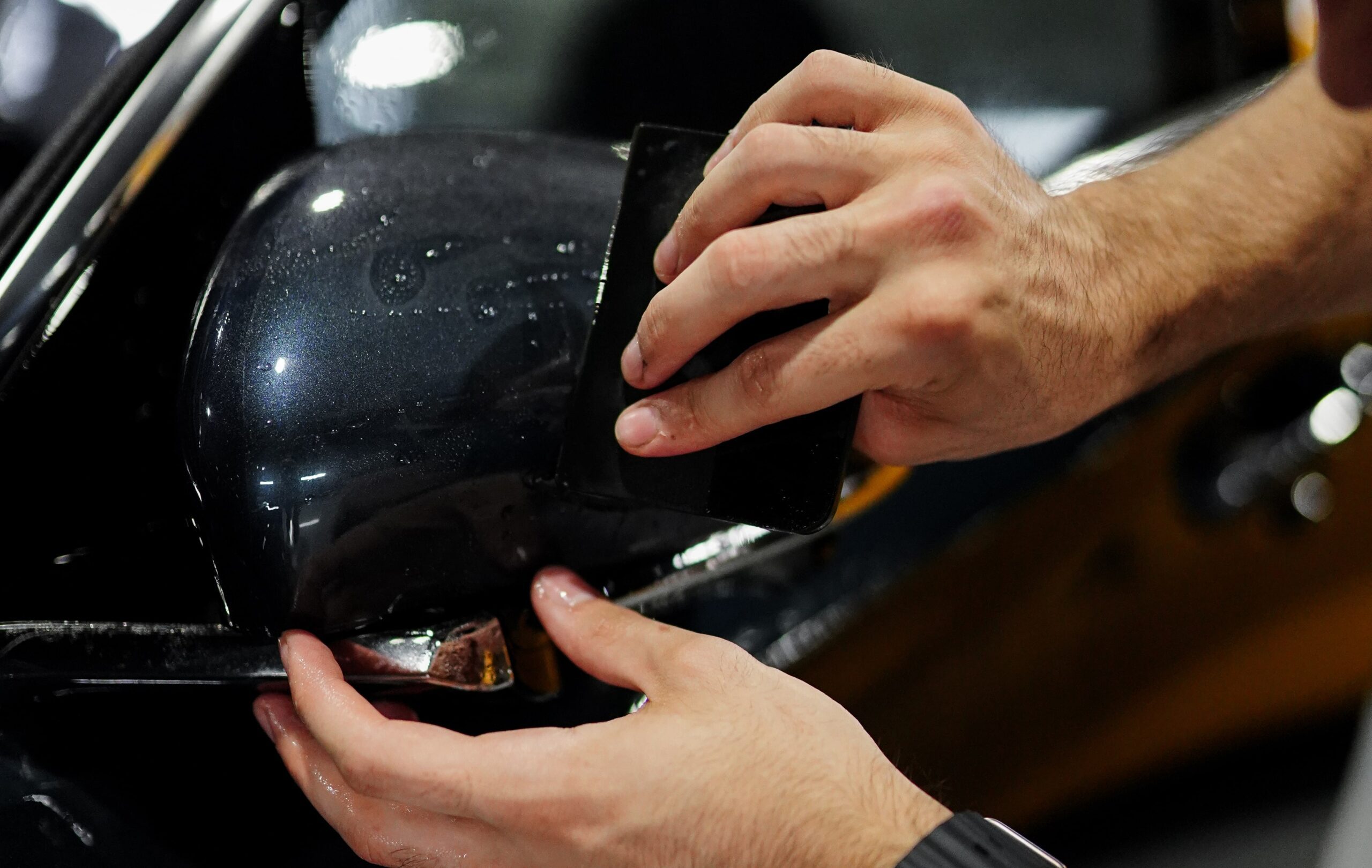
You can obsess over brand specs, but the real result is decided during application. Installation quality matters more to how long your film lasts than the badge on the roll.
Why the Installer Matters More Than the Film
Buy the installer, not the film they use, is the golden rule in PPF circles for a reason. A professional’s tools, experience, and precision decide edge sealing that stops lifting, bubble-free application that keeps the film clear, alignment that follows the car’s curves for invisible protection, and surface prep that makes the adhesive last. People weighing SunTek vs XPEL often land on the same line: great installers make mediocre film look great, and mediocre installers make great film look mediocre. Every advanced feature, from self-healing to water repellency, depends on the film being applied correctly in the first place.
Film Flexibility and Ease of Application
Films conform to complex panels differently. SunTek bends and stretches around tight curves and edges, which helps an experienced installer get smoother results with fewer visible seams. Both brands use TPU, which handles better than older materials and often needs less heat, reducing installation errors. XPEL is praised for an adhesive that lets the installer reposition the film during application, useful on complicated body designs. In the right hands, either film wraps cleanly, which is exactly why the installer is the larger half of the XPEL vs SunTek PPF question.
GTA Winter and Road Salt
This is the part US-focused reviews skip, and it is the part that decides how your film survives an Ontario winter. In the GTA the enemy is not just UV. It is the winter chemistry of salt brine and slush, then a spring of loose gravel and stone chips off the 401, the DVP, the Gardiner, and the QEW. Salt-laden slush finds any lifted seam and creeps under the film, and gravel sandblasts the lower panels the film is there to save.
Premium paint protection film is the sacrificial layer that takes those hits. On the winter question, SunTek vs XPEL PPF matters far less than one detail of the install: whether the edges are wrapped and hidden into the panel gaps so brine cannot get underneath. At ID Protection, our Toronto studio tucks the film into the seams and wraps the edges specifically so GTA salt cannot creep under a lifted edge, because that is the seam that fails first in a real winter here.
Comparison Table
| Feature | XPEL | SunTek |
|---|---|---|
| Flagship clear film | Ultimate Plus | Ultra |
| Top hydrophobic film | Ultimate Fusion | Reaction |
| Warranty | 10 years (Ultimate Plus) | 10 years (Ultra), 12 years (Reaction) |
| Thickness | About 8 mil (0.2 mm) | About 8 mil (0.2 mm) |
| Hydrophobic topcoat | Built into Ultimate Fusion; Fusion Plus is a separate ceramic coating | Ceramic-infused super-hydrophobic topcoat on Reaction |
| Self-healing | Heat-activated TPU; often reported slightly faster | Heat-activated TPU |
| Full-vehicle price (CAD) | About $4,500 to $7,000+ | About $3,500 to $5,500 |
| Resistance claim | Long warranty, clear self-healing film | Up to 25% more resistance vs other top brands (Reaction) |
Frequently Asked Questions
Which is better, XPEL or SunTek PPF?
Neither wins outright. XPEL Ultimate Plus is a proven clear self-healing film with a 10-year warranty, and SunTek Reaction adds a super-hydrophobic topcoat and a 12-year warranty. For most GTA drivers, the XPEL vs SunTek PPF decision comes down to budget and the installer, not a clear technical winner.
How long does paint protection film last?
Premium PPF is warrantied for 10 to 12 years depending on the film, and a well-installed wrap commonly lasts that long. Real-world lifespan depends on edges, exposure, and winter salt more than the brand name on the box.
How much does PPF cost in the GTA?
Coverage drives the price. Partial front packages start lower, and full-vehicle wraps in these premium films generally run from about $3,500 for SunTek Reaction up to $7,000 or more for XPEL Ultimate Plus in Canadian dollars, depending on the car and the coverage.
Does PPF yellow over time?
Quality PPF from XPEL or SunTek resists yellowing, and both warranties cover it. Cheaper films are the ones that yellow, which is one reason the SunTek vs XPEL PPF conversation should stay at the premium tier.
Is XPEL or SunTek self-healing faster?
Both self-heal with heat because both use TPU. XPEL is often reported to heal marginally faster, but this is installer observation rather than a certified figure, so it should not be the deciding factor on its own.
Key Takeaways
- Fix the specs first. Premium PPF is about 8 mil (0.2 mm) thick, XPEL Ultimate Plus carries a 10-year warranty, and SunTek Reaction carries a 12-year warranty.
- Know the topcoats. XPEL Ultimate Fusion has a built-in hydrophobic topcoat, XPEL Fusion Plus is a separate ceramic coating, and SunTek Reaction adds a ceramic-infused super-hydrophobic topcoat.
- Read the SunTek claim correctly. Reaction offers up to 25% more resistance to acid rain, bird droppings, and tree sap versus other top brands, not versus standard film.
- Budget in CAD ranges. Full-vehicle XPEL Ultimate Plus runs about $4,500 to $7,000 or more, and SunTek Reaction about $3,500 to $5,500.
- The install decides it. When comparing XPEL and SunTek, wrapped and hidden edges beat any spec sheet in a GTA winter.
Conclusion
A full look at these two paint protection film leaders shows the verdict on longevity is not a simple one-brand answer. XPEL and SunTek both make film that can protect your paint for a decade or more. XPEL leans on fast self-healing and a proven 10-year clear film, while SunTek counters with the HydroResist and Reaction topcoats, a 12-year warranty on Reaction, and a lower price for comparable coverage. According to XPEL’s published warranty terms, that clear-film coverage is an industry-leading 10-year warranty, which is the honest number to weigh against SunTek’s longer Reaction term.
The larger variable is not on either spec sheet. It is the hand that applies the film and how the edges are finished for salt, gravel, and stone chips on Toronto roads. A perfect film applied poorly still looks like a wrap gone wrong, and a slightly cheaper film applied by a careful hand will outlast a premium film with lifting edges. That is why we tell people the film brand is the smaller half of the SunTek vs XPEL PPF question.
If you are weighing XPEL vs SunTek PPF for a car in Toronto or the wider GTA, the PPF installation team at ID Protection installs premium self-healing paint protection film and gives GTA drivers a straight read on coverage, edges, and finish before you commit. Come see a car mid-install and check the edges up close before you decide.