The future of car paint protection is already here. The U.S. PPF market was valued at USD 105.04 million in 2023 and is projected to grow at 6.2% annually through 2030. Your car’s paint faces threats from road debris and UV rays. Modern protection paint car solutions now include self-healing films that repair scratches when exposed to heat automatically. What is paint protection on new cars today? It’s evolved way beyond traditional waxes. The best car paint protection combines advanced materials like graphene-infused films and smart sensors that monitor UV exposure. Eco-friendly options are also available. This piece explores state-of-the-art car paint protection options shaping the automotive care industry.
Current State of Car Paint Protection Options
Car owners have relied on paint protection methods for decades, but things have changed a lot. Traditional options still hold their ground while advanced technologies reshape what protection paint car solutions can achieve.
Traditional Methods Still in Use
Waxes remain a staple choice for budget-conscious drivers. Spray waxes deliver quick results but you’ll need to reapply them every 1-2 weeks. Carnauba waxes offer deeper shine and protection that lasts 8-12 weeks depending on weather and how often you wash. Synthetic waxes extend durability a bit through polymer compounds.
Paint sealants step up the game. These synthetic formulations bond chemically with clear coats and last 4-6 months. Some products like Meguiar’s M21 can protect surfaces for 5-7 months. Sealants provide better UV protection and reflective shine compared to traditional waxes.
Ceramic coatings represent the premium tier of traditional solutions. These liquid polymers based on silica form a semi-permanent, glass-like layer that bonds with paint. You get hydrophobic surfaces that repel water and dirt, making cleaning much easier. Professional application remains necessary due to complex preparation requirements. The durability speaks volumes: ceramic coatings last 2-5 years or more.
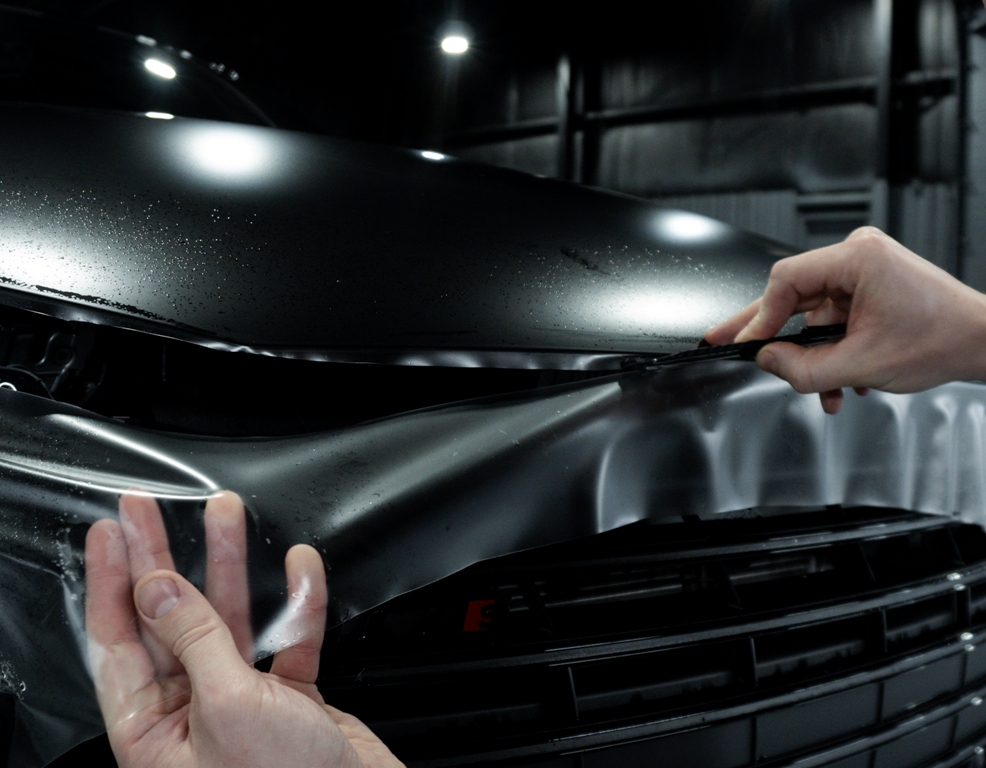
Paint Protection Film entered the automotive market with military origins. Developed for U.S. Department of Defense helicopter rotor blades damaged during the Vietnam War, PPF evolved from specialized urethane film into mainstream protection. Modern PPF acts as transparent armor against rock chips, scratches and scuffs. High-quality films now feature self-healing properties where minor scratches disappear with heat application. Professional installations can last 5-10 years.
Why Modern Solutions Are Gaining Traction
Technology advancements push adoption rates higher. Self-healing thermoplastic polyurethane (TPU) films now dominate over 85% of market share. These advanced materials deliver superior durability and clarity compared to older PVC-based standards. Scratch recovery happens about 30% faster with nano-films.
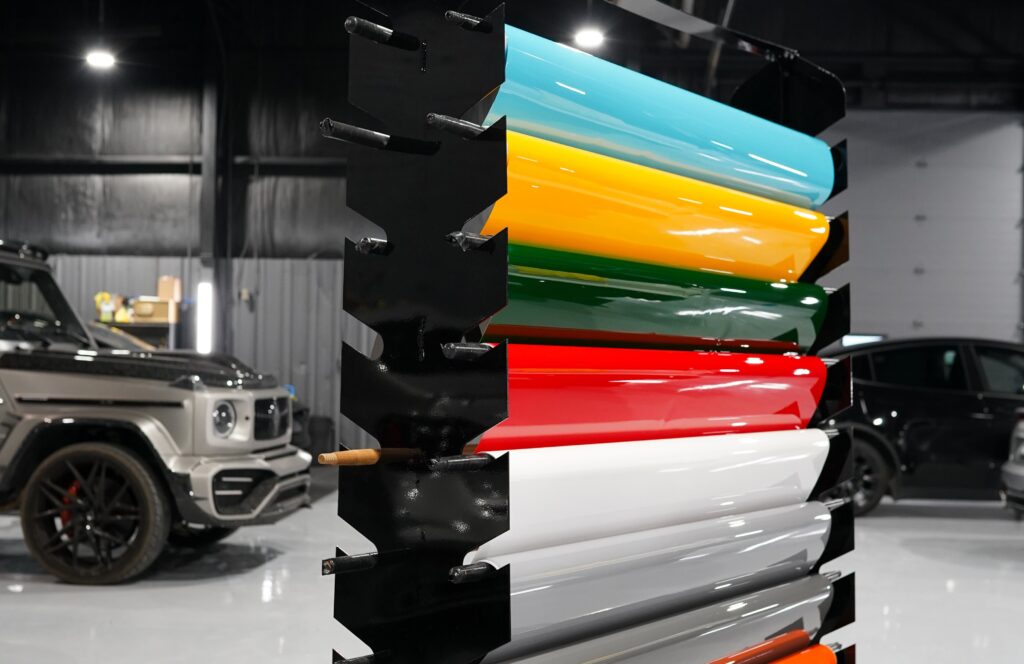
Digital manufacturing reshapes operations. AI laser cutting paired with cloud CAD libraries lifts pattern accuracy above 98%, which minimizes waste and installer variability. Professional colored PPF installation services like ID Protection use precision-cut templates for flawless application.
Consumer awareness about resale value pushes demand upward. Vehicles with factory paint preserved under PPF command higher trade-in values and avoid costly reconditioning charges. Protected vehicles depreciate less over time, making PPF a smart financial decision.
Ceramic coatings face competition from PPF but serve different purposes. While ceramic coatings excel at chemical resistance and UV protection, they’re too thin to stop rock chips. PPF prevents 95% of damage from road debris according to one analysis. Smart buyers combine both: PPF handles physical impacts while ceramic coating adds shine and simplifies maintenance.
Market Growth and Consumer Demand
The numbers tell a compelling story. Global paint protection film market size reached USD 866 million in 2024 and projects growth to USD 1,268 million by 2032, showing a 5.7% CAGR. North America leads as the biggest player, with growth at 6.7% CAGR from 2025-2030.
Vehicle ownership across demographics keeps rising and fuels demand. Luxury and premium vehicle sales push market expansion, as owners of expensive cars invest heavily in protective solutions. By 2027, nearly 1 in 5 premium vehicles will roll off assembly lines with pre-cut PPF kits installed at factory or port facilities.
Growing environmental consciousness supports market growth. PPF extends paint life and reduces repainting needs, which aligns with sustainability goals. Manufacturers commit to 30% recyclable backing liners by 2030.
Fragmented weather conditions across regions prompt high-quality film usage. The meeting of premium EV sales, fleet usage and OEM endorsement embeds PPF into modern electric mobility ecosystems.
Professional installation networks spread and make access easier. Specialized services ensure proper application and improve user experience, which boosts demand further. Installation costs remain a barrier: full-body applications range from USD 1,500 to over USD 6,000 per vehicle. Yet the investment pays dividends when compared to repair costs for rock chips and paint correction work.
Advanced Material Science in Paint Protection
Material science breakthroughs are redefining car paint protection options at the molecular level. The future of car paint protection relies on engineered polymers and advanced compounds that deliver performance impossible just five years ago.
Graphene-Infused PPF Technology
Graphene brings extraordinary capabilities to paint protection. This single-atom-thick carbon layer is 200 times stronger than steel yet remains lightweight. Protection paint car coatings infused with graphene deliver superior gloss and reflectivity that gives vehicles a high-end appearance.
The hydrophobic properties stand out. Water, mud and contaminants bead off the surface, which makes cleaning easier and less frequent. Graphene coatings dissipate heat well, unlike ceramic coatings that retain heat and lead to water spots. This heat management makes graphene ideal for vehicles exposed to direct sunlight.
UV resistance extends film lifespan substantially. Graphene prevents discoloration and yellowing over time while improving heat dissipation to reduce surface temperatures. The anti-static properties reduce dust accumulation, which helps maintain a clean appearance between washes.
Durability extends up to 5 years or more with proper maintenance. Some formulations can last up to 7 years compared to traditional ceramic coatings’ 2-5 year lifespan. Graphene’s thermal resistance is twice that of ceramics and prevents paint oxidation and fading caused by extreme weather conditions.
Medical-Grade TPU Films
Thermoplastic polyurethane represents the performance measure in PPF quality and long-term esthetics. Covestro’s Desmopan UP series delivers durability, adaptability and superior surface integrity protection. The “UP” designation stands for “ultimate protection.”
The molecular structure gives TPU a balance of elasticity and rigidity, which results in material that is both flexible and tough. This flexibility allows TPU to absorb impact and return to its original shape. It behaves like rubber with excellent elasticity. TPU retains its flexibility even at low temperatures, which makes it ideal to use outdoors in cold environments.
Chemical resistance sets medical-grade TPU apart. The material withstands oils, fuels and solvents commonly encountered in automotive environments. TPU exhibits high abrasion resistance and withstands repeated friction without degradation. Its tear resistance makes it perfect to protect applications where mechanical stress is constant.
Covestro funneled years of research into formulations and advanced manufacturing technologies. These are the foundations of superior UV durability, hydrolysis resistance and optical clarity. These properties guarantee long-lasting performance, weather resistance and impact resistance. The adaptability allows PPF to conform to complex vehicle designs and surfaces quickly.
Nano-Ceramic Hybrid Materials
Nanotechnology operates at a level 1,000 times smaller than human hair. This revolutionary liquid SiO2 and polymer-based solution infuses nanotechnology that fills microscopic imperfections found on porous surfaces. CQuartz Finest Reserve uses an entirely new technology built on complex hybrid blends of quartz infused epoxy nanotech particles.
The hybrid nano structural composition bridges the gap between ceramic and organic materials and creates very high gloss, dense nano-coats. This results in very glossy, durable, thick coatings that last for many years. The hardness rating reaches 9H on the pencil hardness scale, substantially higher than conventional clear coats.
Silicon dioxide (SiO2) imparts hardness to the coating while delivering hydrophobic properties that enable water to bead up and roll off surfaces. Titanium dioxide (TiO2) provides additional UV protection and safeguards paint from damaging sunlight exposure. These materials act together to create robust protective layers that withstand extreme temperatures, mechanical stress and environmental factors without degradation.
Chemical resistance prevents stains from acid rain and bird droppings that etch into regular paint. The self-cleaning attribute propelled by hydrophobic nature reduces frequent washing needs while preserving glossy finishes.
Self-Healing Polymer Innovations
Self-healing PPF uses elastomeric polymers to provide outstanding ability for mild scratch and abrasion repair. These polymers have natural elasticity and allow them to return to their original shape when disturbed by minor damage.
The process works through molecular reorganization. The elastomeric polymers absorb the energy from impact when the film is scratched or dented. Heat exposure from the sun, warm water or even your hand causes the polymers to relax and revert to their natural, smooth state, which heals the scratch. This process guarantees long-lasting protection and flawless finish multiple times over the film’s life.
The self-healing capability represents a key differentiator of modern PPF. Premium films like XPEL Ultimate Plus feature proprietary elastomeric polyurethane topcoats that heal light scratches and swirl marks within minutes when exposed to warmth. The film consists of three critical layers: the clear topcoat made from flexible elastomeric polyurethane responds to heat, the middle polyurethane layer provides exceptional impact resistance, and the adhesive base layer bonds the film to vehicle surfaces.
Nanotechnology plays a key role in self-healing properties. The self-healing layer consists of nano-sized particles usually only a few micrometers thick. These particles are designed to migrate in reaction to heat and promote healing. This nanotechnology improves the film’s resilience to various damage types including UV radiation and chemical corrosion.
Self-healing technology has limits. Deep gouges that cut through the protective topcoat into the core polyurethane layer cannot self-repair. Punctures from sharp objects, knife cuts or deep key scratches that penetrate full film thickness exceed self-healing capability. Professional installers can replace affected PPF sections for these damage types without redoing entire panels, which is substantially more affordable than repainting.
Smart Films: The Next Generation of Protection
Intelligence meets protection in the car paint protection future. Smart films represent a transformation from passive barriers to active monitoring systems that communicate with you about your vehicle’s condition.
Embedded Micro-Sensors for Immediate Monitoring
Next-generation PPF integrates micro-sensors directly into the film structure. These sensors monitor environmental and physical conditions continuously. Temperature fluctuations, UV exposure levels, and surface pressure from physical impacts get tracked by the technology.
Mobile apps or vehicle dashboards receive synced data from the sensors. You receive notifications when conditions threaten your paint. This tech-forward approach improves safety, awareness, and long-term vehicle preservation.
Smart PPF wants to provide immediate monitoring and feedback rather than just passive protection. Picture a film that detects temperature fluctuations, measures UV exposure, identifies surface stress or impact, and alerts drivers to damage via smartphone app. A central hub communicates with these sensors, usually your phone or onboard vehicle system, and notifies you when the film needs attention, cleaning, or replacement. It’s proactive protection instead of reactive maintenance.
Temperature and UV Exposure Tracking
Mobile app interfaces serve as command centers for your car’s protection system. Your vehicle’s smart PPF sensors send push notifications to your phone via Bluetooth or Wi-Fi. You might receive alerts such as: “Surface temperature has exceeded safe limits – consider moving your vehicle to shade,” “Detected impact on rear panel – inspect for possible damage,” or “UV exposure high today – wash and inspect film for wear”.
This monitoring capability extends beyond individual vehicle protection. Smart PPF won’t exist in isolation but will become part of a wider ecosystem of car care technology. Smart garages could adjust temperature and humidity to ideal levels when a protected vehicle enters.
Your driving patterns and parking habits affect paint condition, and the data collection provides insights into how. You can adjust behavior based on actual exposure data rather than guesswork.
AI-Enhanced Custom Film Applications
Artificial Intelligence changes how PPF is designed and applied. Manufacturers and installers can map vehicle surfaces for exact-fit film patterns using 3D scanning and machine learning algorithms. Usage patterns get analyzed by the system to reinforce high-impact areas.
Human error reduces by a lot with automation. Cutting and application get automated by the AI, reducing installation time while improving accuracy. A flawless fit for each specific vehicle model provides optimal protection and a seamless finish.
Digital precision reaches new heights. AI laser cutting paired with cloud CAD libraries achieves pattern accuracy above 98%. Material waste gets minimized by this technology and eliminates installer variability that plagued earlier manual cutting methods.
Physical material properties combine with digital intelligence in the best car paint protection now. Smart films represent where protection paint car technology is headed – connected, responsive, and evidence-based. Your vehicle’s exterior protection becomes part of an integrated monitoring system that keeps you informed and helps prevent damage before it occurs.
Self-Healing and Self-Cleaning Technologies
Self-healing and self-cleaning capabilities define what makes modern car paint protection options revolutionary. These technologies work together to maintain your vehicle’s appearance with minimal intervention.
How Self-Healing Films Work
The science behind self-healing paint protection film is simple yet effective. The top layer features an elastomeric polymer with memory properties. The material returns to its original shape and smoothness with heat application after the surface gets scratched or abraded.
The healing process triggers with exposure to sunlight on a warm afternoon or running warm water over the surface. The material’s molecular structure reacts to temperature changes and allows it to repair itself repeatedly without degrading. The polymer chains undergo a relaxation process that allows them to realign themselves at approximately 140°F. Some films activate at lower temperatures around 80 degrees Fahrenheit.
The top layer softens when heated, and the microscopic chains of polymer gain mobility. They flow back into scratches like liquid filling a crack before resolidifying smoothly. This process happens without manual effort on your part. No need for touch-ups or buffing.
The healing timeline varies based on conditions. Minor scratches can disappear within minutes to days. Healing can occur at low temperatures and take anywhere from 30 minutes to 2 hours depending on environmental conditions with microcapsules incorporated. These minute containers, ranging from 10 to 100 micrometers in size, hold healing agents such as specialized polymers or resins. The microcapsules rupture and release their contents to repair the affected area after damage occurs.
Self-healing PPF fixes swirl marks, light washing scratches, and micro-marring from towels. But it cannot fix deep scratches you can feel with your fingernail or cuts and punctures in the film. The affected film section can be replaced without repainting the vehicle for deeper damage.
Hydrophobic and Oleophobic Coatings
Hydrophobic surfaces repel water while oleophobic surfaces repel oil. Premium PPFs incorporate these properties into the self-healing top coat or add an additional layer. This super-slick surface repels water, dirt, and contaminants and makes your vehicle easy to clean while reducing water spotting.
Contact angle measurements determine repellency effectiveness. The higher the number, the more repellent the surface. High-quality hydrophobic ceramic coatings maintain contact angles greater than 110° even after exposure to extreme conditions.
Water beading delivers functional advantages. Water carries off the car faster and more completely if it beads up instead of spreading out and protects from damaging effects of atmospheric water like minerals and acid. Water picks up dirt and carries it off the surface as it beads up. It can reduce the need for windshield wipers on glass.
Oleophobicity matters just as much. Oil-based substances like tar and bug splatter won’t stick to an oleophobic surface. A repellent surface is both hydrophobic and oleophobic.
Benefits for Long-Term Maintenance
Self-healing PPF provides year-round protection suited for various conditions. Its resistance to UV rays protects paint from intense sun exposure. Its knowing how to fend off chemical stains and contaminants proves to be a great way to get protection during pollen season or after rainstorms that leave behind residue.
This self-repairing ability keeps your car looking pristine and reduces the need for corrective polishing or touch-ups. This translates to real savings and less time spent at the auto detailer over time. Vehicle owners with self-healing PPF experience reduced annual paint touch-up needs by a lot.
Eco-Friendly Paint Protection Materials
Environmental responsibility now shapes the future of car paint protection as manufacturers pivot toward green materials. You can protect your vehicle and reduce environmental effects through innovative eco-friendly films.
Biodegradable and Recyclable Films
Bio-based TPU derived from renewable resources represents a major change in PPF manufacturing. Leading manufacturers use castor oil and plant cellulose as raw materials instead of petroleum-based compounds. Some high-end PPF products adopt degradable aliphatic TPU that meets the EU EN 13432 compostable standard, which degrades slowly in natural environments without releasing harmful substances.
These bio-based materials greatly reduce reliance on fossil fuels. Carbon emissions during raw material production drop by more than 30% compared to traditional petroleum-based materials. Bio-based polyethylene obtained from renewable sources like corn or sugar cane absorbs carbon dioxide during growth. One ton of green PE binds three tons of CO2.
Recycling programs address end-of-life disposal concerns. Some forward-looking manufacturers have set up post-consumer recycling systems where consumers return expired PPF to authorized stores for professional processing. Recycled PPF materials get reused in lower-demand applications and promote a circular economy. Currently, the recycling rate of some eco-friendly PPF products has reached 65%, with a target of 90% by 2026.
Reducing Carbon Footprint in Manufacturing
Production processes change to minimize environmental effects. Cutting scraps and defective products from PPF production are classified and recycled through crushing, melting and purification processes. These wastes convert into TPU regenerated particles for manufacturing auto interior parts and achieve zero waste in production. This approach reduces solid waste pollution and lowers raw material costs by 10-15%.
Water-based adhesives replace traditional organic solvents. These adhesives use water as the dispersion medium instead of harmful solvents and reduce VOC emissions by over 80%. Solvent-free coating technologies eliminate VOC emissions entirely during the curing process and meet the strictest international environmental standards such as ISO 12945-1.
Manufacturers invest in closed-loop production systems to reduce waste and reuse water during production. Switching to renewable energy sources for factory operations further cuts carbon footprint. Developing thinner films that provide equivalent protection with fewer raw materials represents another efficiency gain.
Non-Toxic Components and Sustainability
New formulations prioritize safety for installers and the environment. Non-toxic components replace harmful chemicals in modern PPF production. Films made from safe materials avoid hazardous substances entirely.
The move toward green practices delivers business benefits among environmental gains. Green PPFs contribute to efficient resource use and line up with global initiatives like the United Nations’ Sustainable Development Goals. Biodegradable and recyclable films minimize waste by preventing products from ending in landfills.
Paint protection film offers a green alternative to frequent repairs and replacements that generate waste and contribute to pollution. The film itself is eco-friendly, made from non-toxic materials and removable without damaging car paint. Replacement time arrives, and the material can be recycled or disposed of in an eco-friendly manner.
Best Car Paint Protection: Comparing Modern Solutions
Choosing between protection paint car solutions requires understanding what each technology delivers. The best car paint protection depends on your specific needs and driving conditions.

Ceramic Coatings vs Paint Protection Film
PPF and ceramic coatings serve different purposes. Paint Protection Film is a clear thermoplastic polyurethane layer designed to absorb road debris, rocks and hazards that cause scratches or paint damage. It’s thicker and provides superior physical protection. The film shields paint from rock chips and scratches. Self-healing technology allows minor scratches to disappear with heat exposure. PPF lasts 7 to 10 years with proper care. Premium films like XPEL offer 10-year warranties.
Ceramic coating is a liquid polymer that chemically bonds with vehicle paint and creates a hydrophobic surface. It doesn’t offer the same resistance as PPF but excels at repelling water and contaminants. Ceramic coatings improve your car’s shine and gloss. They provide that freshly detailed look for longer. They protect against UV damage and oxidation. Bird droppings, tree sap and road salt won’t damage the surface. Ceramic coatings last 2 to 5 years with proper maintenance, depending on the product.
The critical difference: PPF stops physical damage while ceramic coating cannot defend against road debris and rocks. Ceramic coating provides a glossy sheen and water-repellent properties that PPF alone doesn’t match.
Hybrid Protection Strategies
The ultimate defense combines both technologies. Apply PPF first to high-impact areas like the front bumper, hood and fenders. This shields your vehicle from chips and road rash. Apply ceramic coating next over the entire vehicle, including over the PPF. This creates a hydrophobic layer that improves gloss and makes cleaning effortless.
Together, they deliver maximum protection and longer-lasting performance. The ceramic coating helps prevent the PPF from degrading due to chemical exposure. PPF lasts longer because ceramic coating shields it from UV rays. Professional installation through PPF studios like ID Protection maximizes these layered benefits.
What is Paint Protection on New Cars Today
Factory paint isn’t as protected as you’d think. Your brand-new car sits at dealerships for 4-5 months exposed to acidic rain and harsh UV rays. Dealerships offer generic solutions that are often less carefully applied and come with higher costs. Professional independent detailers provide specialized care with advanced car paint protection options like PPF and ceramic coatings tailored to your vehicle’s needs and budget. Daily drivers benefit from long-term options like ceramic coating or PPF for superior protection.
Installation Methods and Advanced Application Techniques
Application precision separates amateur work from professional results. The car paint protection future relies on advanced installation technologies that eliminate human error and expand accessibility.
Precision-Cut Templates and Laser-Guided Systems
Computer-cut patterns created from laser measurements deliver precise edge alignment around curves and panels. These digital templates reduce paint damage risk from manual trimming and maintain consistent fitment across similar models. Pattern accuracy exceeds 98% when AI laser cutting pairs with cloud CAD libraries. Pre-cut kits tailored to specific vehicle Year, Make, Model, and Trim provide smooth fits. This precision prevents film overstretching and creates invisible barriers that look factory-installed.
Robotic Application Technology
Automation plays a growing role in PPF application. Robotic systems apply film with consistency that reduces human error, beneficial in high-volume settings like manufacturing plants or large installation centers. The AutoWrap Surface Treatment Platform uses AI software controlling humanoid robots to perform autonomous PPF installation. These robots execute applications with smooth precision and eliminate bubbles, creases, and misalignments. Integrated AI vision systems monitor application processes and verify perfection while adapting to real-life conditions continuously. Project times drop from days to hours and maintain flawless quality unachievable manually.
Professional Training and Certification Requirements
Skilled installation remains significant for film performance and appearance. XPEL offers multi-day immersive courses led by experienced instructors, with hands-on practice in world-class facilities using real cars. Ceramic Pro provides 3-day onsite training covering fundamentals, tips, problem-solving techniques, and plotter operation. Avery Dennison’s 2-day wet-apply PPF training costs $1,399 and has application tools plus a 60″ x 20′ film roll. Training programs address new application methods and innovative materials handling.
Cost Analysis and Long-Term Value
Understanding the financial picture helps you make smart decisions about the best car paint protection for your vehicle.
Original Investment vs Total Cost of Ownership
Professional PPF installation ranges from $900 to over $7,000 depending on coverage and vehicle size. Full-body applications cost $2,000 to $8,000. This seems steep until you compare it to repainting costs. A single paint repair runs $1,000 to $5,000. You’ll face multiple repairs over ownership without paint car protection solutions.
Effect on Resale Value
The return on investment is clear. Research indicates vehicles with PPF can see resale value increases of 10-15%. A national survey of U.S. dealership professionals found 96% believe PPF helps retain more value, and 70% cite gains up to 15%. Vehicles with PPF experience a 30% reduction in visible paint damage after five years. They also sell 20% faster than unprotected vehicles.
Avoiding Low-Quality Options
Cheap films create expensive problems. Poor-quality PPF yellows and peels. Removal gets pricey and can damage factory paint. Professional installations include manufacturer-backed warranties that cover materials and workmanship for 3+ years. Quality films offer budget-friendly solutions through fewer replacements and reduced labor-intensive removals.
Conclusion
The automotive protection industry is evolving faster. Graphene-infused films and self-healing technology are reshaping what’s possible. These innovations mean you’re no longer choosing between simple waxes and expensive repaints. Modern solutions combine physical protection with digital intelligence and offer genuine value through extended paint life and higher resale values.
Research different technologies to match your driving conditions and budget when selecting your protection strategy. Professional installation through ID Protection PPF services guarantees proper application and maximizes your investment. The right protection pays for itself by preserving your vehicle’s appearance and preventing pricey repairs down the road.