Paint protection film’s market is growing fast. The U.S. market alone reached USD 105.04 million in 2023, and experts predict a 6.2% growth from 2024 to 2030. This transparent shield for your vehicle is now becoming essential rather than just another luxury option.
The PPF market shows impressive growth globally and will likely hit USD 1.1 billion by 2025. Several factors drive this expansion. Modern PPF technology now provides superior defense against UV radiation, oxidation, and chemical exposure. On top of that, new biodegradable films maintain their durability while being environmentally responsible.
This piece shows how technology revolutionizes car protection through PPF innovations. Smart films with embedded sensors and AI-powered application methods prove that PPF has evolved beyond simple protection. These advances will help you make better choices when protecting a new purchase or upgrading your current vehicle’s defenses. ID Protection provides complete services with innovative materials that match your specific needs.
The rise of PPF in 2026 and beyond
PPF is becoming more than just a niche product. Market data shows PPF adoption will grow in the coming years, with exceptional growth in regions and market segments of all sizes.
Global market size and CAGR projections
The numbers reveal PPF’s future potential. The global PPF market valued at approximately USD 575.62 million in 2025 will nearly double over the next decade. Experts predict the market will reach between USD 962.6 million and USD 1.06 billion by 2035. This shows a remarkable expansion.
Multiple industry reports show consistent growth rates. The PPF sector’s Compound Annual Growth Rate (CAGR) will stay between 6.2% and 6.7% through 2032. These steady numbers prove PPF’s growing role in automotive protection.
The market’s resilience makes this growth even more remarkable. The PPF industry recovered strongly by mid-2021 after COVID-19 disruptions. This bounce-back shows the industry’s strength and how customers want these products despite economic challenges.
Regional growth trends: North America, MENA, Asia-Pacific
Each region shows unique patterns in PPF adoption based on local car markets and customer priorities.
Europe leads with the biggest market share, approximately 33.7% in 2025. The region’s strong luxury automotive sector, with brands like BMW, Mercedes-Benz, and Audi, explains this dominance. Europe will likely keep its 35% market share through 2035.
North America makes up about 19.5% of global revenue in 2025. This region grows the fastest because of:
- Higher disposable incomes
- Better automotive care awareness
- More luxury vehicle sales
Asia-Pacific is becoming a PPF powerhouse. This region will capture 24% market share by 2035. China and India’s economic growth propels this development. Asia’s growing middle class creates new demand for vehicle protection.
The Middle East and Africa region stands out because of its climate. Extreme heat, UV exposure, and sand make PPF essential here. High-end PPF products remain popular throughout this region.
Why PPF is no longer a luxury add-on
PPF’s change from luxury-only to mainstream use is reshaping the scene. This change happens faster than experts predicted.
“Four years ago, when I started working with PPF, my customers were 100% high-end car owners,” explains Marek Karafiol, co-owner of Detailing Group in Poland. “Now, as many as 20% own what I’d call regular cars, such as Volkswagens and Kias. Four years ago, that would have been unimaginable.”
The numbers make sense. New cars cost around USD 40,000 on average, so protecting this investment helps all vehicle owners. PPF helps maintain resale value, a Honda Accord in outstanding condition can be worth USD 1,869 more than one with minor paint damage.
This wider adoption of PPF matches growing awareness about vehicle care. Car owners now see PPF as an investment that boosts resale value. Electric vehicles from Tesla and BYD have increased interest in protective coatings.
John Lilley of South Jersey Automotive Coatings puts it well: “Instead of seeing rock chips, scratches, and degradation over time, they get peace of mind by fossilizing the paint job in perfect condition… We’re seeing large, exponential growth in PPF sales. It’s huge.”
Key drivers behind the future of PPF
The PPF industry continues to grow rapidly. Market forces shape this expansion. Here are four major factors driving this growth.
Luxury and EV adoption
The automotive world is changing fast. Premium vehicles and electric cars lead PPF adoption rates. Tesla, Mercedes, and BMW now mass-produce vehicles with high-value finishes that need protection.
Tesla owners spend more money on paint repairs than traditional luxury vehicle owners. This reality makes EVs a natural fit for PPF adoption. Average new EV prices exceed $45,000 globally, which motivates owners to protect their investment.
Electric vehicles need PPF for specific reasons:
- Their paint is thinner and softer, making it prone to chips and scratches
- They have unique body panels that need specialized PPF application
- Their charging ports wear down with regular use
“The electric vehicle revolution isn’t just transforming how we power our cars, it’s reshaping how we protect them,” notes one industry report. EV owners adopt PPF at rates nowhere near traditional vehicle owners.
Consumer demand for resale value
Modern car buyers think beyond looks. They want their vehicles to hold value longer. Cars with professionally installed PPF command 10-15% higher resale values. This adds $5,500-$8,250 to a vehicle’s value at sale time.
PPF has become a smart investment rather than an expense. Cars with fewer scratches, no yellowing, and original factory shine sell for more in the used car market.
Buyers now search for vehicles with PPF already installed, especially for used luxury or performance models. This creates steady demand and builds customer loyalty to PPF products and services.
Social media and detailing culture
Instagram, TikTok, and YouTube showcase automotive detailing transformations. These visual platforms have changed how consumers view and expect car care.
Social media plays several vital roles in the PPF ecosystem:
- It works as a virtual showroom for detailers
- It builds communities where car enthusiasts connect
- It educates through detailed tutorials and before/after demonstrations
Automotive influencers shape trends, vehicle choices, and community dynamics through engaging content. “Social media has, over the last two decades, revolutionized just about every corner of the business world,” says one industry expert. Car detailing businesses benefit from these visual platforms.
Dealership and insurance integration
PPF has moved beyond an aftermarket accessory. It’s now part of the new car ownership experience. Dealerships bundle PPF installations with new car sales. Insurance companies see its value in reducing claims.
Insurance providers view PPF as a sign that owners care about their vehicles. Some policies cover PPF as a valuable component. Future trends point toward standard coverage.
High-end vehicles benefit substantially, up to £10,000 for full car coverage. PPF helps reduce insurance claims from minor paint damage. “Even if insurance doesn’t cover it, PPF is still one of the smartest investments because it prevents costly paint repairs and protects your car’s resale value”.
Breakthroughs in PPF material science
Paint protection film technology has made remarkable breakthroughs in recent years. These advances have redefined what’s possible for vehicle protection. Your car’s paint can now be safeguarded against environmental damage in ways we never imagined before.
TPU vs PVC: What’s changing?
The market has moved away from older PVC (Polyvinyl chloride) materials to advanced TPU (Thermoplastic Polyurethane). This change represents a huge leap forward in protection capability.
PVC films were once the industry standard and provided simple protection at lower prices. These films seemed promising because they were affordable, but their limitations became clear over time. Age made them brittle, UV exposure caused hardening, and they didn’t work well with complex vehicle contours. Installation proved challenging because of their rigid nature, and installers needed heat guns or steamers to make them stick properly.
TPU has become the clear premium choice for paint protection film’s future. Here’s why TPU stands out:
- Superior durability – TPU resists scratches, abrasions, and impacts far more effectively
- Self-healing properties – Minor scratches disappear with heat exposure
- Exceptional clarity – Maintains your vehicle’s original appearance without affecting color
- Greater flexibility – Easily conforms to curves and contours for better fit
- Extended lifespan – TPU films can last up to 10 years compared to PVC’s shorter life
Quality TPU film has three essential layers: a top coat with self-repairing function, a middle TPU base material layer for core protection, and an adhesive layer that bonds securely without damaging paint.
TPU’s memory molecule structure repairs minor scratches through heat application from hot water or sunlight. Your vehicle stays looking new without needing repeated waxing or polishing.
Nano-ceramic and graphene infusion
New PPF technologies now include materials like graphene to redefine the limits of performance. Graphene adds great value when combined with PPF because of its strength, lightweight properties, and excellent conductivity.
Adding graphene coating to PPF might seem unnecessary at first. These technologies work perfectly together. Traditional PPF stops rock chips and surface scratches, while graphene improves shine, water repellency, and UV protection.
Graphene-enhanced PPF creates a powerful barrier against contaminants. Road contaminants that get into film pores cause PPFs to yellow over time – this is one of the biggest problems. Together, they protect against environmental hazards while keeping that showroom-quality finish.
Anti-yellowing and oxidation resistance
Yellowing used to be paint protection films’ biggest weakness. Older PVC-based films had this problem especially with adhesives that reacted to UV exposure and caused noticeable discoloration.
Material science has solved this issue. Premium films now include UV inhibitors that protect both the film and underlying paint from fading. Your car stays vibrant for years, even in harsh sunlight.
Non-yellowing films made from Thermoplastic Urethane (TPU) with better UV resistance protect against cracking, peeling, and surface degradation. These advanced films make your investment worthwhile through better performance.
People think all PPF eventually yellows because of experiences with older products. Modern high-quality films have clear-coated surfaces engineered specifically to resist discoloration. Premium brands now back their confidence with warranties against yellowing for up to 10 years.
Budget-conscious buyers often choose cheaper alternatives, leading to misconceptions about PPF yellowing. These affordable options usually lack UV-resistant properties, which leads to early discoloration and replacement needs. Quality matters when it comes to paint protection film.
TPU-based films offer better long-term value than PVC alternatives. TPU naturally resists UV and contains stabilized polymers that fight oxidation and discoloration. Your investment in quality PPF pays off through years of pristine protection.
Smart PPF: The next-gen innovation
Paint protection film technology has made huge strides beyond just passive protection. Smart PPF reshapes the scene of vehicle care technology and changes how you interact with your car’s protective layer.
Embedded micro-sensors for live monitoring
Your car’s paint has a silent guardian in traditional PPF. Picture this guardian talking to you. That’s exactly what happens with intelligent PPF systems that use integrated micro-sensors.
These advanced films have sensors that watch over:
- Temperature changes that could harm your vehicle’s finish
- UV exposure levels that speed up aging
- Surface pressure changes that show possible damage
- Physical impacts from road debris or other hazards
Mobile app integration and alerts
The mobile application serves as the brain behind smart PPF’s nervous system and talks to these embedded sensors. Your vehicle’s protective film stays in touch with your smartphone through Bluetooth or Wi-Fi connections.
You get push notifications about possible issues:
“Surface temperature has exceeded safe limits – consider moving your vehicle to shade.” “Detected impact on rear panel – inspect for possible damage.” “UV exposure high today – wash and inspect film for wear.”
Your car care approach changes from reactive to proactive. Smart PPF warns you about dangerous conditions before damage happens, rather than finding problems later. Your phone alerts you right away if sensors detect high temperatures that might affect adhesion, suggesting you find shade for your car.
Informed maintenance insights
Smart PPF’s ability to collect information makes it truly valuable data collection capabilities. These systems create full profiles of your vehicle’s exposure to various environmental factors over time.
The collected information reveals:
- UV exposure patterns that help choose better parking spots
- Impact frequency that shows routes with too much road debris
- Temperature records that point out risks to film life
This information helps create custom maintenance schedules based on real conditions instead of general timelines. Your smart PPF might suggest an early inspection if it finds higher UV exposure than normal.
This technology mirrors healthcare monitoring advances, where constant tracking replaces regular checkups. One industry expert notes, “Real-time disease activity monitoring utilizes advanced digital tools for continuous tracking… alerting clinicians promptly to suboptimal disease control”. Smart PPF works the same way by checking constantly rather than waiting for visible damage.
The benefits are clear. You get practical information instead of guessing about your protection film’s condition. This solves the uncertainty in vehicle maintenance decisions. You’ll know exactly when you need help, which saves time and money while keeping your car looking great.
AI and automation in PPF application
AI and automation are reshaping how professionals apply PPF to vehicles. These technologies bring a new era of precision and efficiency that wasn’t possible a few years ago.
3D scanning and machine learning for precision
The combination of 3D scanning with machine learning algorithms has revolutionized PPF template creation. Modern systems capture up to 2.6 million measurements per second with accuracy reaching 0.025 mm. This precision makes a difference because small template flaws can cause poor fits and early film failure.
Advanced optical 3D systems like the TrackScan have reshaped the mapping process through:
- Adaptive exposure control that adjusts to changing light conditions
- Dynamic tracking that keeps accuracy despite environmental changes
- Advanced algorithms that capture data better from reflective and dark surfaces
“Using 3D scanning technology, manufacturers can now deliver high-quality, pre-cut protective films tailored to the exact contours of vehicles,” notes one industry report. This marks a huge improvement from older, less precise mapping methods.
Machine learning now analyzes these scans and spots potential stress points while optimizing film placement. The AI checks thousands of possible configurations in milliseconds and finds optimal patterns human designers might miss.
Automated cutting and installation
After creating the vehicle’s digital twin, AI-driven cutting systems take charge. The paint protection film future has sophisticated automated cutting that cuts waste and boosts consistency.
AI AutoNest technology brings a breakthrough in material optimization. Old nesting methods waste 15-20% of material, but AI-powered systems can reduce this to less than 5%. Neural network algorithms achieve this by arranging cutting patterns strategically.
These systems look at multiple factors at once:
- Material grain direction
- Potential stretching zones
- Minimal waste generation
The AI works on both waste reduction and cutting time optimization. As one expert explains, “By automating the most complex aspects of pattern placement, the technology enables professionals to focus on high-value installation tasks rather than spending hours manually arranging cutting templates”.
Reducing human error and installation time
Automation substantially cuts errors and saves time. Traditional PPF installation depends heavily on installer skill and experience, which creates inconsistent results. Automated systems bring standardized quality across all installations.
Professional installers generate precise film patterns within minutes now. This speeds up the whole process while keeping quality high. Computerized film cutting systems also eliminate risks of damage from cutting film on vehicles.
This technology’s real power lies in how it reshapes the entire workflow. The software’s cloud-based system updates and refines patterns continuously, giving installers access to current templates for new vehicle models. Manual template creation becomes unnecessary and human errors drop.
Small shops and installers will soon find this technology more available. As one industry expert notes, “This approach will be the fastest, most efficient, and most cost-effective method available”. Consumers can expect better protection at lower costs as the technology becomes accessible to more people.
Eco-friendly and sustainable PPF solutions
The PPF industry is going green with state-of-the-art solutions that don’t harm our environment or reduce protection quality. Let’s look at how green technology is changing the future of paint protection films.
Biodegradable TPU materials
Bio-friendly materials are changing the PPF landscape. New products now have films made from 77% recycled materials that come with ceramic and self-healing properties. This is a first-of-its-kind achievement in paint protection.
Bio TPU materials work just as well as traditional petroleum-based options. They contain 25% to 70% renewable materials. These materials resist chemicals better and flex well in different temperatures while using less fossil fuel.
Some companies now make TPU with 22% resin from non-food-grade castor oil. This eco-friendly option is just as durable as regular films. These bio-based films protect against scratches and UV rays effectively.
Recyclable films and non-toxic adhesives
Old PPF was hard to recycle because it mixed different plastics. Today’s eco-conscious manufacturers create:
- TPU layers you can recycle mechanically
- PET release liners that work with regular recycling
- Films you can bundle and send to special recyclers instead of dumps
Water-based adhesives are another breakthrough. Modern films use water-based acrylic adhesives with less than 100g/L VOCs. These replace old solvent adhesives that released harmful chemicals. Installers stay safer and the air stays cleaner during application.
Recent trends show production facilities use closed-loop systems to reuse water and cut waste. Many now run on renewable energy, which helps the environment even more.
Green certifications and compliance
Green Seal now confirms which PPF products are truly eco-friendly. They check for:
- Low-VOC content
- Safer chemicals
- Earth-friendly packaging
Some companies now make films with carbon-neutral production using certified renewable energy. They back up their environmental claims with lifecycle analysis documents.
Paint protection film’s future lies in products that meet climate pledge programs and environmental standards. More car owners just need responsible products that work well.
Customization and esthetic trends in PPF
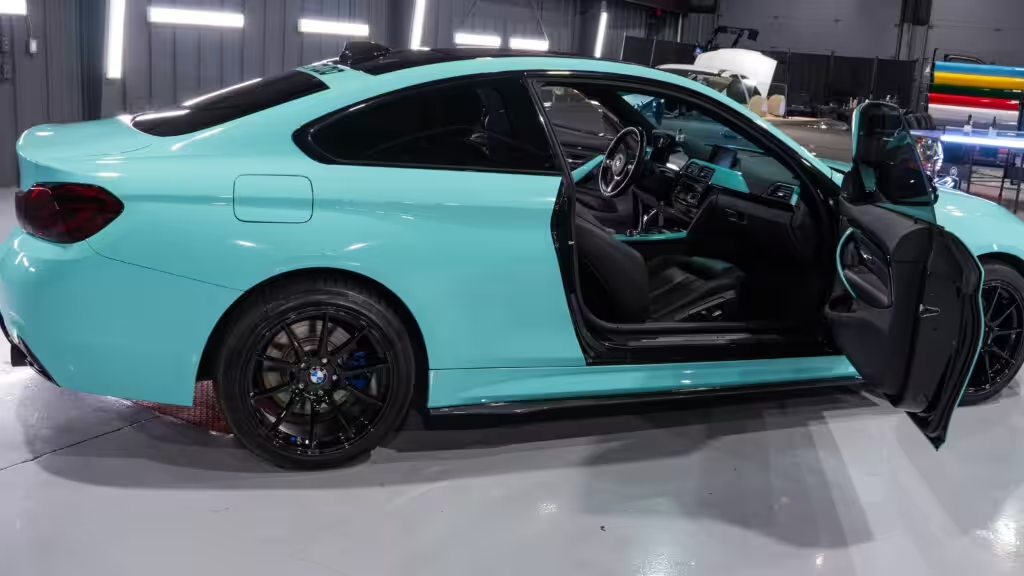
PPF customization has come a long way. Today’s esthetic options can match the visual appeal of custom paint jobs. The basic clear film options of the past have given way to countless appearance-enhancing possibilities.
Matte, gloss, satin, and textured finishes
Your car’s appearance changes completely based on the PPF finish you choose. Gloss PPF makes your factory paint shine brighter with intense reflection and vivid colors. A matte film gives your vehicle a completely flat, non-reflective surface that creates a bold, tactical look – particularly popular on performance vehicles and SUVs.
Satin PPF offers the best of both worlds. It’s not as reflective as gloss but retains more shine than matte. Luxury car owners increasingly prefer its silky, low-sheen appearance. This finish makes body lines stand out and doesn’t show fingerprints as much as matte options.
Textured PPF adds unique tactile elements that boost both protection and visual appeal.
Color-infused and chameleon films
Color PPF technology has revolutionized vehicle protection by blending safety with style. Available options include:
- Solid Series: Gloss-finish colors inspired by luxury OEM paints
- Metallic Series: High-gloss finishes with rich metallic flake
- Liquid Series: Multi-dimensional finishes mimicking flowing liquid metal
- Color-Shift Series: Hues that change depending on viewing angle
Chameleon PPF represents the latest advancement, showing different colors based on lighting conditions and viewing angles. This optical color-shifting technology creates customization effects that traditional wraps can’t match while maintaining full protection capabilities.
Personalization for EVs and luxury cars
Tesla owners and other luxury vehicle drivers particularly benefit from customized PPF. Tesla’s thinner paint needs extra protection, making PPF an essential addition.
Colored PPF gives high-end vehicles both unique style and practical benefits. Unlike vinyl wraps that only change appearance, colored PPF shields against rock chips, scratches, and environmental damage.
PPF has evolved beyond mere protection to become a primary tool for vehicle personalization.
Opportunities for installers, shops, and distributors
The PPF industry creates excellent business opportunities in the automotive aftermarket sector. Detailing shops and dealerships can tap into this growing market that shows promising potential.
PPF as a profit center for detailing shops
PPF installation creates strong revenue potential. A typical front-end PPF installation on a Tesla Model 3 requires USD 550 for materials and labor but generates USD 1,250-1,500 in retail pricing. This results in USD 700-950 profit. Technicians can earn around USD 235 profit per hour – much higher than traditional detailing services. Many shops see their business grow by 30-50% within six months after adding PPF services.
OEM and dealership partnerships
Car manufacturers now understand PPF’s value. Dealerships combine PPF smoothly as a high-margin F&I product that creates new revenue without affecting service operations. Some programs handle the complete process from sales to installation while dealers earn their share from each sale. Strategic collaborations with companies like XPEL provide training and installation management solutions that help dealers succeed.
Training, certification, and factory-direct sourcing
Professional training proves to be a smart investment. Detailed courses cost from USD 1,399 for simple training to multi-week certification programs. These programs include tools, materials, and practical instruction with expert trainers. Direct factory sourcing eliminates middlemen and offers competitive pricing without compromising quality. Several manufacturers have operated since 2012 and export to over 50 countries with flexible purchase options.
Conclusion
Paint protection film has risen from a niche product for luxury vehicles to become a mainstream solution for car owners of all types. Market numbers tell a compelling story – the industry’s value of USD 105.04 million in 2023 will reach USD 1.1 billion by 2025. This remarkable growth comes from several breakthrough developments that have redefined PPF technology.
Material science innovations have replaced old PVC films with better TPU alternatives. These new films can heal themselves, stay crystal clear, and resist yellowing – solving the biggest issues that plagued older protection films. On top of that, graphene and ceramic additions have redefined the limits of performance by creating barriers that repel contaminants while keeping that showroom shine.
Smart PPF marks another breakthrough. These films now come with embedded sensors that monitor your vehicle’s condition and send immediate alerts about threats through mobile apps. Your vehicle care becomes proactive rather than reactive, which saves money and keeps your car looking its best.
AI and automation have revolutionized the application process. Modern 3D scanning captures millions of measurements each second while machine learning creates optimal cutting patterns that waste nothing. This technology reduces mistakes, makes installation faster, and ensures quality results on every vehicle.
Eco-conscious drivers will appreciate the new biodegradable TPU materials and non-toxic adhesives. Many films now contain up to 77% recycled materials without losing any protective qualities. Your car stays safe while reducing its environmental footprint.
Style options have grown significantly. You can now choose between matte, gloss, satin, textured, and color PPF finishes beyond the standard clear films. This means protecting your investment while showing off your unique style.
The future of PPF looks bright as we approach 2026. Dealers now offer it as standard equipment, insurance companies value its ability to reduce claims, and social media keeps spreading awareness about its benefits.
Here’s what matters: PPF has grown from basic protection into sophisticated technology that maintains your vehicle’s value. It makes financial sense to protect your investment, whether you drive a Tesla or a Toyota. ID Protection offers detailed PPF installation services using innovative materials that shield your vehicle from environmental damage and keep it looking new.
PPF technology advances rapidly, and one fact remains clear – this former luxury extra has become a crucial part of smart vehicle ownership. Your car deserves the best available protection.