You might wonder if paint protection film makes sense when quality PPF can defend your car for up to a decade. The proof shows up quickly – after just one year, PPF-protected parts of your vehicle stay free of rock chips, while unprotected areas show damage. This invisible shield makes a real difference in your car’s looks.
PPF works as a transparent self-healing film that shields your car’s painted surfaces. The protective barrier fights off UV rays, acid rain, surface scratches, oxidation, and hard water deposits. The original investment runs from $300 for partial coverage to $2,500 for fuller protection. Many car owners see these costs as worthwhile since PPF helps avoid expensive repainting work later.
Quality installation and proper care let PPF last between five to ten years. This makes it a smart way to protect your investment. New car owners often ask about PPF’s value. The answer lies in how safely it applies to factory paint compared to other protection methods. Beyond just costs, the real value comes from keeping your car’s showroom shine year after year.
What is Paint Protection Film (PPF)?
Paint Protection Film acts as an invisible shield that guards your car’s exterior from daily threats. Unlike regular wax or polish that wears off quickly, PPF is a transparent polyurethane film that creates a physical barrier between your paint and the outside world. This multi-layered defender absorbs impacts that would otherwise damage your vehicle’s finish.
How PPF works on your car’s surface
PPF serves as a sacrificial layer that takes bullets for your paint. The film absorbs and spreads impact energy from road debris to prevent chips and scratches from reaching your car’s surface.
The science behind PPF is the sort of thing I love. Your vehicle’s film elasticity takes the hit from small rocks or debris at high speeds without letting damage reach the paint beneath. Research shows quality PPF can withstand impacts as high as 120 mph without substantial damage.
PPF creates a barrier against environmental threats like bird droppings, bug splatter, and tree sap. It also contains UV inhibitors that block up to 99% of harmful ultraviolet rays to prevent your paint from fading and oxidizing over time.
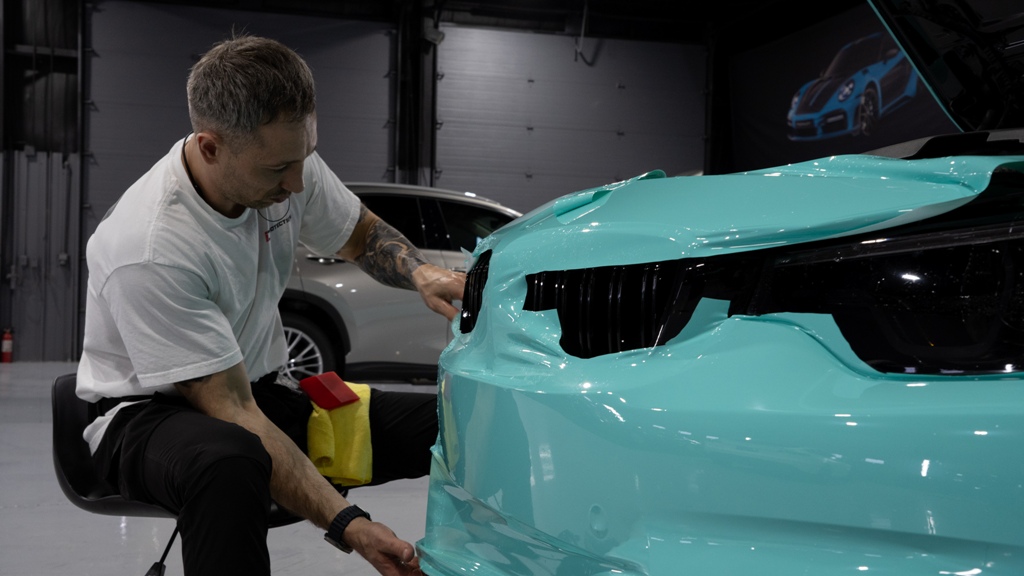
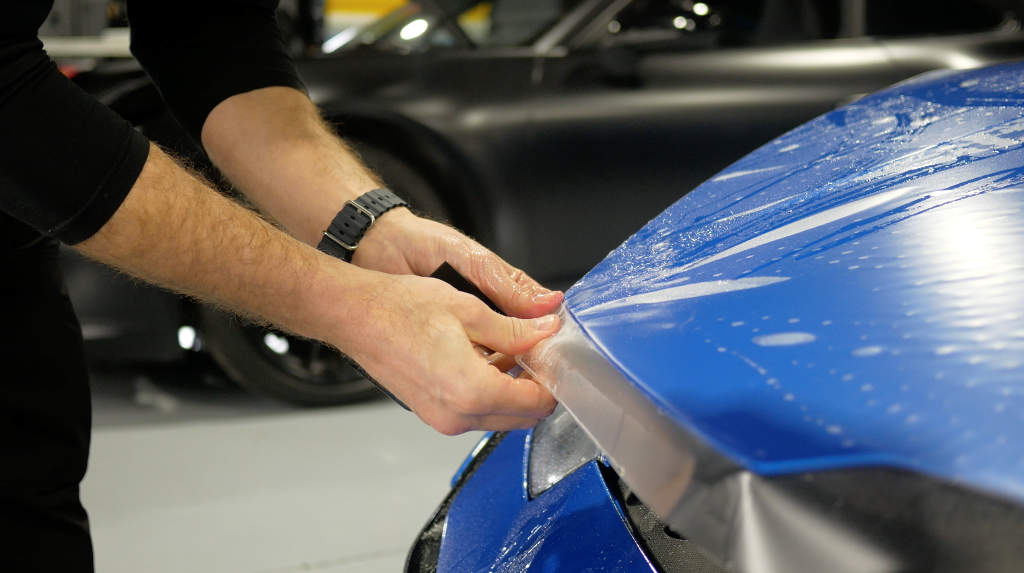
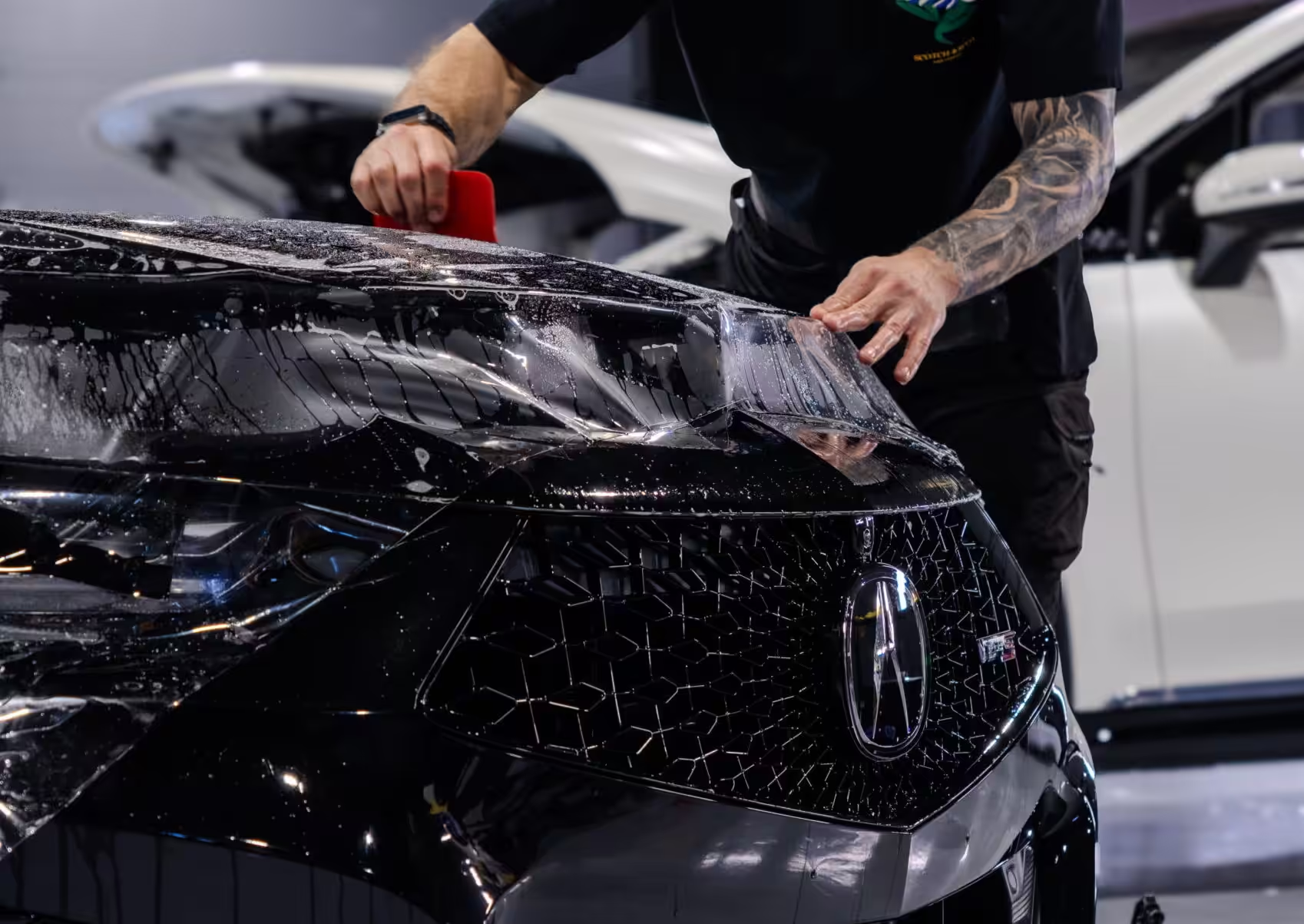
Professionals apply the film with heat, pressure, and slip solutions. This helps PPF conform perfectly to your car’s curves and contours for complete protection.
Types of materials used in PPF
We used Thermoplastic Polyurethane (TPU) in modern PPF because it offers the perfect balance of strength and flexibility. This material stands out because it’s:
- Tough enough to resist tears and punctures
- Flexible enough to wrap around complex curves
- Clear enough to maintain your paint’s appearance
- Strong enough to absorb impacts without damage
Quality PPF’s structure has several distinct layers:
A release liner protects the adhesive until installation. The adhesive layer creates a strong bond with your car’s paint without causing damage when removed. The core polyurethane layer provides the main protection. A specialized top coating boosts gloss and adds self-healing capabilities.
Manufacturers offer different formulations:
- Instant-healing films with advanced nanotechnology that repair scratches right away when exposed to heat
- Self-healing films with strong top coatings that fix minor damage when heat is applied
- Entry-level films that provide simple protection without extras like UV protection
Self-healing and hydrophobic properties
Modern PPF’s most impressive feature is its self-healing capability. The film’s elastomeric polymers in the top coat flow back to their original position when heat is applied to minor scratches or swirl marks, which erases the damage.
Special elastomers in the clear coating make this “magic” possible. These molecules remember their original, smooth state. They become more mobile and reorganize themselves when exposed to heat, from sunlight, engine warmth, or warm water, to remove visible scratches. This self-healing works about 50% faster at temperatures above 80°F (27°C) compared to cooler conditions.
Premium PPF has hydrophobic properties. Water beads up and rolls off the surface, taking dirt and contaminants with it. This feature keeps your car cleaner and makes maintenance easier.
Quality PPF can maintain its clarity and glossiness for over ten years while healing itself from minor damage. Many owners see this combination of protection and self-maintenance as a smart investment for their car’s appearance.
Is Paint Protection Film Worth It for Cars?
Car owners often wonder: “Is paint protection film worth it for my vehicle?” The answer depends on how much you value your car’s looks and future worth. PPF creates a clear barrier between your car’s paint and everyday hazards. Many drivers find the original investment worthwhile because of its multiple benefits.
Protection against rock chips and scratches
Your car faces a constant barrage of debris while driving. PPF works like an invisible shield that absorbs impacts before they reach your paint. This protective layer takes the beating so your factory finish stays pristine.
The film’s flexibility spreads impact forces across its surface instead of letting them focus on one spot of your paint. Research shows cars with PPF get up to 80% fewer visible paint chips and scratches than vehicles without protection.
PPF becomes even more valuable thanks to its self-healing abilities.The film’s special polymers bounce back to their original state when exposed to heat or sunlight, which makes minor scratches vanish. So your car keeps its showroom shine without needing constant touch-ups or fixes.
PPF does more than just block rocks and road debris. Your paint stays safe from:
- Acidic bug splatter and bird droppings
- Paint-fading UV rays
- Damaging hard water spots
- Small parking lot mishaps
Preserving resale value
Money talks. A pristine exterior makes buyers willing to pay more for your car. Cars with perfect paint can sell for up to 15% more than those with lots of damage. This boost in value usually tops the original cost of getting PPF installed.
Think about the other option: fixing damaged areas with new paint. Quality paint jobs cost thousands of dollars. PPF stops damage before it happens instead of paying for repairs later. Prevention beats correction every time.
“Would you rather pay once for protection or multiple times for repairs?” This simple question shows why PPF makes financial sense. Research proves cars with PPF need up to 50% fewer paint-related fixes over five years.
Luxury and high-performance vehicles benefit even more from PPF. Premium cars hold their value better when they look flawless. A perfect finish helps protect your investment.
Peace of mind for new car owners
That perfect paint on a brand-new car feels amazing. But the first rock chip can crush your spirit. PPF gives you more than physical protection – it provides peace of mind.
New car owners feel much less stressed when they know their vehicle has protection against daily hazards. You can focus on enjoying your drive instead of worrying about where to park or which roads might damage your car.
PPF’s benefits extend to cleaning too. Its water-repelling properties make maintenance easier. Your car keeps that showroom shine with less work.
Highway commuters and drivers on gravel roads find PPF especially valuable. These routes guarantee paint damage over time without proper protection. Since a new car ranks among your biggest purchases, protecting that investment makes sense.
To summarize, PPF proves its worth for people who care about their car’s looks, want top resale value, and need peace of mind. The upfront cost pays off through damage prevention, better value retention, and fewer repair bills.
Where Should You Apply PPF on Your Car?
You need to think strategically about where to apply PPF on your vehicle since some areas need more protection than others. Picture a football coach planning defensive coverage – you’ll want to focus on the spots that are most likely to get damaged.
High-impact zones: bumper, hood, mirrors
Your car’s front bumper acts as the first defense against road debris. It faces a constant barrage of rocks, sand, insects, and other flying objects at high speeds. The numbers tell us that around 30% of all collision repairs involve front bumpers. PPF helps these elements bounce off without damaging your paint.
Your hood takes a beating on every drive, particularly along its leading edge. Research shows that all but one of these hood damages come from road debris. Most PPF installers suggest either:
- Full hood coverage to protect everything
- Coverage of the front 18-24 inches where you’ll see the most hits
Side mirrors might look small, but they’re easy targets. These outer components catch passing debris, brush against bushes, and get knocked in tight parking spots. About 20% of vehicle accidents leave side mirrors damaged. PPF application runs $100-$150 per mirror – a small investment to protect these exposed parts.
Your car’s other vulnerable spots include:
- A-pillars (those slender columns next to your windshield)
- Fenders (the area behind front wheels needs extra care)
- Rocker panels (they sit close to the road surface)
Full-body vs partial coverage
Your budget, driving habits, and long-term vehicle plans should guide your choice between full and partial PPF.
Partial PPF targets strategic protection. A typical partial package shields your front bumper, partial hood (18-24 inches), front fenders, and side mirrors. This package works well for daily commuters who want solid protection without spending too much.
Luxury or high-value vehicles benefit from full-body PPF that offers maximum protection.
This complete option shields every painted panel on your car and creates an unbroken protective barrier.
These scenarios might help you decide:
- Luxury or high-value cars need full PPF to maintain their worth and looks
- Daily commuters do well with partial PPF focused on the front
- Cars that see occasional use might need minimal PPF
Full PPF costs more initially but gives you total peace of mind. The uniform coverage also prevents visible aging differences between protected and unprotected areas.
PPF for headlights and door edges
People often forget about headlights, yet replacing them isn’t cheap. Modern headlight assemblies can set you back hundreds or even thousands of dollars. PPF on these vital components stops yellowing, oxidation, and stone chips while keeping them clear.
Door edges and handles face different challenges. Tight parking spots put your door edges at risk every time they open. Keys and rings leave scratches behind door handles. These small marks add up over time.
Door edge PPF costs little but saves you from annoying damage. The pros say door edges and handles rank among the most commonly damaged spots that drivers leave unprotected.
Other spots that need PPF protection include:
- Trunk ledges that get scraped during loading
- Door handle cavities that jewelry and keys scratch up
- A-pillars that catch debris on highways
Paint protection film’s value depends on how you use your car. Highway drivers need solid front-end protection, while city drivers might want to focus on door edges and handles.
The question “should I buy paint protection” becomes easier to answer once you know your car’s weak spots. Most owners start by protecting high-impact zones and add more coverage later as needed.
How Much Does Paint Protection Film Cost?
Many car owners experience sticker shock when they first hear how much PPF cost. Understanding the complete cost picture helps you decide if paint protection film is worth investing in your specific situation.
Cost range: $300 to $2,500+
PPF pricing changes based on how much of your vehicle needs coverage. Here’s a simple breakdown:
- Partial front coverage: $600-$1,200 for vulnerable areas like partial hood, bumper, and fender sections
- Full front-end protection: $1,500-$3,000 covering the entire front bumper, hood, fenders, mirrors and headlights
- Track package: $2,000-$4,000 including front-facing areas plus side skirts (popular for sports cars)
- Full vehicle protection: $5,500-$8,000+ for complete exterior coverage
Smaller spot treatments are more affordable. To cite an instance, PPF on just your hood might cost $400-$1,000, while mirror protection runs about $100-$150.
The price tag might look steep at first, yet many owners see the value in protection. As one PPF owner says: “Would you rather pay once for protection or multiple times for repairs?”
Factors affecting price: area, brand, installer
PPF installations vary in cost, even for similar vehicles. Your final price depends on several factors:
Vehicle size and complexity: Larger vehicles need more material, which increases costs. Luxury or exotic cars with intricate designs need precise work. A Porsche 911 GT3RS installation costs around $240 for just the front end due to its complex panels and cutouts, while a Tesla Model 3 costs $180.
Film quality: Premium films with self-healing properties cost between $7-$10 per square foot. Standard films cost $2-$5 per square foot. Higher-quality options offer better clarity, UV protection, and longer warranties.
Installer expertise: Expert professionals charge more but their precision reduces bubbling or peeling risks. Labor rates range from $50-$150 per hour, and full installations take 10-20 hours.
Geographic location: Urban areas and regions with higher living costs have higher installation prices. You’ll pay more for PPF installation in Los Angeles than in a rural town.
Is it cheaper than repainting?
This math makes sense quickly. Quality repaint jobs on damaged areas cost thousands. One customer’s comparison revealed:
- Cost of repainting front-end damage: $1,250
- Cost of PPF front-end protection package: $750
- Total savings from prevention: $500 (40%)
PPF works like an insurance policy for your paint. You save money and avoid the hassle of finding a body shop, arranging other transportation during repairs, and dealing with color matching issues.
High-end vehicles make an even stronger case. Luxury car repaints can cost over $10,000 for premium finishes. PPF also keeps the factory paint intact, which boosts resale value. Most drivers find that PPF pays for itself by avoiding one or two major paint repairs. The upfront cost seems reasonable after you think about the alternatives and peace of mind it brings.
How is PPF Installed?
The proper installation of PPF makes the difference between amazing results and total disappointment. Just like baking a soufflé, your technique matters more than the ingredients you use.
Gel, soap, and sealant methods
PPF installers use three main application methods, each with its own benefits. The slip solution method mixes water with either baby shampoo (1.5-2ml) or dish soap (1ml) in a liter of distilled water. This creates a slick surface that lets you position everything just right before the film sticks.
The installation gel method gives you better control during application. As one installer puts it, “PPF is installed with what we call a ‘tack and slip’ solution”. The gel lets the film “float” on the surface, which makes repositioning easier and cuts down on trapped air bubbles.
Some installers add a sealant solution as the final touch to make it last longer. This protection works at the molecular level and guards against pollutants, tar, insects, and environmental damage once UV light activates it.
Here’s how a typical installation goes:
- Surface preparation (cleaning, clay bar treatment)
- Precise cutting of PPF to fit vehicle contours
- Application of slip/tack solution
- Careful positioning of the film
- Squeegeeing out air bubbles and excess solution
- Heat application to activate adhesive and self-healing properties
The PPF needs 48-72 hours to cure completely. You should avoid washing or putting pressure on the film during this time.
DIY vs professional installation
You might wonder if you can install PPF yourself. The short answer is yes, but it’s like asking if you could do your own dental work. Sure, it’s possible, but you might not like the results.
DIY kits range from $100-$1000, which saves money compared to professional installations costing $1500-$8000. Notwithstanding that, the skill requirement remains steep. “PPF installation isn’t beginner-level detailing,” one expert points out.
DIY installation comes with these challenges:
- Precise cutting and alignment
- Preventing contamination under the film
- Managing stretching around curves
- Eliminating air bubbles and fingers
- Working in a dust-free environment
Professional installers use specialized tools and expertise. They have computer-guided vinyl cutters for exact patterns and clean rooms to prevent contamination. Their installations usually include warranties that cover bubbling, peeling, and discoloration, something you won’t get with DIY.
DIY might work fine for small areas like door handles or headlights. Full panels or complete coverage need professional installation to get your money’s worth. DIY installations succeed about 60% of the time, which means two out of five attempts don’t meet expectations.
What makes a good install?
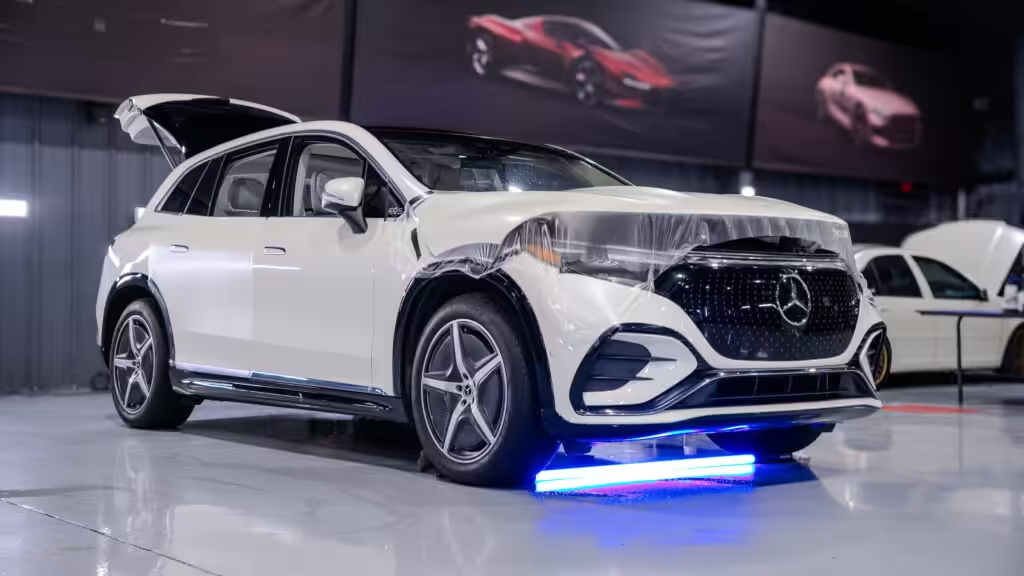
A quality PPF installation is like good plastic surgery, you shouldn’t be able to tell it’s there. The film should look almost invisible, without bubbles, wrinkles, or edges showing.
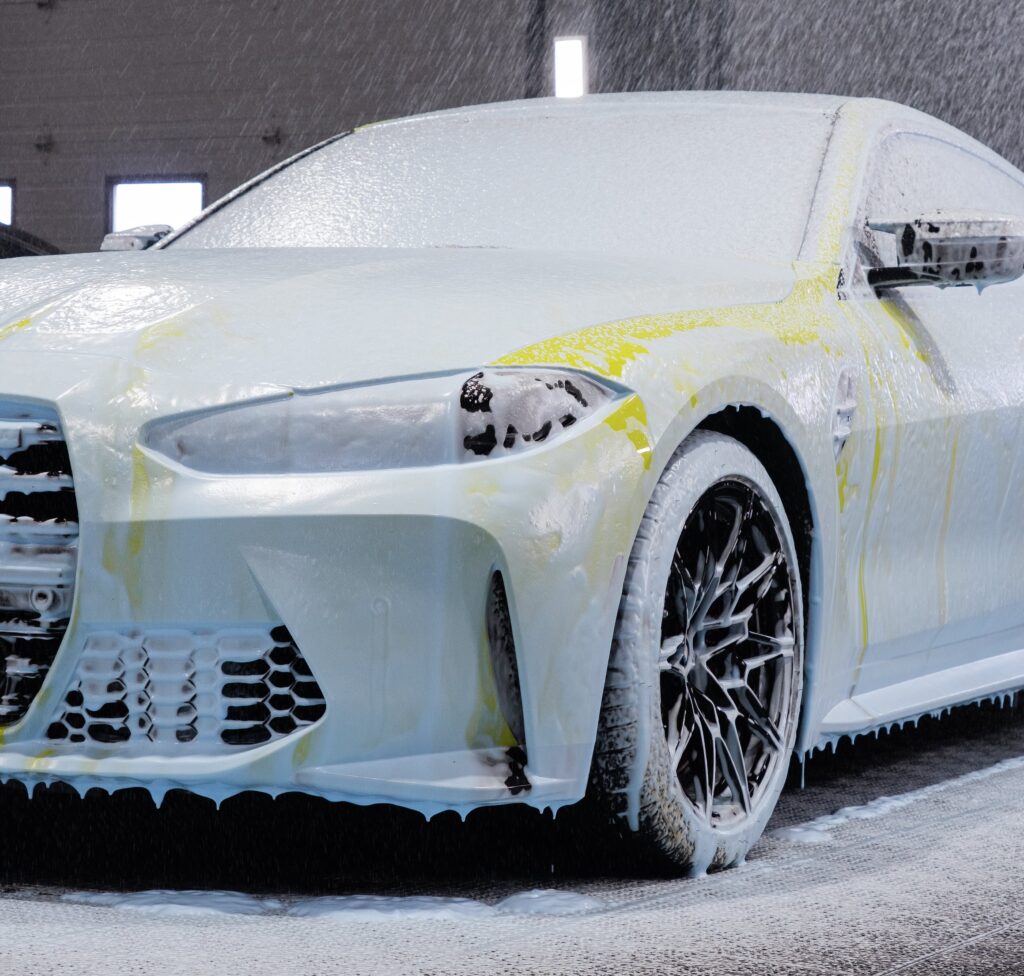
The best installers start with thorough prep work. They get rid of all wax, tar, and contaminants with adhesive cleaner and clay bar treatment. Next, they clean the surface carefully with non-ammonia foaming glass cleaner before starting.
Edge wrapping shows you the installer’s quality. Less skilled installers might cut corners by stopping at panel edges, leaving gaps unprotected. The best ones take off parts like taillamps and door handles to wrap PPF naturally around edges.
Good maintenance helps your film last longer after installation. Wait at least 72 hours before washing your car. After that, stick to touchless car washes or hand washing with pH-neutral soap.
Bad installation leads to bubbling, lifting edges, and early yellowing. Professional installers help you dodge these issues and make sure your investment lasts 5-10 years with proper care.
How Long Does PPF Last and How to Maintain It?
Your PPF investment’s clock starts ticking right after installation. Good care can make its protective powers last much longer. Paint protection film guards your vehicle’s finish like a faithful watchdog. Even the most loyal guards need proper support to work their best.
Typical lifespan: 5 to 10 years
High-quality paint protection films last 5 to 10 years with proper care. Premium films come with warranties that stretch from 7 to 10 years, showing their durability. People usually sell or trade their vehicles every 8 years. This means many PPF owners enjoy its benefits without problems throughout their car’s ownership.
Your film’s lifespan depends on several factors:
- Environmental conditions: Extreme temperatures and high UV exposure can reduce PPF life
- Household glass cleaners with ammonia damage clear coat
- Driving habits: Track days and off-roading wear the film faster than highway driving
- Material quality: Premium films last longer than standard options
Many drivers have kept their PPF looking great for 10-12 years through careful, consistent care.
Maintenance tips to extend durability
Your PPF needs regular cleaning. It’s like dental hygiene – prevention works better than treatment. Clean your vehicle every 1-2 weeks with pH-neutral car shampoo to stop contaminant buildup. The two-bucket method works best. Use one bucket with soapy water to clean and another with clear water to rinse your wash mitt.
Dry your vehicle after washing with an electric blower or plush microfiber towel. This stops water spots from forming and becoming hard to remove.
These maintenance practices help:
- Clean bird droppings, bug splatter, and tree sap right away to prevent permanent damage
- Apply PPF-safe sealant every 6 months to improve protection
- Park your vehicle in a garage to minimize UV exposure
- Let minor scratches heal by parking in sunlight or using warm water (120°F)
Isopropyl alcohol works well on tough stains. Use it much of either and only on the film. Keep it away from painted surfaces.
What to avoid after installation
The first 30 days are vital for proper adhesion. During this time:
- Wait at least 72 hours before washing your vehicle
- Stay away from extreme temperatures (below 32°F or above 100°F) that affect bonding
- Don’t use waxes, sealants, or other chemical products for 30 days
- Avoid gravel roads or areas with lots of debris
Some practices can damage your PPF even after curing. Automatic car washes with stiff brushes can scratch the film and catch edges. Keep pressure washers at least 3 feet from the film surface.
Avoid abrasive cleaning materials and harsh chemicals with ammonia or acids. These can make the film yellow or peel too soon.
PPF’s longevity makes it a smart investment. With good care, it protects your vehicle for up to a decade while preserving its appearance and value.
PPF vs Ceramic Coating vs Vinyl Wrap
Picking between PPF, ceramic coating, and vinyl wraps is like choosing between a shield, armor, and fancy clothes for your car. Each one does something different and comes with its own benefits.
Protection level comparison
PPF is the undisputed champion of physical protection. The thick polyurethane layer (about 8 mils or 200 microns) takes the hits from rocks, road debris, and minor scrapes that would normally damage your paint. It works like a self-healing shield – small scratches just vanish with a bit of heat.
Ceramic coating takes a different approach. Instead of blocking physical impacts, it creates a chemical shield against UV rays, oxidation, and chemical stains. Though it’s thinner than PPF (just a few microns), it creates a hard shell that keeps contaminants away.
Vinyl wraps mostly change how your car looks but also give some protection. They work as a protective layer that takes minor scrapes, but they can’t heal themselves like PPF. They do help with UV protection and make your car easier to clean.
Esthetic differences
Want that head-turning shine? Ceramic coating gives you the most impressive glossy finish, that “wet look” that makes colors stand out. Your car’s paint looks deeper and more reflective, and water beads right off to keep it cleaner longer.
PPF tries to stay invisible. Good quality films keep your paint looking original without changing its color or feel. Some newer films can add a bit of shine, but they’re really all about protection.
Vinyl wraps change everything about your car’s look. You can go from matte black to chrome or any custom design you want. If you want to change colors and get protection too, colored PPF is the new kid on the block, it guards your paint while giving you style options.
Can you combine PPF with ceramic coating?
You bet, and most pros say it’s the best way to protect your car. This combo gives you everything: PPF blocks physical damage while ceramic coating fights off chemicals and makes your car look amazing.
Most installers put PPF on first, then add ceramic coating over it. This two-layer approach works great because:
-
- You get protection from both physical and chemical damage
- Water beads off more easily, so cleaning is a breeze
- Your PPF lasts longer because it won’t yellow from UV damage
- The paint looks deeper and shinier
PPF makes sense for areas that get hit by rocks (bumper, hood). Other parts of your car might do fine with just ceramic coating, which looks better anyway. The value of paint protection film really comes down to what your car faces on the road and how much you care about keeping it pristine.
Top Paint Protection Film Brands to Consider
Paint protection films vary significantly in their protective capabilities. The right brand choice significantly determines your car’s long-term protection level.
XPEL ULTIMATE
XPEL stands at the forefront of the PPF industry with its remarkable self-healing technology. Scratches on XPEL films naturally disappear after exposure to heat or sunlight. The Ultimate Plus series delivers exceptional clarity and maintains its glossy finish longer than other options. XPEL’s popularity among luxury vehicle owners stems from its superior UV resistance and comprehensive 10-year warranty.
3M Pro Series
3M pioneered automotive PPF technology by developing the first urethane films during the Vietnam War. The Scotchgard Pro Series excels in durability and impact resistance. Its low orange peel makes the film practically invisible, particularly on white cars. The brand’s product line includes both gloss and matte finishes that complement different paint types.
Suntek and Llumar
Eastman Chemicals owns both these prominent brands. Their surfaces repel water exceptionally well, droplets simply roll away. Though their warranties last 5-7 years compared to competitors’ 10-year coverage, drivers value their crystal-clear appearance and high-gloss finish.
ID Protection’s PPF services
Toronto paint protection film installation studio ID Protection uses only premium-grade materials that meet industry durability standards. Their installers receive extensive training at XPEL headquarters. This specialized expertise results in flawless finishes that resist environmental damage effectively.
Conclusion
Paint protection film is a smart investment that keeps your vehicle looking pristine for years. This piece shows how PPF creates an invisible shield against countless threats – from highway debris to environmental contaminants. Colored PPF actively safeguards your paint and heals itself from minor damage, unlike traditional protection methods.
The numbers tell the real story. Upfront costs range from $300 for partial coverage to $8,000 for full-body protection. This cost is nowhere near as expensive as repainting jobs later. Cars with protected finishes also sell for up to 15% more than those with visible wear and tear. PPF simply pays for itself as time goes by.
Your PPF investment will protect your vehicle for 5-10 years with proper care. All the same, you need to follow maintenance guidelines. Regular washing with pH-neutral soap, quick removal of contaminants, and staying away from harsh chemicals will make it last much longer.
Professional installation really makes the difference. DIY kits might look tempting for your wallet, but professional precision and expertise justify the higher cost. You should ask yourself – would you rather pay once for quality protection or multiple times for repairs and reinstallation?
PPF stands out from ceramic coating and vinyl wraps through its physical impact resistance. Many car owners find their perfect solution by combining PPF with ceramic coating. This gives them physical protection underneath with chemical resistance and extra gloss on top.
The value of paint protection film really comes down to how much you care about your car’s appearance and future worth. PPF is a great match for new car owners, daily highway commuters, or anyone wanting to maintain their vehicle’s value. Your car stays showroom-fresh while you enjoy the drive without worrying about every flying pebble.