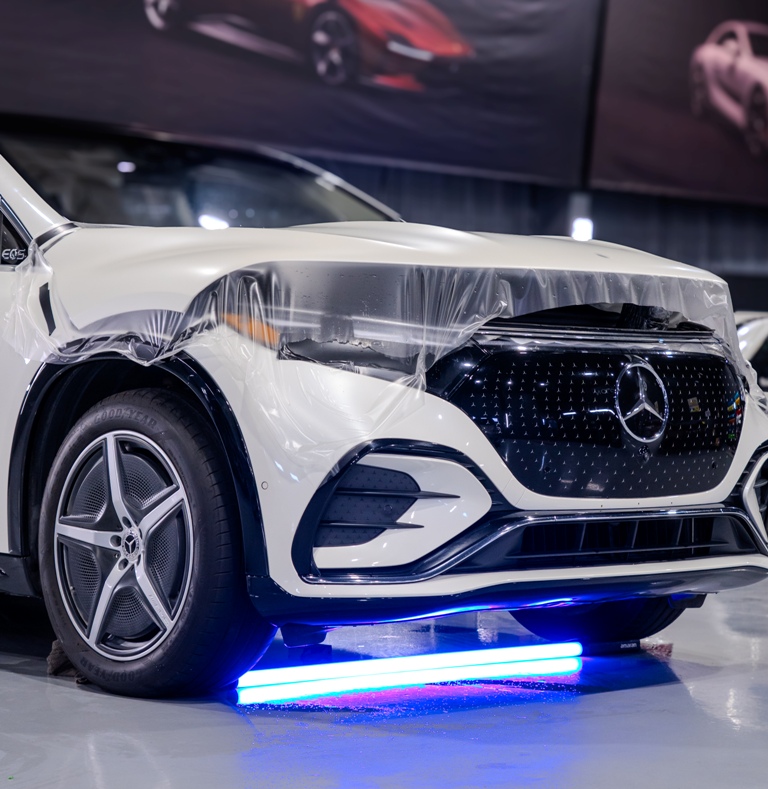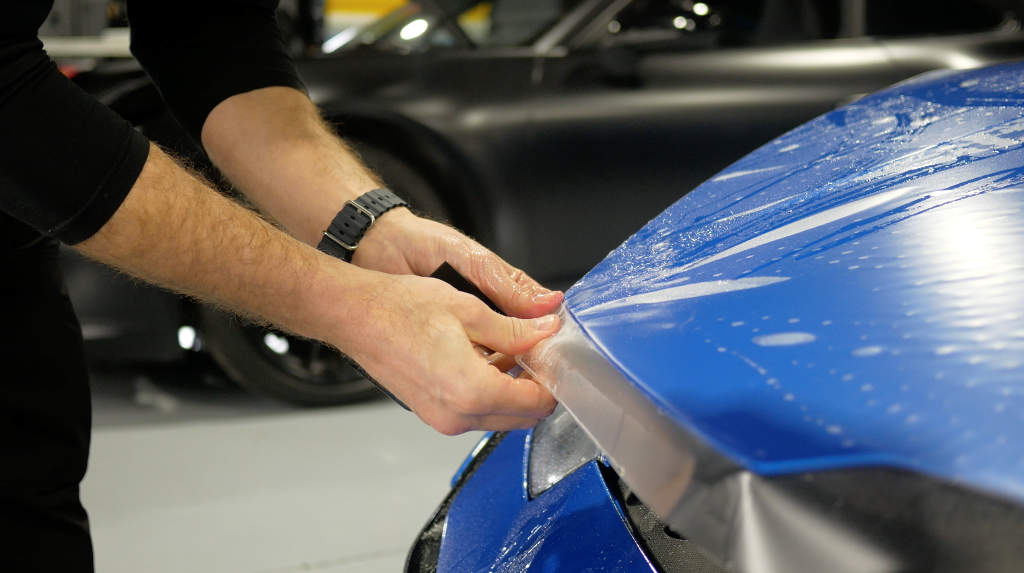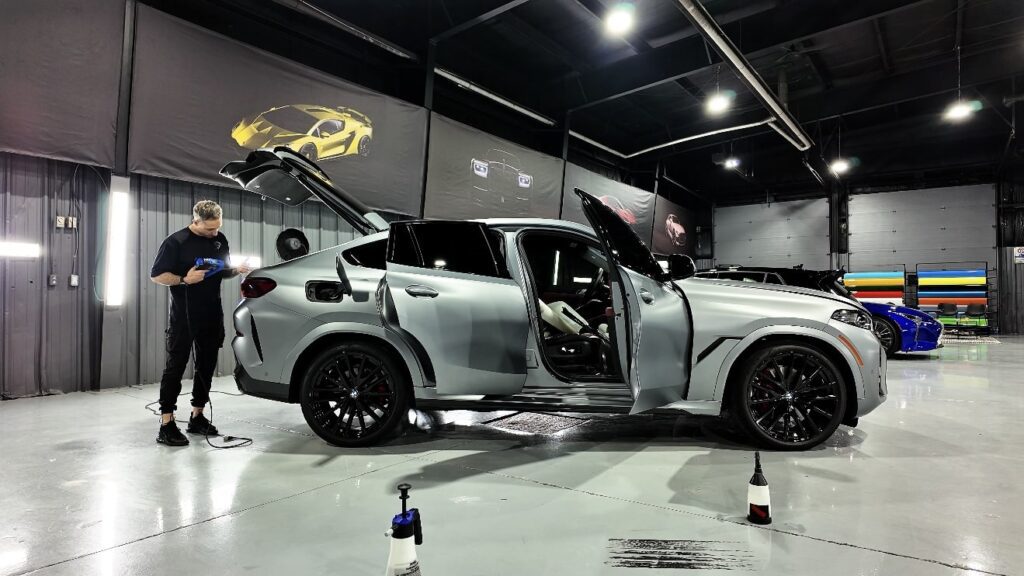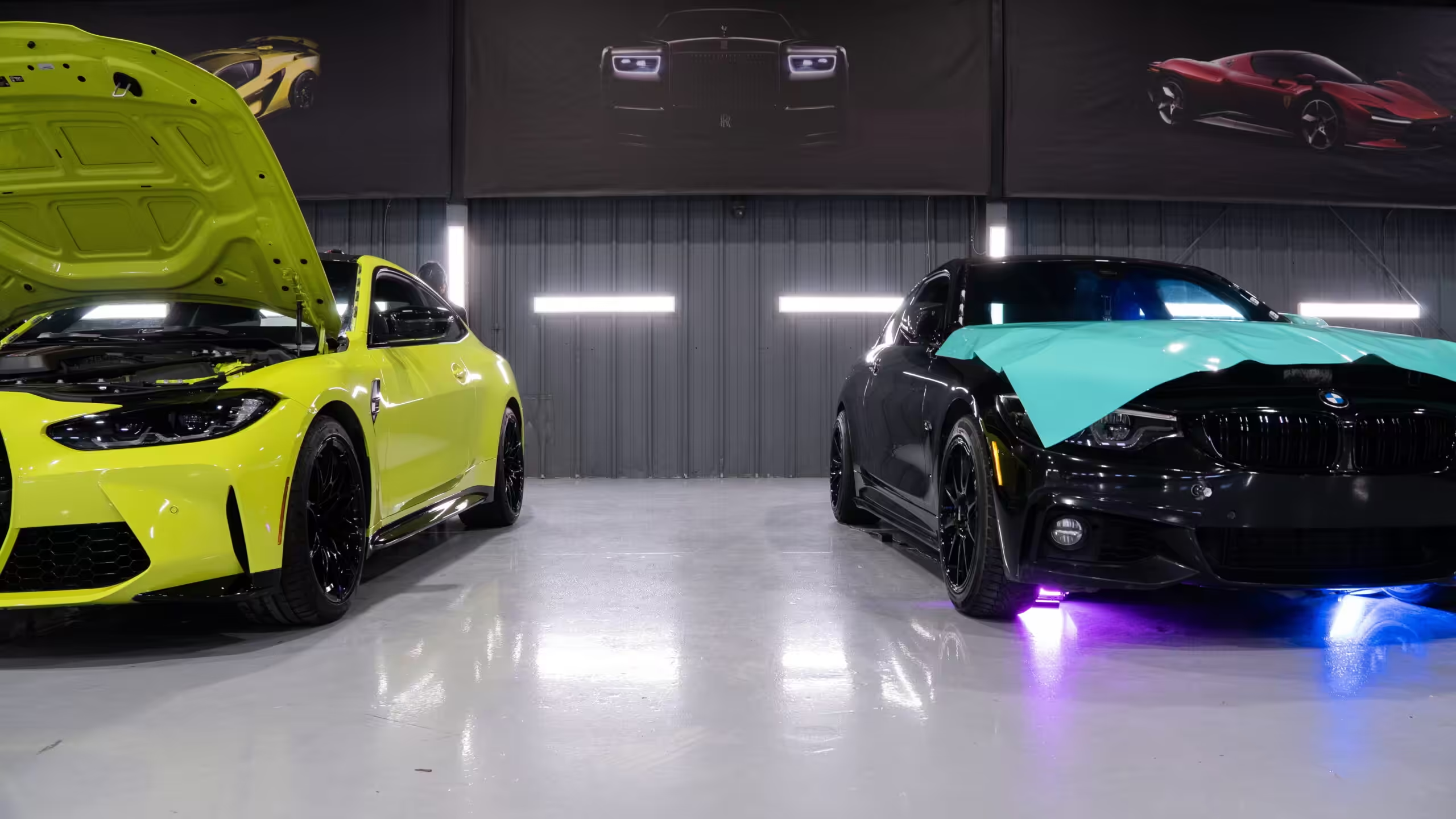
The automotive protection world is changing faster than ever. PPF paint protection trends are revolutionizing the industry, which experts project will hit $1.48 billion by 2028. White films used to rule the market but now make up less than 30% of sales in major regions. Gray and beige options have started taking the lead.
Modern PPF technology has come a long way. These films now feature an 8–10 mil multi-layer TPU construction with built-in pigments and self-healing top coats. They last longer too – warranties now stretch 5 to 10 years compared to vinyl’s modest 3–5 years. The global car PPF market keeps growing strong. North America and Europe lead the charge as industrialized countries accelerate the adoption of premium vehicle PPF products.
The future of automotive customization looks bright through 2025. You’ll find colored PPF that lets you personalize your ride while protecting the paint. Urethane has become the go-to material because it resists scratches, chips, and peeling better than alternatives. This piece covers everything about PPF’s future – from color trends and vehicle-specific applications to technological breakthroughs that will shape your car’s protection and looks.
The Rise of PPF in Modern Vehicle Protection
Paint protection film’s trip from battlefield to boulevard tells a fascinating tale of state-of-the-art solutions. The story starts not in auto shops but amid the chaos of the Vietnam War during the 1960s.
From military use to mainstream adoption
The first version of PPF emerged because the US military just needed a way to protect helicopter rotor blades from flying debris and shrapnel. 3M stepped up with a durable, lightweight urethane film that could handle harsh conditions. Some industry veterans still call PPF “helicopter tape” because of its military roots.
PPF stayed mostly a military tool for years after proving its worth in ground zones. The switch to civilian use happened slowly. 3M had refined the technology by the late 1970s to work for commercial uses. Race car teams became PPF’s first automotive fans in the 1980s. They used it to protect their vehicles from track debris.
These early automotive films worked but were nowhere near perfect. They were thick, hard to apply, and yellowed sometimes. Notwithstanding that, they offered protection that traditional methods couldn’t match.
A breakthrough happened in the 1990s and early 2000s. Companies poured money into better technology and created films that were clearer, more flexible, and lasted longer. The 2010s brought self-healing technology – a game-changer that let PPF fix minor scratches with heat.
Modern PPF has evolved into an advanced multi-layered product with:
- Self-healing properties that remove surface scratches
- Better UV protection to stop yellowing
- Better clarity and flexibility for smooth application
- Hydrophobic coatings that make maintenance easier
The market grows faster now, with global PPF revenues projected to cross USD 1.1 billion by 2025. It should grow about 6% each year through 2030. North America guides this growth through luxury car ownership and dealership adoption. Europe follows closely with its focus on sustainability, along with the booming Asia-Pacific market.
Why PPF is different from traditional wraps
People often think PPF is just a clear version of vinyl wrap. These products are actually quite different and serve separate purposes.
The material itself sets them apart. PPF uses polyurethane, which protects by a lot better than vinyl wraps. PPF’s thickness (usually 6-10 millimeters) makes it heavier – a full-body application adds up to ten pounds to a vehicle’s weight.
Protection comes first with PPF, not looks. Its military background helps it shield against rock chips, debris, and minor scratches while keeping the vehicle’s appearance unchanged. Modern PPF also has self-healing technology that makes minor scratches vanish with heat.
PPF lasts much longer too. Quality PPF can protect for up to 10 years, while vinyl wraps typically last 3-5 years. This extended protection makes PPF a great way to get value especially when you have luxury and high-end vehicles worth protecting over time.
The installation process is also quite different. PPF needs professional installation, special training, and precise tools. This expertise makes it cost more – partial coverage starts around $700, with full vehicle protection reaching up to $9,000.
The move toward PPF shows how buyer priorities have changed. Car owners now value long-term protection and resale value more than just making their cars look different. This trend grows stronger as luxury vehicles and electric cars become more popular, making perfect factory finishes a priority.
Social media shows off automotive detailing transformations, which helps more people learn about PPF. This pushes demand from car enthusiasts to everyday drivers. What started as military innovation has become the gold standard to protect discerning vehicle owners’ cars.
Color and Finish Trends in PPF
Vehicle customization has moved beyond traditional vinyl wraps, and color PPF stands at the forefront in 2025. Paint protection films now do more than invisibly guard vehicles – they make bold fashion statements with unique personalities. Let’s explore the color palettes and finishes making waves this year.
Satin warm neutrals
Texture dominates the automotive aftermarket scene, and satin finishes have quietly claimed the #1 spot among enthusiasts who want a refined look. These finishes reduce glare and make body lines stand out, creating that desirable factory “frozen paint” appearance.
Warm neutrals command attention for good reason. Google Trends data shows “satin PPF” searches have steadily grown in the last year. The films blend practical benefits with an upscale esthetic that matches premium manufacturer offerings like BMW’s Frozen series.
Fingerprints and dust become less noticeable, making maintenance easier.
Popular satin neutral tones include:
- Champagne Gold
- Desert Sand
- Warm Silver
- “Greige” (gray-beige blends)
These colors work beautifully on both luxury sedans and rugged SUVs. Pantone’s 2025 Mocha Mousse shade captures this trend perfectly – a medium-toned neutral with subtle reddish undertones that “grounds and comforts”.
Vibrant teals and turquoises
Bold teal and turquoise hues lead the pack for statement vehicles. These blue-green tones strike a perfect balance between technology and nature, creating both futuristic and calming effects.
Hyundai sparked this trend with its eye-catching “Digital Teal Green” on the Ioniq 5 EV, which quickly became a conversation piece. The appeal reaches beyond young drivers – eco-conscious consumers choose these earth-inspired tones to reflect their sustainability values.
Manufacturers now offer these shades in both glossy and matte finishes.
Muted metallics and liquid metal
The year 2025 brings increased interest in sophisticated metallic finishes that provide metal-like sheen without chrome’s flashy mirror effect. These “liquid metal” films create a hyper-reflective, fluid-like finish that mimics polished metal flow.
Refined luxury defines the palette: aged silvers, pewter grays, gunmetal, muted golds, and rose golds. PROFECTION and RGBG Films have developed specialized liquid metal lines. RGBG offers seven distinct liquid metal colors alongside nine standard metallic options.
Color-shift (chameleon) films
Color-shifting PPFs guarantee attention. These “chameleon” films display multiple colors that change with viewing angle and lighting conditions.
Purple-to-green shifts, teal-to-gold gradients, and pink-to-blue transitions lead the popular combinations. Specialized pigments refract light to create dynamic paint effects without custom iridescent paint jobs’ cost or permanence.
Car enthusiasts embraced these films first, but mainstream adoption grows steadily. Night car meets and auto shows showcase these films’ true potential as artificial lights make colors dance. These films give shops targeting car show participants or individualistic drivers a compelling sales advantage.
Social media platforms love the holographic and iridescent effects’ futuristic, multi-dimensional visual experience. Videos showing these color-changing properties often go viral, creating valuable marketing opportunities for installers.
Vehicle-Specific PPF Styling
Each vehicle type needs its own PPF approach based on design, use, and what owners want. The PPF landscape keeps changing in 2025, and installers now focus on solutions that match each vehicle’s specific protection needs.
Sports cars and exotics
Exotic cars mean more than just transportation, they’re most important investments with both money and emotional value attached. Ferrari, Lamborghini, and Porsche owners want nothing less than perfect PPF installations.
These high-performance machines need PPF to:
- Shield against rock chips during high-speed driving
- Keep factory finishes pristine
- Protect the resale value of limited production vehicles
- Guard against track day debris
Exotic cars have complex exterior surfaces with aggressive angles, deep scoops, and intricate contours. Professional installers use pre-cut templates and custom-stretching techniques to achieve smooth coverage without lifting or bubbles.
“A minor scratch on a regular vehicle might be shrugged off, but on a Ferrari or Lamborghini, it can severely impact resale value and esthetic appeal,” notes a PPF specialist. Full-body wraps cost between $5,000-$20,000 for exotic vehicles, money well spent given their expensive replacement parts.
Luxury sedans and GTs
More luxury car owners now choose PPF as a premium protection option that keeps their vehicle’s elegance intact. These high-end sedans and grand tourers work best with films made specifically for their sleek body lines.
Luxury vehicles benefit from PPF in several ways:
- Protection that blends with the factory look
- Self-healing features that remove swirl marks on dark paint
- Protection that lasts longer than traditional waxes and sealants
- Choices for complete coverage or specific high-risk areas
PPF makers have responded with luxury-focused products. New films with “liquid metal” finishes create a flowing, polished metal look that matches luxury sedans’ sophisticated lines.
Electric vehicles (EVs)
EVs have pushed PPF demand up for good reasons. Many electric vehicles come with softer paint that’s prone to swirl marks and scratches. Tesla’s cars are known for their delicate paint that really needs extra protection.
EVs’ aerodynamic design creates unique challenges. “EVs feature smoother, more painted front ends with minimal grilles or vents, great for aerodynamics, but terrible for paint protection,” explains one industry expert. Without traditional front cooling parts, more painted surfaces face road debris.
EVs with large glass roofs or panoramic panels work well with specialized PPF. This reduces heat, blocks UV damage, and keeps visibility clear. Many EV owners also protect their large touchscreens, piano black trim, and carbon fiber accents with interior PPF.
SUVs and trucks
SUVs and trucks make up a growing part of the PPF market beyond exotic sports cars. These bigger vehicles face different challenges than sports cars, from off-road debris to city parking lot risks.
Truck and SUV PPF now comes with tougher films that handle:
- Gravel roads and off-road driving
- Higher ride height that exposes more surface to debris
- Cargo loading that can mark rear bumpers and liftgates
- Contact with brush and branches during trail rides
Ford GT owner Karl Brauer says PPF “makes sense for any specialized vehicle with potential long-term value or appreciation”. This applies more and more to special-edition trucks and SUVs that owners want to keep pristine.
PPF companies now make specific options for truck beds, rocker panels, and A-pillars, areas that take more hits on larger vehicles. Some even offer tinted PPF that matches these vehicles’ tough look while protecting the finish.
Technology Trends in Paint Protection Film
PPF technology keeps getting better, and three state-of-the-art features stand out in today’s market. These improvements aren’t just marketing hype – they’re changing how PPF works to protect your vehicle.
Self-healing capabilities
The most impressive PPF feature lets films fix minor scratches and surface marks on their own. This amazing technology uses special polymers in the film that respond to heat. These polymers use heat from the sun or your car’s engine to make scratches vanish.
The science is pretty cool. The advanced polymers in self-healing PPF move and reshape when heat hits them. This molecular shift smooths out surface marks and makes your film look brand new. Most small scratches disappear in an hour if you leave your car in direct sunlight.
Several leading manufacturers have mastered this technology:
- XPEL’s industry-leading self-healing films defend against rock chips and scratches
- 3M’s innovative technology causes minor scratches to vanish
- STEK’s DYNOshield can be healed with heat or hot water
Self-healing isn’t just about looks. Your film stays protective even after getting scratched up, unlike old-school protection that would weaken with each mark.
Hydrophobic coatings
PPF technology has another game-changing feature – hydrophobic properties. These coatings make water bead up and roll right off, taking dirt with it.
The science behind this is really interesting. Hydrophobic coatings create a low surface energy that pushes water away instead of letting it spread. Cleaning your car becomes much easier – you can rinse off most dirt instead of scrubbing away at tough spots.
STEK’s DYNOshield comes with a “ceramic-infused topcoat that provides hydrophobic water beading properties.” This makes cleaning quick and simple. You’ll spend less time washing, and there’s less chance of getting swirl marks, so your car keeps that showroom shine longer.
These hydrophobic features add extra protection from environmental damage. Cars in areas with acid rain or heavy pollution benefit because contaminants can’t stick to the paint. You get more than just impact protection.
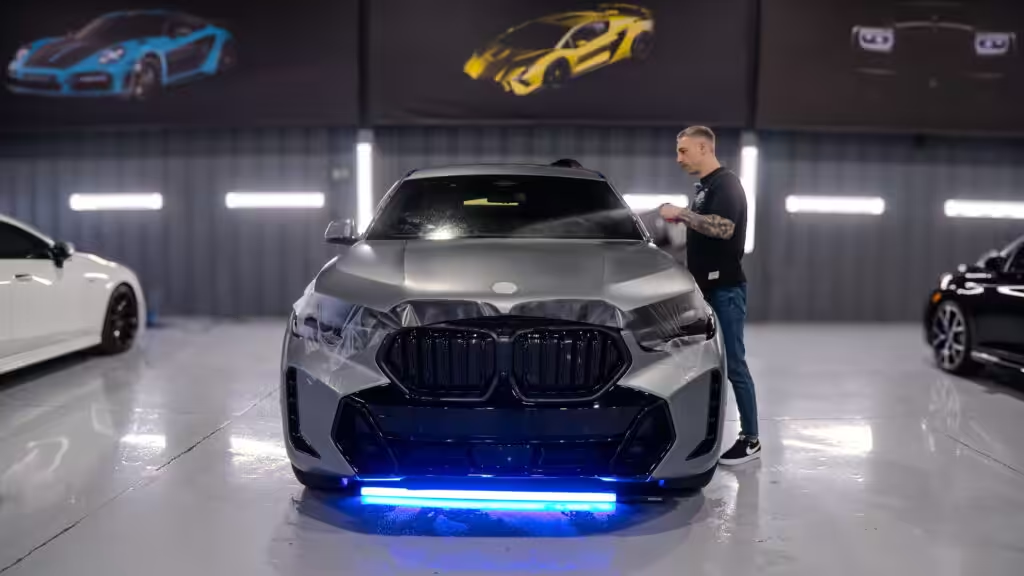
Eco-Friendly and Sustainable PPF Materials
PPF manufacturers now create eco-friendly alternatives that protect vehicles and the environment. The industry’s eco-friendly practices show a clear change from traditional petroleum-based materials to solutions with smaller carbon footprints.
Bio-based and recyclable films
Plant-based materials, rather than petroleum, lead the latest PPF breakthroughs. Manufacturers now produce bio-based films from renewable resources like corn or sugar cane. These “Green PE” materials deliver the same protective qualities as conventional films and are better for the environment.
Green PE delivers remarkable climate benefits. Each ton of material binds three tons of atmospheric carbon dioxide, which cuts carbon emissions by about 60% compared to traditional PE films. Car owners can now reduce their environmental footprint without losing protection quality.
XPEL PPF supports sustainability through recyclable materials. The film can be removed and recycled after its protective life cycle ends, which prevents additional landfill waste. Eco-conscious drivers appreciate this contribution to the circular economy as it lines up with their environmental values.
Reducing environmental impact in production
Manufacturing processes have evolved to minimize environmental harm. Leading companies have invested in closed-loop production systems that cut waste and reuse water during manufacturing.
Manufacturing improvements include:
- Renewable energy sources for factory operations
- Thinner films that protect equally well with fewer raw materials
- Lower emissions throughout production
- Water-based adhesives with fewer harmful chemicals
Many brands now use water-based, non-toxic adhesives instead of solvent-based ones. This makes installation and removal safer for installers and better for the environment.
PPFs’ manufacturing efficiencies provide environmental advantages. Extrusion and roll-to-roll processes use less energy and create less waste than conventional spray-paint systems. These methods help achieve sustainability goals by reducing greenhouse gasses, waste, and energy use.
Modern PPF manufacturers focus on environmentally responsible formulations without harmful chemicals and solvents. This makes PPF safer for installers and vehicle owners while helping the environment.
Shops offering PPF services get a great chance to attract environmentally conscious customers. Green products are becoming customer priorities, and businesses can stand out by showing their steadfast dedication to sustainability through eco-friendly PPF options.
Smart PPF: The Next Frontier
Paint protection film is getting smarter, not just better. PPF manufacturers used to focus on making their products durable and attractive. Now they want to add intelligence to their products. This transforms passive protection into systems that actively monitor your vehicle.
Sensor-enabled films for up-to-the-minute damage alerts
Smart PPF uses ultra-thin, flexible micro-sensor networks built into traditional paint protection film layers. These advanced sensors track several environmental and physical factors:
- Surface temperature fluctuations
- Pressure and stress on the film
- Moisture or humidity exposure
- Impact force detection
- UV radiation levels over time
IoT systems power this state-of-the-art technology by connecting your vehicle’s surface to your smartphone. A typical smart PPF setup has embedded micro-sensors, wireless communication modules (usually Bluetooth or NFC), and an easy-to-use mobile app that sends you alerts.
“Traditional Paint Protection Film is passive, whereas Smart PPF provides active protection. You don’t have to check your car daily anymore, the system will alert you if there is any surface impact, structural tension, or weather damage,” notes one industry report.
The benefits are a big deal as they mean that you can catch problems early by monitoring your vehicle’s exterior constantly. This helps spot issues from loose edges needing reseals to impacts that might damage the paint beneath. Your phone alerts you with messages like “Surface temperature has exceeded safe limits – consider moving your vehicle to shade” or “Detected impact on rear panel – inspect for possible damage”.
BMW leads this technological race. They’ve applied for a patent on conductive PPF that spots scratches and alerts drivers right away. Their system uses a “conductive scratch-sensitive skin” that notices changes in electrical current when something breaks the surface. This technology helps especially when you have tight parking spots in cities where damage often goes unnoticed.
Color-changing films for impact detection
The sort of thing I love is the new color-changing PPF technology. These films create a visual warning system by changing their appearance after hard impacts.
Special compounds in these detection films change color or transparency when physical forces get too strong. This shows car owners right away that something hit their vehicle, even if there’s no visible damage.
You could call it a bruise for your car, a clear sign that something needs attention. This helps spot those parking lot dings that you might miss until rust starts showing up.
Car enthusiasts get peace of mind when parking their vehicles. The color change proves if someone bumps their car while they’re away, which helps with insurance claims or finding who did it.
Smart PPF technologies aren’t accessible to more people yet. One industry observer notes, “Of course, we’re not there just yet. While some companies are experimenting with sensor-infused automotive films, the market is still developing”. In spite of that, PPF clearly moves from passive protection to active monitoring.
Over the last several years, these technologies have become more refined. Your car’s exterior might soon match the intelligence of its internal systems.
How Installers Can Leverage PPF Trends
Smart PPF shops know how to turn trends into profits. The PPF market now goes beyond clear films into color and innovative technologies. Your installation business can become a game-changer by taking the right steps today to turn current trends into reliable revenue streams.
Inventory planning for trending finishes
A smart inventory strategy looks ahead at customer preferences. The popular 2025-2026 finishes show these emerging color trends:
- Satin finishes: greige (gray-beige blend) and warm neutrals
- Vibrant options: teal and turquoise tones
- Metallic options: muted silvers and liquid metal effects
- Sample kits of color-shift films
“Knowing the trends is half the battle,” notes industry experts. Your shop gains a competitive edge with early adopters when you’re first to market with exciting finishes. These customers naturally spread the word about your services.
Showroom updates and demo panels
Clients need hands-on experience with PPF to understand its value. Professional demo kits with actual painted metal panels can boost your conversion rates significantly. Many suppliers offer demonstration tools that:
- Include scratch and stain resistance tests with wire brushes and markers
- Come in professional presentation cases to impress clients during consultations
- Allow side-by-side comparisons of different film types
Swatch boards and demo panels on hood sections or bumpers help inspire customers who might not think about colored or specialty PPF. These visual aids make benefits real and tangible – you show rather than tell clients about self-healing properties.
Training for new film types
PPF techniques must evolve with new products. Colored and specialty films need precise handling to avoid visible flaws. Manufacturers offer detailed training programs for different skill levels:
Some companies run multi-day courses that cover everything from basics to advanced techniques. These programs teach vehicle preparation, solution application, tool usage, and pattern cutting. Other training options combine business strategies with technical skills to help optimize profit margins while reducing waste.
Jason from Film Training Academy explains that good training teaches installers to “identify good film and bad film, foresee areas of concern before they happen, and make sure that film waste is as minimal as possible”.
Marketing strategies for color PPF
Your PPF supplier should work as your marketing partner, not just a material provider. Quality suppliers provide co-branded materials including ads, banners and social media content.
These marketing approaches work well:
- Partner with local car dealerships, auto detailers and car clubs
- Create exclusive packages for luxury car owners
- Host educational workshops highlighting PPF benefits
- Feature your work at local auto expos and car events
RGBG and similar suppliers help installers grow through promotional support, exclusive colors, and business development resources. These mutually beneficial alliances often bring pre-qualified buyers directly to your door.
Why Choose ID Protection for PPF Installation
A flawless finish or a pricey mistake – your choice of PPF installer makes this difference. Your vehicle needs professional-grade protection from technicians who excel at their craft offering colored PPF installation services, PPF training and PPF for Tesla and other vehicle brands.
Certified installers and training programs
Factory-trained technicians consistently deliver better results. ID Protection installers go through demanding programs to become skilled at PPF application techniques. “Our team is factory-trained by leading brands, so your warranty stays valid,” note industry professionals. Many companies run complete 2-day programs that move beyond simple concepts into advanced techniques. These sessions teach proper vehicle preparation and specialized installation methods for both dry and wet applications.
Access to premium color and clear PPF
Professional installers give you access to top-tier films with outstanding performance. Quality shops stock premium product lines that offer durability and strong warranty terms. PPF trends now include colored options, and certified installers receive special access to exclusive films before market release. This early advantage helps you remain competitive with state-of-the-art options.
Warranty and aftercare support
PPF lifespan extends significantly with proper aftercare. Warranty periods require annual inspections to maintain coverage. These checkups include exterior washing, decontamination, and professional inspection. Quality warranties protect against manufacturing defects like yellowing, cracking, blistering, delamination, and adhesive failure. Professional installers explain your coverage clearly and provide continuous support – they don’t just hand over a warranty card.
Conclusion
Paint protection film has come a long way from its military roots to become a sophisticated automotive asset. Modern PPF does nowhere near as little as provide simple defense against road debris. On top of that, today’s films combine superior protection with visual customization options that weren’t possible a few years ago.
New colored films open up exciting ways to express your personality. Your options now include satin warm neutrals, vibrant teals, liquid metals, and color-changing varieties that revolutionize your vehicle’s look while protecting its value. PPF has evolved into both a smart investment and a style statement.
AsTechnology continues to redefine the limits of what’s possible. Self-healing surfaces automatically remove minor scratches, and hydrophobic coatings keep vehicles cleaner with minimal effort. These benefits now extend to all vehicles – from daily drivers and luxury sedans to EVs and rugged trucks.
The technology’s future looks promising with smart PPF and embedded sensors on the horizon. Your car’s protective layer might soon alert you to impacts or environmental threats before damage occurs. Modern eco-friendly materials deliver the same protection with a reduced carbon footprint, benefiting both your vehicle and the environment.
Working with qualified professionals who use premium products and have installation expertise will give you the best outcome. A well-installed film can protect your car’s finish for up to 10 years, preserving its appearance and resale value.
PPF has evolved beyond its modest beginnings. This battlefield technology now stands as the gold standard in automotive protection. As innovation continues, your vehicle can benefit from advances that combine defense, esthetics, and smart technology into one invisible shield.