Your car can have invisible armor thanks to ceramic coating that uses advanced silicon dioxide technology to protect its paint in surprising ways. Car enthusiasts and detailers talk about it often, but its benefits reach way beyond what most people understand.
A ceramic coating is a chemical polymer solution that bonds with your car’s paint either permanently or semi-permanently. The coating creates a nano-thin, glass-like layer that locks into place after it cures. Traditional waxes wash away in a few months, but ceramic coatings can last years if you manage to keep them in good condition.
Your car’s ceramic coating offers more than just simple protection. The coating shields against UV rays and chemical stains, and creates a hydrophobic surface that makes raindrops form tight beads. These beads roll off and take dirt with them. The coating also changes your car’s appearance in sunlight by deepening paint color and creating a mirror-like gloss. Even regular cars look like they just rolled out of the showroom.
This piece reveals eight hidden benefits of ceramic coating that most car owners overlook. You’ll learn about its real limitations and discover how to maximize value from this remarkable paint protection technology.
What is Ceramic Coating and How Does It Work?
Ever wondered how a clear liquid turns into a super-hard shield that protects your car’s paint? Ceramic coating isn’t just another car care product. This state-of-the-art chemistry provides exceptional protection through molecular science.
Definition and chemical composition
Ceramic coating is a liquid polymer solution that bonds with your car’s paint to create a protective layer. Most ceramic coatings have silicon dioxide (SiO₂) – the same compound found in quartz. The amount ranges from 10% to 85% of the formula. These microscopic materials are the foundations of the coating’s amazing durability.
The chemical mix goes beyond that. Titanium dioxide (TiO₂) makes it transparent and more durable, so your car’s true color shines through. Polysiloxanes serve as vital binders that lock the coating to your car’s surface. These silicone-based polymers (like polydimethylsiloxanes or PDMS) give the coating its glossy finish, heat resistance, and UV stability.
Picture ceramic coating as a scientific sandwich. Each layer protects your paint in its own way. The formula has solvents that evaporate during application and leave behind that hard protective shield.
How it bonds with car paint
The sort of thing I love comes next. Unlike products that just sit on your paint, ceramic coating creates real chemical bonds through cross-linking. This stuff doesn’t just stick to your paint – it becomes part of it!
The coating’s nanoparticles range from 1 to 100 nanometers wide. They’re small enough to flow into every tiny crack in your clear coat. These particles are about 1/50th as thick as a human hair, yet they merge with your paint surface.
Magic happens during the curing process. Silicon-based molecules contain reactive groups that go through hydrolysis when they meet air moisture. They turn into silanol groups. These react with each other or with hydroxyl groups on the clear coat through condensation. The result creates strong Si-O-Si bonds (siloxane bonds) that lock the coating to your car.
A detailer once said: “Right away, you’ll begin to see the ‘rainbow effect’ as the coating bonds to the paint and begins to dry”. This curing process needs controlled conditions – temperatures between 65-75 degrees work best.
Difference between ceramic coating and wax
Your grandpa’s carnauba wax doesn’t come close to ceramic coating. The main difference? Wax just sits on top of your paint through physical adhesion. Ceramic coating creates a chemical bond that becomes part of the clear coat.
This difference affects how long they last. A proper ceramic coating job can last 2-5 years or more. Wax needs new application every 1-3 months. One expert puts it well: “Ceramic coatings measure their protection in years, while wax measures in months”.
Ceramic coating creates a water-repelling surface with contact angles between 91° and 120°. Water beads up and rolls off, taking dirt with it. Traditional waxes do this too at first but break down much faster.
Protection levels are nowhere near the same. Ceramic coatings fight off heat, UV rays, and environmental contaminants better than wax. They’re also harder – many reach 9H pencil hardness ratings, the highest in the industry. This protects against minor scratches and swirl marks that would damage an unprotected surface.
Simply put, ceramic coating doesn’t just make your car look good. It creates a molecular shield through advanced chemistry that wax can’t match.
The 8 Hidden Benefits of Ceramic Coating
Ceramic coating does more than just make your car shine. Car owners rarely hear about its amazing benefits that go way beyond the glossy finish. The coating provides scientific protection that revolutionizes how your vehicle handles daily challenges.
1. Long-term UV protection
The sun silently damages your car every day. Your vehicle’s surface stays protected because ceramic coating contains specialized UV inhibitors that reflect harmful rays. Quality ceramic coatings can block up to 90% of damaging UV rays, which is nowhere near the 20-30% protection that traditional wax provides. Your car’s paint maintains its rich vibrancy for years instead of months, even under harsh sunlight.
2. Resistance to chemical stains
Real life throws everything at your car, bird droppings, tree sap, bug splatter, and industrial fallout contain acids that can damage your paint. A chemical-resistant barrier forms from ceramic coating to guard against these threats. The coating’s molecular structure creates a shield that stops these substances from bonding with your paint. You’ll feel more confident parking under trees full of birds, knowing your finish has protection from those harsh compounds.
3. Hydrophobic surface for easy cleaning
The water-repellent nature of ceramic coating stands out as one of its most striking features. This isn’t just for show, it’s science at work. The coating creates a surface with a water beading angle that can reach up to an impressive 100 degrees. Tight water beads form and roll off, taking dirt and contaminants with them instead of leaving spots. The coating’s surface tension makes it hard for water and grime to stick, creating a self-cleaning effect.
4. Boosted gloss and color depth
Ceramic coating transforms your car’s appearance. A reflective surface intensifies your car’s colors, making them pop and catch everyone’s eye. This happens as ceramic particles fill tiny imperfections in the clear coat to create a smooth surface that reflects light better. Your car gets a mirror-like, wet-looking finish that makes older vehicles look fresh from detail.
5. Reduced need for frequent washing
Ceramic coating helps you save time and water. Treated cars stay cleaner up to six months longer than those with traditional waxing. CarCare.org found that 75% of users washed their cars less often after applying ceramic coatings. Dirt doesn’t stick to the slick surface, making washing quicker and easier, many owners use 70% less effort during washes.
6. Protection against oxidation and fading
Paint becomes dull and chalky over time due to oxidation. An oxygen-tight barrier forms between your paint and the atmosphere with ceramic coating. Oxygen molecules can’t reach the paint surface, which slows down the chemical process causing oxidation. Cars with minor existing oxidation benefit too, ceramic coating preserves the remaining paint integrity while stopping further damage.
7. Minor scratch and swirl resistance
Your car won’t become scratch-proof, but ceramic coating adds real protection against everyday wear. Most quality ceramic coatings hit 9H on the pencil hardness scale, the highest possible rating. This hardness helps protect against minor scratches and swirl marks from washing and daily use. The coating acts as a sacrificial layer that takes damage instead of your paint, keeping the finish looking better longer.
8. Improved resale value of your vehicle
Money talks, cars with ceramic coatings often sell for up to 20% more than those without. Buyers connect a well-preserved exterior with better overall vehicle condition. Paint quality matters a lot, ceramic-coated vehicles can keep up to 80% of their original paint quality after five years. This means you’ll get a great return on your investment at sale time.
What Ceramic Coating Can’t Do
The ceramic coating hype is real, but let’s talk about what it can’t do. Car owners should know these limitations before they spend their money.
It doesn’t prevent all scratches
That 9H hardness rating on ceramic coatings sounds great but isn’t what you might think. Your car gets some protection from small scratches during washing and daily drives, but keys, shopping carts, and rocks will still leave their mark. The coating adds just 1-2 microns to your paint thickness – that’s about 1/50 of a human hair. This tiny layer can’t block serious damage.
Your ceramic-coated car won’t stop:
- Door dings in parking lots
- Scratches from branches or bushes
- Rock chips from highway driving
- Scratches from hard objects
Lab tests show that premium ceramic coatings can only handle scratches up to 2H pencil hardness in real-life conditions, despite what those 9H marketing claims suggest. The hardness actually refers to how well it resists chemical etching, not physical damage.
It won’t eliminate water spots
The way water beads up and rolls off looks amazing, but there’s a catch. Water that sits on your ceramic-coated surface too long can still leave spots behind, especially when you have hard water full of minerals.
This is what happens: water evaporates and leaves calcium, magnesium, and other minerals stuck to the coating. Hot weather and longer sitting time increase the chances of spots forming. Even the best coatings with 110-degree contact angles can’t stop water from sitting on flat surfaces sometimes.
On top of that, water spots will show up if you don’t dry your car after washing. Professional detailers often see water spots on ceramic-coated vehicles left to dry in the sun.
It doesn’t replace regular maintenance
In stark comparison to this marketing hype, ceramic coating isn’t a magic shield that protects your car forever. Your coated car needs regular care – just different from what an uncoated car needs.
You should wash your car every 2-3 weeks. The coating makes cleaning easier but doesn’t keep dirt away forever. Too much buildup can make the coating less effective.
The “self-cleaning” feature only works during rain or car washes – dust and pollen will still settle on your parked car.
Tree sap, bird droppings, and industrial particles need quick removal. The ceramic coating helps protect against these, but they can still damage the surface if left too long.
Your car needs inspections every 6-12 months. You’ll notice the coating’s water-beading effect weakening over time – that’s when you need maintenance. Many installers check your coating’s condition and apply a “topper” to refresh the protection.
Think of ceramic coating as a high-tech raincoat for your car. It offers great protection but doesn’t eliminate the need for care. Understanding these limits helps you appreciate what ceramic coating really offers: excellent but not magical protection.
Ceramic Coating vs Wax and Sealants
Car owners have three main choices to protect their paint: ceramic coatings, wax, and sealants. Each one protects differently, so let’s break down what makes them unique. This knowledge will help you pick the right option for your vehicle.
Durability comparison
These products last very differently from each other. Ceramic coatings are the champions of longevity and last 2-5 years with basic care. Traditional car wax needs a fresh coat every 1-3 months. Paint sealants bridge the gap between these two, giving you 4-6 months of protection before you need another layer.
The big difference comes from how these products stick to your car. Ceramic coatings create a chemical bond with your car’s surface at a molecular level. This forms a layer that’s almost permanent and fights off environmental damage. Wax just sits on top of the paint without any real bonding. Sealants stick better than wax but can’t match how ceramic coatings lock onto the surface.
Bad weather really shows what these products can do. Ceramic coatings keep fighting against UV rays, chemicals, and extreme temperatures long after wax and sealants give up. You measure ceramic coating protection in years, while wax protection only lasts weeks.
Gloss and finish differences
Your car’s looks matter, and each product leaves its own signature shine. Ceramic coatings give you a glass-like reflection that makes colors look deeper and clearer. This happens because the coating creates an incredibly smooth surface that bounces light better.
Detailers love the “warm glow” that wax creates – it’s a rich, deep shine that dark colors love. The downside? This beautiful finish starts fading as the wax breaks down. Sealants create a slicker, more artificial-looking shine that looks “sharper” than wax.
Ceramic coatings keep that fresh-from-the-detail-shop look much longer. A car care expert explained, “Colors look more vibrant because ceramic coatings magnify your car’s paintwork”.
Cost and maintenance differences
Money matters aren’t just about the price tag. Professional ceramic coating jobs run between $1,500 and $3,000, based on your car’s size and paint condition. DIY ceramic coating kits cost $70 to $300 if you want to save money. Spray-on ceramic products are the cheapest at $15-$30 per bottle.
Quality waxes and sealants cost much less up front – usually $15 to $40 per bottle. Professional waxing services range from $50 to $200.
The long-term costs tell a different story. You’ll need to reapply wax and sealants so often that these cheaper options end up costing more over time. A professional detailer puts it this way: “Ceramic coatings take more work at first but save you from repeated treatments for years”.
Maintenance needs are quite different too. Ceramic-coated cars stay clean longer and need less elbow grease thanks to their water-repelling surface. Dirt slides off more easily, making wash days quicker.
Ceramic-coated vehicles skip the regular polishing and buffing that waxed cars demand. While ceramic coatings still need some care, they make car maintenance much simpler. Sealants sit in the middle, needing more work than ceramic coatings but less than wax.
Your choice comes down to what matters most to you. Wax might be perfect if you enjoy regular detailing and want lower upfront costs. Sealants give you better protection without ceramic coating’s premium price tag. But ceramic coating gives you the best protection and lowest maintenance if you’re looking for long-term value.
How to Apply Ceramic Coating Properly
The right application technique makes a huge difference between a ceramic coating that lasts years and one that fails in months. Just like baking the perfect soufflé, you need to follow specific steps in the right order to get amazing results.
Surface preparation steps
Great preparation is the foundation of a successful ceramic coating job. Your coating won’t stick well, last long, or give good results if you skip the prep work. Start by washing your car with a wax-free, pH-neutral shampoo that removes any previous products. This step really matters – leftover waxes or sealants will block the coating from bonding with your paint.
After cleaning your car, you’ll need to tackle embedded contaminants:
- Use an iron remover to dissolve brake dust and industrial fallout
- Apply a clay bar or clay mitt to remove stubborn particles
- Think about paint correction to fix swirls and scratches
- Do a final wipedown with an IPA (Isopropyl Alcohol) solution
The IPA solution step is crucial. It removes any oils, silicones, or polishing residues that might remain. All your previous work could go to waste without this step. It’s similar to wiping down a wall before painting – you need a clean surface for the coating to stick properly.
Application process overview
You need patience and precision to apply ceramic coating correctly. The environment should be clean, dust-free and away from direct sunlight. Most coatings work best around 70°F with low humidity.
Shake the coating bottle really well before starting. Put the suede or microfiber cloth on the applicator and add 8-16 drops of coating. Work in small sections (about 2′ x 3′), and apply the coating in a cross-hatch pattern – first side to side, then up and down. This gives you complete, even coverage.
Something magical happens after application – the coating starts to “flash” with rainbow-like colors. These rainbow effects show that the coating is bonding with your paint. Wait 1-5 minutes based on temperature before moving forward.
The leveling process comes next. Use a clean, high-quality microfiber towel to remove excess coating with light pressure. Follow up right away with a second clean towel to avoid high spots or streaks. Good lighting helps check your work before moving to the next section.
Curing time and precautions
The curing phase needs patience. Your ceramic coating hardens in two stages: first the solvents evaporate, then the coating forms chemical bonds with your paint.
The original cure takes 24-48 hours, and your vehicle must stay completely dry during this time. Rain, washing, and morning dew are off-limits. Many coatings require you to avoid driving during this crucial period.
The complete curing process takes 7-14 days, depending on temperature and humidity. During this time:
- Keep the car away from water when possible
- Don’t park under trees that might drop sap or attract birds
- Stay away from automatic car washes
- Avoid harsh chemicals and detergents
Don’t worry if your coating gets dirty during this time. Clean the area gently with a pH-neutral spray and soft microfiber. The coating hasn’t reached full hardness yet as it’s still forming bonds.
Professional installers often suggest using a “topper” product after the initial cure to protect the coating while it fully hardens. This extra step will improve both performance and durability.
A ceramic coating needs time to reach its full protective potential, just like Rome wasn’t built in a day. Your patience and careful attention to these steps will reward you with years of protection and an amazing glossy finish.
Common Myths About Ceramic Coating
People believe many myths about ceramic coating as it becomes more popular. Let’s clear up some common misunderstandings that might affect your choice about this paint protection option.
Myth: It makes your car scratch-proof
“My car is completely bulletproof now!” – said no informed ceramic coating owner ever. This stands as the biggest myth in the detailing world. Ceramic coatings give you better scratch resistance than your vehicle’s clear coat alone, but they won’t make your car scratch-proof.
The truth? The coating protects against minor scratches, swirl marks, and light marring from regular washing, but it can’t stop deeper scratches. The science shows ceramic coatings rate 9H on the pencil hardness scale. This makes them harder than your vehicle’s clear coat (usually around 2H-4H), but they’re not invincible.
A ceramic coating works like a raincoat – it keeps you dry in light rain but won’t stop you from getting soaked in a thunderstorm. Your paint remains vulnerable to:
- Keys, shopping carts, and scratches
- Rock chips and major impacts
- Scratches from tree branches
Myth: You never need to wash your car again
This myth is like thinking your dishes clean themselves after you apply water repellent! Some people believe ceramic-coated cars stay clean forever.
Ceramic coatings create a water-repelling surface that makes water bead up and roll off with some dirt. Your vehicle stays cleaner longer. But don’t be fooled – ceramic coatings won’t make your car “dirt resistant”.
The core team of detailers suggest washing a ceramic-coated vehicle every two weeks. Your cleaning becomes easier and faster, but not optional. Picture a non-stick pan, food sticks eventually, just not as fast or as hard.
Myth: It’s only for luxury vehicles
“Ceramic coating is just for those fancy cars.” Wrong! Any car can benefit from this protective technology, no matter its make, model, or age.
You can apply ceramic coating to any car if the paint looks good. Older cars might need some paint correction before application, but everyone gets the same benefits.
Daily drivers and weekend cruisers alike can use ceramic coating’s protective features. Like sunscreen that works for everyone whatever their skin type, ceramic coating shields any paintwork from environmental damage, UV rays, and chemical contaminants.
Luxury car owners jumped on the trend first, which started this myth. Now the technology is available and helpful for all types of vehicles.
Maintaining a Ceramic-Coated Car
Your ceramic-coated car deserves proper care to keep its magic alive. A great haircut comparison comes to mind – the original application starts the journey, but regular maintenance keeps it looking stunning for years.
Washing techniques and products
Your ceramic-coated vehicle needs regular washing. The coating works best when you wash it every two weeks to prevent dirt buildup. The two-bucket method remains the gold standard: one bucket holds soapy water while another contains clean rinse water.
pH-neutral, wax-free car shampoo designed specifically for coated vehicles works best. These specialized soaps clean without damaging the coating’s hydrophobic properties. High-quality microfiber towels with terry weave design and high GSM (above 800) deliver the best drying results.
The right timing makes a difference. Your car needs washing in low sunlight conditions, early morning or near sunset, to prevent soap from drying quickly and leaving streaks or water spots.
Avoiding harsh chemicals
Harsh chemicals can destroy your ceramic coating. Common household cleaners with ammonia, bleach, or vinegar will slowly break down your protective layer. Automatic car washes with spinning brushes create swirl marks, and their aggressive chemicals can strip away your coating quickly.
Your best bet is detailing-specific products that protect coated surfaces. Bird droppings and tree sap need quick attention, while coatings resist chemicals, these acidic substances can etch through if they sit too long.
When to reapply or top up
The coating sends clear signals when it needs attention. Water beading serves as the most obvious indicator. The coating’s hydrophobic properties weaken when water stops forming tight beads and rolling off easily.
“Booster” or maintenance sprays can improve most ceramic coatings every few months. These products boost hydrophobic properties and create an extra protection layer. They work best after washing and away from direct sunlight to prevent streaking.
Professional-grade coatings need inspections once or twice yearly. Expert detailers spot early wear signs and fix high-exposure areas like the hood or bumper.
High-quality ceramic coatings last 2-5 years before needing complete reapplication with proper care. The manufacturer’s recommended products deliver the best results.
Where to Get Professional Ceramic Coating Services
The right ceramic coating professional can mean the difference between spectacular results and wasted money. Many detailers lack the expertise to apply these advanced formulations properly.
Why choose a certified installer
Your choice of a certified installer matters for ceramic coating application. These installers get specialized training from coating manufacturers, which ensures they know the proper application techniques. They also carry liability insurance that protects everyone if something goes wrong during the coating process.
Professional experience plays a vital role. Certified experts understand different paint conditions and identify potential problems before coating begins. One specialist describes it this way: “It’s like finding a good doctor for your car.”
Overview of ID Protection’s ceramic coating services
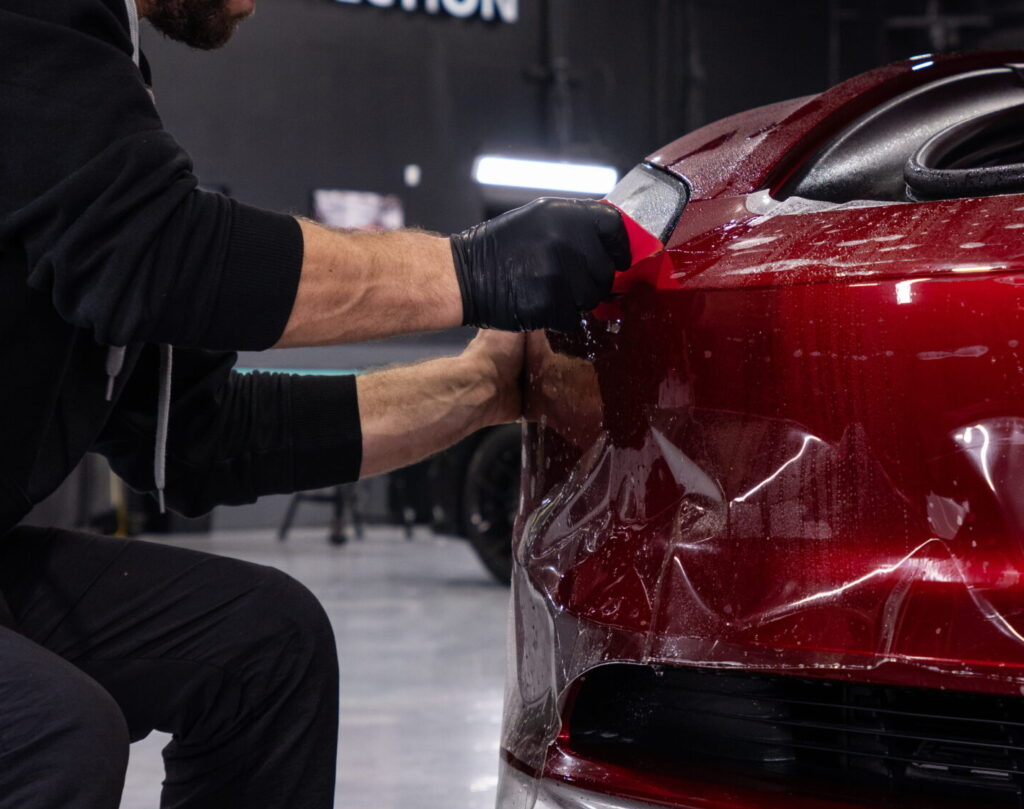
The ceramic coating installation team starts with detailed exterior preparation before any coating application. They apply protective coatings to seats, carpets, dashboards, and displays to maximize protection.
What to expect during a professional application
Each professional coating begins with a detailed inspection and preparation phase. The experts start by deep cleaning and decontaminating your vehicle to remove dirt, tar, and iron particles. Paint correction follows to fix swirls, scratches, or oxidation, this step is vital since the coating seals in any existing imperfections.
The coating application takes place in a controlled space to ensure optimal bonding. The team works section by section, often applying multiple layers to increase durability and scratch resistance.
Your vehicle needs 24-48 hours minimum curing time after application. Some facilities use infrared curing lamps to enhance the bonding process. Quality professionals run complete checks before returning your vehicle to confirm proper coating bonding without streaks.
Conclusion
Ceramic coating represents a breakthrough in vehicle protection technology. Science backs this coating’s ability to create a shield that outperforms traditional waxes. The molecular bonding process reshapes the scene by making your car’s exterior more resistant to environmental damage and adds that eye-catching gloss car lovers desire.
The investment in ceramic coating makes sense for most car owners. The original cost might look high compared to wax or sealants, but its long-term benefits become evident through durability and lower maintenance needs. Coated vehicles stay cleaner longer, need fewer washes, and keep their showroom shine for years rather than months.
Reality checks matter here. Ceramic coating won’t turn your car into an impenetrable fortress or eliminate maintenance completely. Regular washing and occasional checks help maximize its lifespan. Picture it as a high-tech raincoat – excellent protection that needs proper care.
Professional application or DIY projects both need meticulous preparation. Rushed prep work leads to certain disappointment, while patience rewards you with years of protection.
The next time you notice a car with that deep, mirror-like finish shedding water like magic, you’ll understand the science behind it – ceramic coating’s wonder at work. Car enthusiasts who want the best protection available know ceramic coating stands as the gold standard of paint protection.